Few moments capture a dog’s pure happiness quite like a sunny outdoor walk with their favorite human. But what makes these simple explorations so profoundly meaningful? Rooted in their evolutionary history, dogs thrive on the sensory richness of nature—from the scent trails to the sights of wildlife—connecting them to their primal instincts. Today’s understanding emphasizes that walks are not just physical exercise but essential mental health boosters, reducing anxiety and boosting confidence. How can mindful routes, positive reinforcement, and safety measures transform routine outings into memorable adventures? By approaching each walk as an opportunity for discovery and bonding, owners deepen trust and happiness in their pets. Recognizing the profound impact of these shared moments reveals that outdoor walks are more than chores—they are vital, joyful rituals that nurture a dog’s spirit and strengthen the bond that makes life with a pet so rewarding.
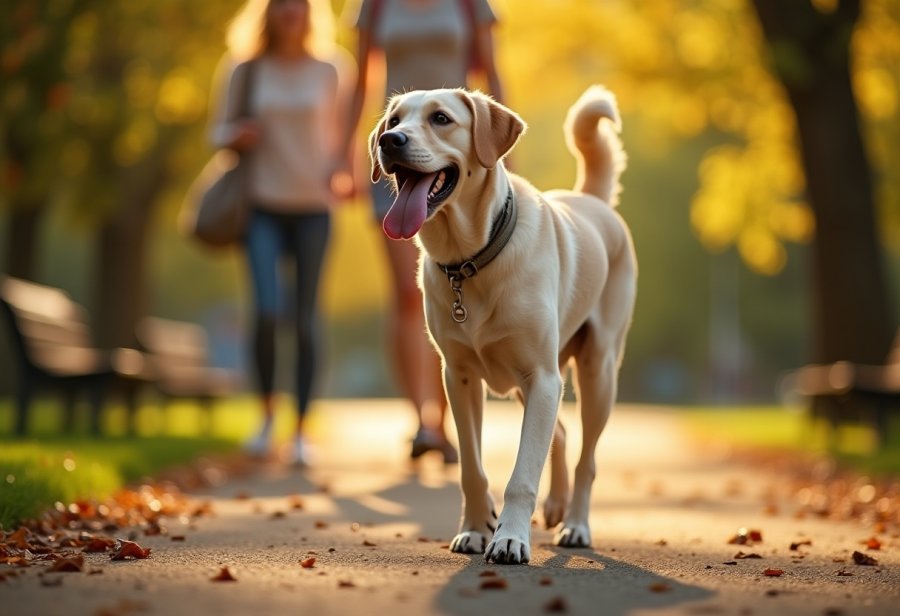
Unleashing Pure Joy: The Significance of Outdoor Walks for Dogs
Few moments in a dog’s day bring as much pure joy as heading outside for a walk with their favorite human. It’s more than just a routine—these outings are moments of genuine happiness where dogs can fully be themselves, exploring the world with curiosity and enthusiasm. Whether it’s a stroll through a quiet park or a walk along a familiar trail, these experiences feed their natural instincts and ignite their sense of adventure.
Outdoor walks connect dogs to their roots. Their history as explorers and hunters remains alive in their love for sniffing, investigating, and roaming freely. These behaviors are wired into their biology, thanks to highly developed senses of smell and sharp eyesight. Even in our modern world, dogs find joy in the sights, sounds, and scents of nature, turning every walk into a sensory-rich adventure that keeps their minds alert and engaged.
Beyond physical exercise, these outings serve as vital outlets for mental and emotional health. Dogs that spend time exploring nature tend to be calmer at home, less anxious, and more confident. The act of discovering new environments, scents, and sounds helps reduce boredom and frustration, channeling their energy into positive experiences. It’s not just about movement—it’s about fulfilling their innate desire to explore and connect with the world around them.
Sharing outdoor walks also deepens the bond between dog and owner. These moments of mutual discovery and trust create a relaxed space where communication flows naturally. As dogs sniff, explore, and observe, they look to their owners for reassurance and guidance, reinforcing the sense of safety and companionship. Each walk becomes more than a routine; it’s a chance to build trust, share joy, and create lasting memories.
Recognizing how essential these walks are to a dog’s happiness encourages us to approach them with care and mindfulness. When we make each outing meaningful—choosing engaging routes, paying attention to our dog’s cues, and savoring the experience—we turn a simple walk into a treasured part of daily life. It’s in these shared moments outdoors that dogs find their joy and owners find their connection, making life together richer and more fulfilling.
Roots of Adventure: How History and Biology Shape Canine Outdoor Love
Dogs have a deep-rooted history of thriving outdoors, a connection that continues to shape their love for outdoor activities today. Thousands of years ago, early domesticated dogs retained many of their wild instincts—sniffing, exploring, and seeking out new stimuli. These behaviors are wired into their biology, supported by their highly developed senses of smell and sharp eyesight. Even in modern environments, dogs naturally find joy in the variety of sights, sounds, and scents that nature offers, making outdoor spaces a natural playground for their curiosity.
The breeds we recognize today were shaped by specific needs in their evolutionary past. For instance, retrievers and spaniels were bred to enjoy water and retrieve game, which makes them naturally drawn to lakeshores and fields. Similarly, shepherd breeds were developed to work across open landscapes, instilling an innate desire to explore and herd. These traits aren’t accidental—they’re embedded in their genetics, reinforcing their enthusiasm for outdoor adventures and exploration.
The process of domestication has had a significant influence on how dogs relate to outdoor spaces. Over generations, humans selectively bred dogs for various outdoor tasks like hunting, guarding, and herding. This selective breeding strengthened their natural instincts to roam, investigate, and work in open environments. As a result, many dogs possess an inborn love for exploring new scents and sights, which makes outdoor walks especially satisfying on a biological level.
Physical characteristics further support this enjoyment. Dogs’ noses are incredibly sensitive, capable of detecting scents far beyond human perception. This heightened sense of smell turns outdoor walks into sensory-rich experiences, engaging their most developed tools for discovery. Their eyesight, tuned to movement and detail, helps them spot birds, squirrels, or other animals, adding excitement to their outdoor adventures. These sensory abilities transform nature into a dynamic, engaging playground that taps into their evolutionary instincts.
Looking at how dogs evolved alongside humans reveals that their love for outdoor exploration has been passed down through centuries. Early domestication meant a transition from wild hunters to loyal companions, yet they retained their natural instincts to explore and hunt. Over time, breeds were developed specifically for outdoor tasks, further reinforcing their affinity for open spaces. This history explains why many dogs today eagerly seek out walks and outdoor adventures—they’re following a genetic blueprint that encourages curiosity and exploration.
Understanding this biological and historical foundation helps us appreciate why outdoor walks are so vital for dogs. They’re not just physical exercise; they’re a way for dogs to reconnect with their instincts, engage their senses, and experience the world as their ancestors once did. Recognizing these roots makes it clear that outdoor activities are essential for a dog’s happiness and well-being, feeding both their body and their spirit in ways that only nature can provide.

Modern Insights: The Scientific and Cultural Benefits of Nature Walks for Dogs
In recent years, attitudes toward outdoor walks for dogs have shifted significantly, thanks to a growing understanding of canine behavior and the wealth of scientific research backing their importance. Today, many veterinarians and animal behaviorists emphasize that walks are about more than just physical activity—they’re essential for a dog’s mental and emotional well-being. Studies consistently show that dogs who get regular outdoor time tend to experience lower stress levels, less anxiety, and greater confidence. These findings highlight that walks aren’t just a routine chore; they’re a vital part of caring for a fulfilled, balanced pet.
Owners are increasingly aware that outdoor exploration stimulates a dog’s mind just as much as it exercises their body. The variety of sights, sounds, and scents encountered during walks keeps a dog’s brain active and engaged, helping to prevent boredom and destructive behaviors at home. For many dogs, a walk becomes a sensory adventure—an opportunity to process new information and satisfy their natural curiosity. When dogs are mentally stimulated, they often behave more calmly and exhibit greater confidence, making these outings beneficial not only for their happiness but also for the harmony at home.
Social media and popular culture have played a role in shaping current perspectives, with countless stories and images celebrating outdoor adventures. Wagging tails, eager noses, and scenic nature shots reinforce the idea that walks are more than routines—they’re moments of joy, discovery, and connection. This cultural shift encourages owners to view outdoor time as an opportunity to nurture their dog’s well-being and strengthen their bond, transforming what once might have been seen as a simple obligation into an eagerly anticipated part of daily life.
Safety concerns remain relevant, especially in urban environments or busy areas where encounters with other animals, traffic, or hazards are common. Some owners worry about accidents or conflicts, which can lead to shorter or more controlled outings. Finding a balance between freedom and safety—such as choosing appropriate routes, using proper gear, and maintaining vigilance—is key. Approaching outdoor walks with mindfulness ensures dogs can enjoy their adventures while staying protected, making the experience positive and secure for everyone involved.
Overall, the scientific and cultural insights of today confirm that outdoor walks are more than just physical exercise—they’re a cornerstone of a dog’s mental health and happiness. Recognizing their profound impact encourages us to approach each walk with intention, making them opportunities for joy, curiosity, and trust. When we prioritize meaningful outdoor experiences, we not only support our dog’s well-being but also deepen the bond that makes life with a dog so rewarding.
Practical Guide: Maximizing Happiness and Health in Every Outdoor Stroll
To make outdoor walks truly enjoyable for your dog, start by choosing routes that match their energy level and curiosity. Parks, quiet trails, and open spaces where they can roam freely and explore without too many distractions work best. Using a well-fitting harness and a sturdy leash ensures safety, especially in unfamiliar or busier areas. If your dog tends to pull or get overly excited, practicing commands like “heel” or “sit” can help manage their behavior and make walks smoother for both of you. Consistent training not only improves control but also makes outings more relaxing and fun.
Adding variety to your routes keeps your dog mentally stimulated and prevents boredom. Switch between parks, nature trails, or urban environments to expose them to new sights, sounds, and smells. This variety boosts their confidence and satisfies their natural curiosity. Watch their body language; if they seem tired or overwhelmed, take a break or shorten the walk. Turning walks into relaxed, positive experiences encourages your dog to look forward to each outing.
Bringing treats, toys, or a water bottle along can make walks more engaging. Reward good behavior with a tasty treat or a favorite squeaky toy, reinforcing positive habits. Always carry enough water, especially on warm days, to keep your dog hydrated and prevent overheating. These small touches transform simple walks into mini adventures, deepening trust and enthusiasm. Incorporate brief games or scent work along the way to stimulate all their senses and make every outing a sensory exploration.
Observe your dog closely during walks. Notice signs of fatigue or discomfort and adjust accordingly. If they’re panting heavily or lagging behind, it’s time for a rest or to head home. Respect their limits and avoid pushing them beyond their comfort zone. Ensuring they feel safe and relaxed turns walks into a positive experience rather than a chore. This mindful approach helps your dog associate outdoor time with fun and safety.
Weather conditions also matter. Avoid walking in extreme heat or cold, and be prepared for sudden changes in weather. Use reflective gear or portable bowls to ensure safety and comfort. Planning ahead and being attentive to your dog’s needs makes outdoor walks more enjoyable and less stressful. When you approach each outing with care and intention, you turn routine walks into meaningful moments of connection.
Finally, embrace the opportunity to explore new routes and environments regularly. Fresh scenery and new smells keep your dog’s interest high and help develop their confidence. Making walks a shared adventure rather than a routine chore fosters a sense of discovery and mutual enjoyment. Your attentiveness and effort turn outdoor outings into memorable experiences that build trust, happiness, and a stronger bond.
By focusing on thoughtful planning, positive reinforcement, and responsiveness, you can transform everyday walks into enriching experiences. These moments of exploration and connection not only benefit your dog’s physical health but also nurture their emotional well-being. When walks are approached with genuine care and curiosity, they become cherished routines that deepen your relationship and enhance your dog’s overall happiness.
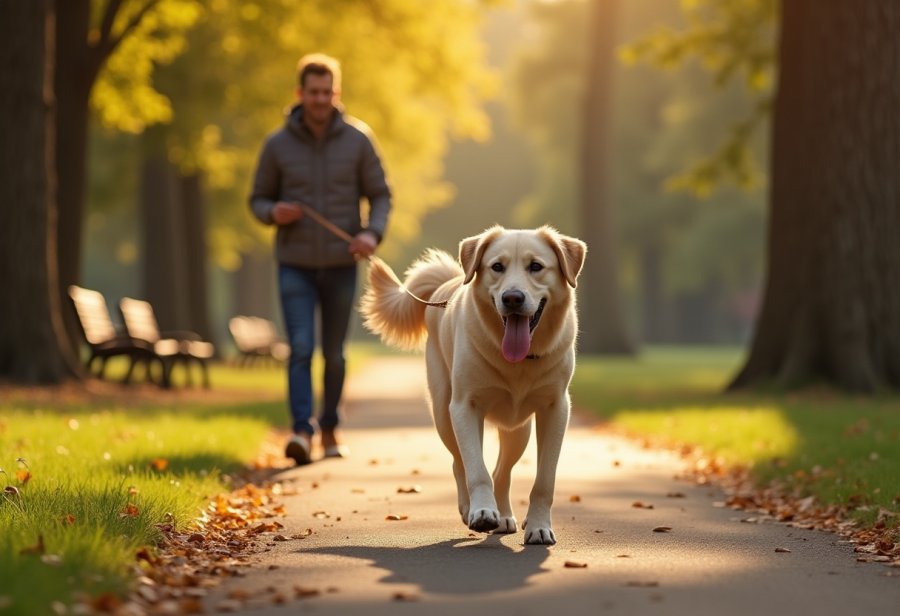
Cherished Connections: Embracing Outdoor Walks as a Foundation of Canine Happiness and Bonding
Outdoor walks are more than just a daily routine for dogs—they are a fundamental source of happiness, trust, and connection between pets and their owners. These moments of exploration, sniffing, and shared discovery tap into a dog’s natural instincts and help fulfill their emotional and mental needs. When dogs are given regular outdoor time, they tend to become more confident, relaxed, and joyful, enriching their lives in ways that go far beyond physical exercise.
The impact of these walks goes deep. They serve as a vital outlet for mental stimulation, helping to reduce stress and anxiety while fostering a sense of security. The variety of sights, sounds, and scents in nature keeps a dog’s mind engaged, preventing boredom and destructive behaviors. When dogs experience this richness, their behavior at home often becomes calmer and more balanced, making daily life smoother for everyone.
Approaching outdoor walks with intention transforms them from chores into opportunities for growth and bonding. Exploring new routes, parks, or trails keeps things fresh and exciting, encouraging curiosity and confidence. Paying attention to your dog’s cues and respecting their limits ensures that each outing is a positive experience. When dogs feel safe and respected during these adventures, they look forward to them as highlights of their day.
Incorporating simple elements like treats, toys, or scent games can turn routine walks into mini adventures. These small touches deepen trust and enthusiasm, making each outing a chance for your dog to learn and explore. By engaging all their senses and encouraging curiosity, you nurture their natural instincts while strengthening your bond.
Being mindful of weather conditions and safety needs adds another layer of care. Proper gear, hydration, and avoiding extreme temperatures mean your dog can enjoy outdoor exploration without discomfort or risk. When you prioritize their well-being and comfort, outdoor walks become truly joyful experiences rather than obligations.
Every shared moment outdoors builds trust and mutual understanding. These routines help your dog feel secure and appreciated, reinforcing the emotional bond that makes life together so rewarding. The simple act of stepping outside becomes a powerful gesture of love and companionship.
In the end, outdoor walks are a vital part of a dog’s happiness and your relationship. By approaching them with curiosity, care, and attentiveness, you create meaningful memories and foster a sense of adventure that lasts a lifetime. Each walk becomes a celebration of life, discovery, and the unique bond you share—turning everyday routines into cherished moments of connection.