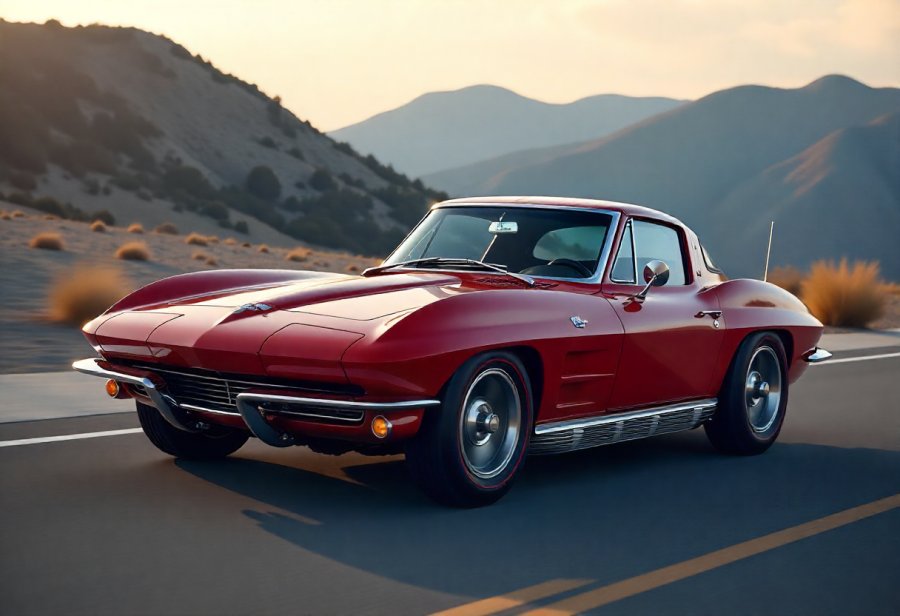
The Ford Mustang stands as an enduring symbol of American muscle, freedom, and rebellious spirit, captivating drivers across generations since its debut in 1964. Its iconic design—long hood, short rear deck, and racing accents—embody speed and power, blending timeless style with cutting-edge engineering. From its roots inspired by European sports cars to modern variants boasting over 450 horsepower and advanced performance tech, the Mustang continues to push boundaries while honoring its legacy. Its cultural impact—highlighted in movies like ‘Bullitt’ and iconic music—cements its status as a symbol of independence and adventure. As the automotive industry shifts toward electrification, Ford aims to preserve the Mustang’s rebellious soul through innovative hybrid and electric models, balancing tradition with sustainability. Will the mighty legend of the Mustang evolve enough to inspire future generations, or will its storied past overshadow the road ahead? One thing remains certain: the Mustang’s spirit will never fade.
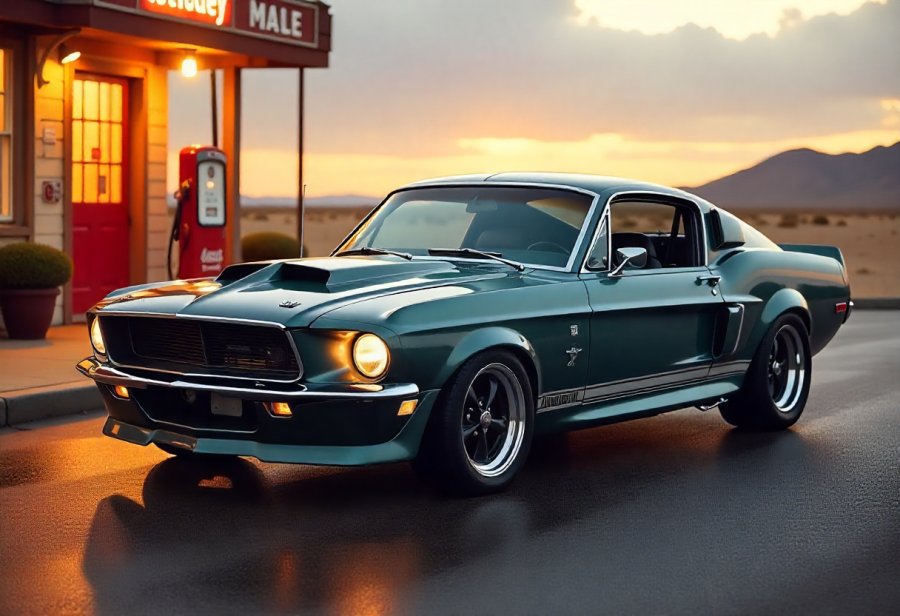
The Mustang’s Role as an American Cultural Icon and Its Enduring Spirit
The Ford Mustang is more than just a car; it’s a symbol woven into the fabric of American culture. Since its debut in 1964, it has represented freedom, individuality, and the pursuit of adventure—values that resonate deeply across generations. Its bold design and performance capabilities captured the imagination of drivers seeking excitement and a sense of rebellion. Over the years, the Mustang has come to embody the spirit of American ingenuity and resilience, making it an icon that transcends mere transportation.
From the moment it rolled off the assembly line, the Mustang set a new standard for what a muscle car could be. Its distinctive silhouette—long hood, short rear deck—immediately signaled speed and power. This eye-catching shape, combined with aggressive styling details like racing stripes and a signature pony grille, made it instantly recognizable. The Mustang’s design was crafted to evoke both elegance and raw performance, positioning it as a vehicle that could turn heads on any road.
More than just a striking look, the Mustang’s performance engineering has kept it at the forefront of automotive innovation. From its early days with V8 engines to today’s powerful 5.0-liter Coyote, it has always been about delivering thrill and control. Modern models incorporate advanced suspension systems, traction control, and driver-assist features that enhance both safety and driving excitement. This seamless blend of style and substance has helped the Mustang maintain its status as an enduring symbol of American muscle.
The cultural impact of the Mustang extends beyond the road. It has appeared in iconic films like “Bullitt,” where Steve McQueen’s legendary chase scene cemented its reputation as a car of action and rebellion. In music, it has served as a muse for countless artists celebrating independence and personal expression. These associations have elevated the Mustang from a vehicle to a cultural icon—one that represents freedom, adventure, and the American dream.
Today, the Mustang continues to inspire new generations. Its legacy is built on a foundation of innovation, style, and a rebellious spirit that refuses to fade. As it evolves with electric and hybrid technology, it stays true to its roots while embracing the future. The Mustang’s story is a testament to the enduring power of design and performance—an icon that will keep inspiring drivers and dreamers for years to come.
From Concept to Icon: The Origins and Milestones of the Mustang
The story of the Ford Mustang begins in the early 1960s, a time when automakers were eager to capture the attention of younger drivers with fresh, exciting designs. Ford saw an opportunity to create a stylish, affordable muscle car that would stand out in a crowded market. Drawing inspiration from European sports cars and the rising popularity of pony cars, designers aimed to blend sporty aesthetics with practicality, making performance accessible to a wider audience. The goal was clear: produce a vehicle that offered thrill, style, and independence without a hefty price tag.
When the Mustang debuted in April 1964, it made an immediate splash. Its design broke away from conventional cars of the era—long, sculpted hood, short rear deck, and a bold stance that instantly conveyed speed and agility. Ford’s marketing emphasized themes of freedom and adventure, positioning the Mustang as a car for the daring and young at heart. Its striking appearance and promising performance set new standards, creating a new segment of affordable, sporty cars known as pony cars. Its popularity skyrocketed, transforming it into a cultural phenomenon practically overnight.
Over the decades, the Mustang evolved through key milestones that helped cement its legendary status. The second-generation model arrived in 1969 with sharper styling, a broader stance, and more powerful engine options, including the iconic Boss and Mach 1 editions aimed at muscle car enthusiasts. Despite challenges in the 1970s—such as stricter safety and emissions regulations—the Mustang adapted through design tweaks and technological updates, maintaining its relevance in a changing industry landscape.
In the 1980s and 1990s, Ford modernized the Mustang with improved handling, better fuel efficiency, and refreshed styling that kept pace with consumer demands. The 2005 redesign drew heavily on the original’s fastback silhouette, reigniting enthusiasm among longtime fans and newcomers alike. Special editions like the Shelby GT350 and GT500 elevated the performance reputation, making the Mustang a sought-after collector’s item. Throughout this evolution, Ford balanced innovation with tradition, ensuring the Mustang remained both contemporary and true to its roots.
Behind its lasting success was Ford’s focus on broad appeal. The company aimed to craft a vehicle accessible for first-time buyers while satisfying seasoned enthusiasts craving high performance. Its development process was driven by a desire to combine power, style, and affordability—traits that helped the Mustang carve out a unique and enduring niche in American automotive culture. Every update and redesign kept the spirit of the original alive, allowing the Mustang to adapt without losing its core identity.
Today, the Mustang stands as a symbol of resilience and American ingenuity. Its milestones reflect a legacy of innovation, style, and a rebellious spirit that continues to inspire. From its daring debut to its modern electric variants, it proves that a muscle car can evolve without losing its soul. The Mustang’s enduring appeal lies in its ability to blend tradition with modern technology, ensuring it remains a powerful icon for generations to come.
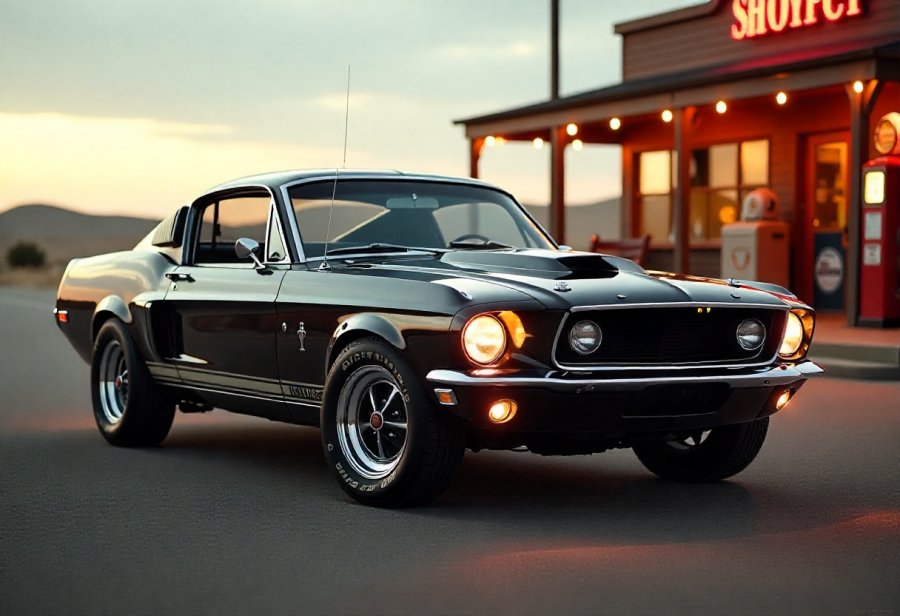
Design Details and Engineering Excellence Power the Mustang’s Distinctive Look and Performance
The design of the Ford Mustang is instantly recognizable, built on a foundation of iconic details that have helped cement its lasting appeal. Its muscular silhouette features a long, sculpted hood paired with a short rear deck, creating a balanced look that exudes speed even when stationary. The signature pony grille at the front isn’t just a styling cue—it’s a symbol of power and agility, directly linking the car to its heritage. Sleek side scoops, racing stripes, and aggressive lines emphasize its performance origins, giving the Mustang an aesthetic that is both timeless and dynamic.
Beneath this striking exterior lies engineering prowess that truly sets the Mustang apart. From its earliest days, engineers offered a variety of engine options, starting with efficient inline-sixes and progressing to legendary V8s that built its reputation as a muscle car icon. Today’s models continue this legacy with powerful engines like the 5.0-liter Coyote V8, capable of exceeding 450 horsepower. This blend of raw power and precise engineering ensures exhilarating acceleration and substantial torque, making every drive an adrenaline rush whether on a highway or a winding road.
Modern performance features further enhance the Mustang’s capabilities. Advanced suspension systems, such as adaptive dampers and performance-tuned shocks, provide exceptional handling and stability at high speeds. Technologies like launch control, electronic stability management, and traction control give drivers the tools to maximize grip and control, transforming power into a smooth, confident ride. Safety and driver-assist features are integrated seamlessly, ensuring that performance isn’t sacrificed for everyday usability, making the Mustang accessible yet thrilling.
Design cues inspired by its heritage continue to influence contemporary styling. Its fastback shape reduces air resistance, while wide wheel arches accommodate larger tires that improve grip and handling. Racing-inspired details like hood vents, rear diffusers, and racing stripes evoke a sense of motion, even when the car is still. These elements aren’t just aesthetic—they’re engineered to optimize aerodynamics and performance, reinforcing the Mustang’s identity as a true American muscle icon.
Throughout its history, the Mustang has set high standards for American muscle cars, blending bold styling with engineering innovation. Special editions like Shelby variants have pushed performance boundaries, while modern models incorporate cutting-edge technology to meet today’s demands. Every detail, from the design to the drivetrain, reflects a commitment to power, style, and precision. The Mustang’s ability to evolve without losing its core identity ensures it remains a symbol of American ingenuity and passion for generations to come.
Mustang in the Spotlight: Its Impact on Culture and Modern Automotive Trends
The Ford Mustang’s influence extends far beyond the showroom, deeply embedding itself into the fabric of popular culture. Its appearances in iconic movies like “Bullitt,” where Steve McQueen’s legendary chase scene behind the wheel of a Mustang GT captured the spirit of daring and adventure, helped cement its status as a symbol of action and rebellion. These moments didn’t just showcase the car’s speed—they encapsulated the sense of freedom and individualism that the Mustang has come to represent for generations of enthusiasts.
In the world of music, the Mustang has served as a muse for countless artists celebrating independence and personal expression. Songs about open roads, youthful rebellion, and chasing dreams often feature the car as a central motif. Album covers and music videos frequently depict Mustangs conquering highways or parked under neon lights, reinforcing its image as a symbol of aspiration and individuality. These cultural associations have elevated the Mustang from a mere vehicle to a powerful icon of Americana, embodying the pursuit of freedom and the thrill of the open road.
Design elements from the Mustang, such as its distinctive grille, fastback silhouette, and racing stripes, continue to influence modern automotive styling. Many contemporary performance cars borrow cues from its aggressive stance and sleek lines, blending heritage with innovation. This enduring design language keeps the Mustang relevant in a rapidly evolving industry, ensuring that its aesthetic appeal remains timeless even as new models incorporate cutting-edge technology. Its visual identity remains instantly recognizable, connecting past and present seamlessly.
Despite the industry’s shift toward electrification and sustainability, the Mustang remains a cultural touchstone by evolving with the times. Ford’s introduction of hybrid and electric variants aims to deliver the same thrill and performance while addressing modern environmental concerns. These advancements help attract a new generation of drivers who seek excitement without compromising their eco-conscious values. The ability to adapt without losing its rebellious spirit ensures the Mustang stays relevant and inspiring across different eras.
Enthusiast communities and social media play a vital role in preserving the Mustang’s legacy. Platforms like Mustang6G and dedicated clubs foster a shared passion among owners, restorers, and collectors. These groups exchange stories, share technical insights, and showcase their vehicles, creating a vibrant culture that keeps the car’s spirit alive. This collective enthusiasm helps sustain interest and cements the Mustang’s position as a symbol of freedom, innovation, and American resilience, ensuring its influence endures well into the future.
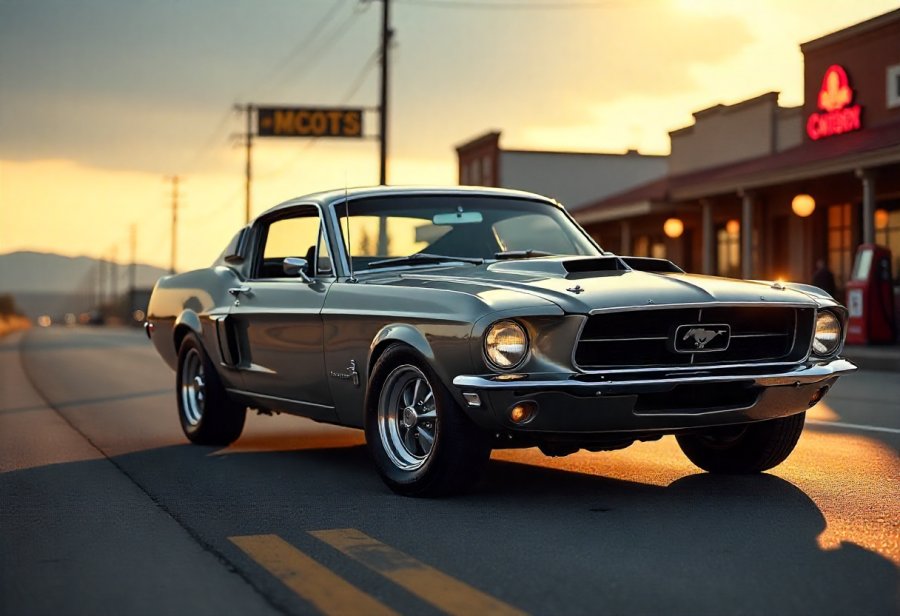
Charting the Future: How the Mustang Will Evolve in a Changing Automotive World
The future of the Ford Mustang unfolds in a landscape driven by rapid technological advancements and evolving industry standards. Its legacy as a symbol of American muscle and freedom is well cemented, but maintaining its relevance depends on Ford’s ability to innovate while honoring the core spirit that made it legendary. The company’s push toward hybrid and electric powertrains signals a commitment to blending performance with sustainability, ensuring the Mustang continues to deliver the adrenaline and independence enthusiasts cherish, without compromising environmental goals.
Design will play a pivotal role in preserving the Mustang’s iconic status. Ford aims to retain the classic silhouette that fans adore, while integrating aerodynamic improvements and modern styling cues. This delicate balance between honoring tradition and embracing innovation allows the car to stay visually fresh and competitive. A design that respects its heritage yet feels contemporary will be crucial in attracting new drivers while keeping loyal enthusiasts engaged, ensuring the Mustang remains both timeless and relevant.
In a competitive market filled with high-performance and electric sports cars, Ford must emphasize what makes the Mustang unique—its rich history, emotional appeal, and rebellious spirit. Highlighting these qualities in marketing and product development will be essential to stand out. As new models incorporate advanced technology, the challenge is to translate this innovation into an experience that captures the heart of drivers, reinforcing the Mustang’s identity as an icon of freedom and speed amid a sea of modern alternatives.
Regulatory pressures worldwide, especially around emissions and sustainability, make electrification not just a trend but a necessity. Ford’s investment in hybrid and fully electric variants aims to redefine what a muscle car can be in the 21st century. These shifts will set new standards for performance and efficiency, allowing the Mustang to evolve without losing its essence. The challenge lies in balancing technological progress with the visceral driving experience that has defined the model for decades.
Despite these changes, the Mustang’s core remains intact: it’s about the pursuit of freedom, power, and personal expression. As it continues to adapt and innovate, its story will be one of resilience and inspiration. By blending its storied past with a forward-looking vision, the Mustang will keep igniting dreams on open roads and in the hearts of enthusiasts around the world. Its legacy is far from finished; it will remain a symbol of American ingenuity, passion, and the unbreakable spirit of adventure for generations to come.