What if the greatest obstacle to learning to swim isn’t the water itself, but the fear of taking that first courageous step? This inspiring guide dismantles the misconception that swimming is only for the young or athletic, revealing that anyone—regardless of age—can master the skill through patience and persistence. As readers explore foundational techniques like floating, breathing, and gradual immersion, they discover that building confidence is a gentle, rewarding process. The journey from anxiety to empowerment isn’t just about strokes; it’s about transforming mental barriers into resilience and curiosity. With each small victory, water becomes a space of safety and freedom, opening doors to lifelong enjoyment and new adventures. Are you ready to turn fear into confidence and unlock the life-changing benefits of swimming at any age? This is more than a guide—it’s an invitation to redefine what’s possible.
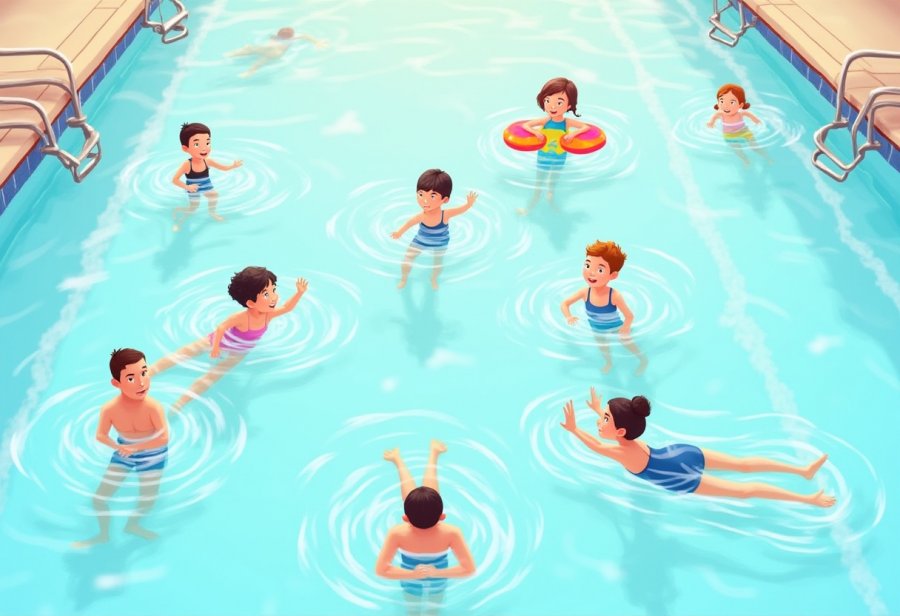
Transform Your Water Relationship at Any Age: Overcoming Fears and Embracing Confidence
Learning to swim isn’t just a childhood milestone—it’s a skill that can truly change how you relate to water at any age. Many adults hesitate, thinking it’s too late or too difficult, but the truth is quite different. Starting your swimming journey as an adult can boost your confidence, enhance safety, and open doors to new experiences for fun and relaxation. That first splash might feel intimidating, but it’s often the most rewarding step in a process that’s about more than just strokes; it’s about reclaiming control over your fears.
A common misconception is that water confidence is something you’re born with or that only athletic bodies can master. In reality, water skills develop through patience and consistent practice, no matter your age or body type. Beginning in a shallow, familiar environment helps ease anxiety and makes it easier to focus on small, manageable steps. Simple actions like dipping your toes or floating with support gradually build trust and comfort, transforming the water from an enemy into a space for growth.
Learning to swim can be surprisingly empowering. Each time you float a little longer or swim a few strokes independently, you reinforce your ability to overcome mental barriers. These moments aren’t just technical achievements—they shift your mindset from fear to curiosity. As water becomes less intimidating, you open yourself to new possibilities, not just in the pool but in other areas of life that require confidence and resilience.
Overcoming water fears involves changing how you see the water itself. Instead of viewing it as a threat, try to see it as a safe environment for learning and enjoyment. Focusing on positive sensations like the feeling of weightlessness or the calming rhythm of your breath helps replace anxiety with curiosity. Mindfulness techniques, such as slow, deep breaths, keep you grounded and prevent panic, making each step forward feel more natural and less daunting.
Remember, it’s never too late to start. Whether you’re just dipping your toes in or taking your first independent strokes, every small effort counts. Patience and consistency turn initial apprehension into confidence, transforming water from a source of fear into a space of freedom. Embarking on this journey is about more than mastering swimming—it’s about discovering your resilience and opening yourself to new adventures at any age.
Building a Strong Foundation: Safety, Mindset, and Simple Techniques for Swimming Success
Starting your journey to learn how to swim involves establishing a solid foundation rooted in safety, patience, and the right mindset. Choosing a beginner-friendly environment—preferably a shallow pool with clear water and trained lifeguards—creates a sense of security and helps you focus on small, achievable steps. Being in a familiar, controlled space reduces anxiety and makes it easier to progress gradually without feeling overwhelmed. Using simple floatation devices like floaties or a kickboard can provide additional reassurance, supporting your efforts and boosting confidence as you explore the water.
Developing a positive mindset is just as crucial as practicing physical skills. Approach each session with kindness toward yourself, understanding that progress takes time and persistence. Setting tiny goals—such as dipping your toes or floating with support—helps build trust in your body and reduces feelings of fear. Celebrating these small victories reinforces your sense of achievement, encouraging you to keep moving forward. Staying relaxed and confident allows your body to absorb new techniques more naturally, making the learning process more enjoyable.
Familiarity with basic water safety concepts can greatly enhance your learning experience. Understanding terms like buoyancy—the ability to float—and how controlled breathing helps maintain calmness empowers you to communicate and learn more effectively. Practicing simple exercises like slow, deep breaths or supported floating fosters a sense of control and safety. These foundational skills set the stage for more advanced techniques and help you feel more secure in the water, transforming initial apprehension into confidence.
Building confidence starts with gentle, consistent exposure. Spend time sitting at the pool’s edge, splashing water on your face, or floating supported by a floatie. These small steps help your body acclimate to water’s sensations and establish trust. Repeating these exercises regularly diminishes anxiety and makes each visit more comfortable. Remember, progress isn’t about perfection but about feeling safe and supported as you gradually expand your skills. Consistency and patience are your best allies on this journey.
Incorporating breathing exercises into your routine can make a significant difference. Deep, slow inhales and controlled exhales help you stay calm and centered, especially when trying new skills. Practicing this breathing technique regularly creates a mental and physical feedback loop—making floating and movement feel more natural and less intimidating. Patience remains key; even small, repeated efforts build toward greater comfort and proficiency. With time, these foundational practices will turn water from a source of fear into a space of confidence, safety, and potential.
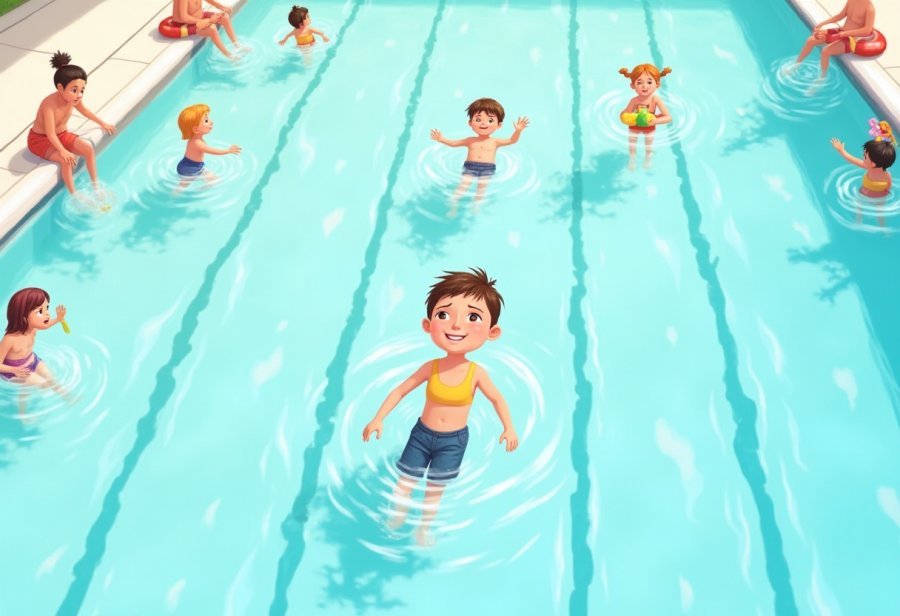
Conquer Water Anxiety: Mindset Shifts and Practical Confidence-Boosting Strategies
Overcoming water fear starts with changing how you see the water itself. Instead of viewing it as a threat or a source of anxiety, try to see water as a space for growth, relaxation, and even fun. Shifting this mindset helps you approach swimming with curiosity rather than dread. Pay attention to the positive sensations—like the lightness of weightlessness or the soothing rhythm of your breath—that can replace fear with interest. Mindfulness techniques, such as slow, deep breaths and focused awareness of how your body responds, keep you grounded and prevent panic from taking hold.
Building confidence in the water often begins with small, manageable steps. Sitting at the pool’s edge, dipping your toes in, or floating with support are gentle ways to build trust. Each success, no matter how tiny, reinforces your ability to stay calm and in control. As you become more comfortable, practicing breathing exercises and supported floating helps establish a sense of security. These foundational skills create a feeling of mastery, making it easier to progress to more advanced techniques later on. Remember, patience is essential—every small victory is a building block toward confidence.
Another key is normalizing the experience. Recognize that everyone, even experienced swimmers, faces moments of hesitation. Watching others who started nervous can be reassuring. Working with a patient instructor or understanding friend who encourages rather than pushes makes a big difference. When setbacks happen—which they often do—view them as part of the process. Each stumble offers a chance to learn and grow stronger. Embracing these challenges without judgment helps reinforce resilience and keeps motivation alive.
Positive affirmations are surprisingly powerful. Repeating phrases like “I am safe,” “I can do this,” or “Water is my friend” gradually rewires your thoughts. Over time, these statements become part of your internal dialogue, reducing anxiety and boosting confidence. Pairing mental reinforcement with gradual physical exposure creates a feedback loop—each success in the water reinforces your belief in your abilities. The combination of these mental and physical strategies helps break down fears and establishes a more positive relationship with water.
Progress varies for everyone, and that’s perfectly normal. Some see quick improvements, while others need more time. The important thing is to stay consistent and patient, celebrating each milestone along the way. Remember, water confidence isn’t fixed; it’s a skill you develop through persistence and gentle effort. As you face your fears gradually, water becomes less of an obstacle and more of a space for growth. With each step forward, you reshape your relationship with water—and yourself—proving that courage and persistence can turn fear into freedom.
Getting Started with Swimming: Essential Steps to Begin Your Water Journey
Starting your swimming journey involves taking small, deliberate steps that help build confidence and make the process manageable. Begin by choosing a safe, beginner-friendly environment—ideally a shallow pool with clear water and trained lifeguards nearby. Being in a familiar, controlled space reduces anxiety and allows you to focus on foundational actions without feeling overwhelmed. Supportive tools like floaties or a kickboard can offer reassurance, helping you feel more secure as you explore the water’s sensations.
Next, focus on acclimating to water gradually. Spend time sitting at the pool’s edge, dipping your toes in, or splashing water on your face. These simple actions help your body get used to water’s tactile feel and promote relaxation. Practice slow, deep breaths during these moments to calm nerves and foster positive associations with water. This gentle approach creates a solid mental and physical foundation, making each step forward feel natural and less intimidating.
Once comfortable, try supported floating—either holding onto the wall or using a floatie. Concentrate on relaxing your body and trusting that you can stay afloat. Floating is a critical skill that builds trust in your ability to be in water, and practicing it regularly will make more advanced techniques easier later on. Celebrate each successful float as a small victory, reinforcing your progress and encouraging further effort.
As confidence grows, work on gentle kicking exercises. Hold onto the pool’s edge or use a kickboard, moving your legs slowly and deliberately. These movements strengthen your muscles and improve coordination, all while reinforcing the idea that water isn’t something to fear. Keep the pace relaxed and controlled to prevent panic and ensure each practice session feels comfortable. Repeating these exercises consistently over time will steadily increase your comfort level and skill.
Incorporating breathing exercises is also essential. Focus on inhaling deeply through your nose and exhaling slowly through your mouth. Practicing controlled breathing helps you stay calm when you’re in the water and prepares you for more complex movements. The key is consistency—short, regular sessions of around 10 to 15 minutes several times a week are more effective than infrequent, lengthy visits. This routine helps your body memorize movements and gradually transform initial discomfort into confidence.
Remember, patience is your best ally. Progress might be slow at first, but every small effort counts. Celebrate each milestone, whether it’s dipping your toes, floating unaided, or moving a few strokes. Over time, these steps will turn water from a source of anxiety into a space of safety and enjoyment. With gentle persistence and a positive mindset, you’ll find that starting to learn to swim is not just achievable, but also rewarding—opening the door to a lifetime of confidence in and around water.
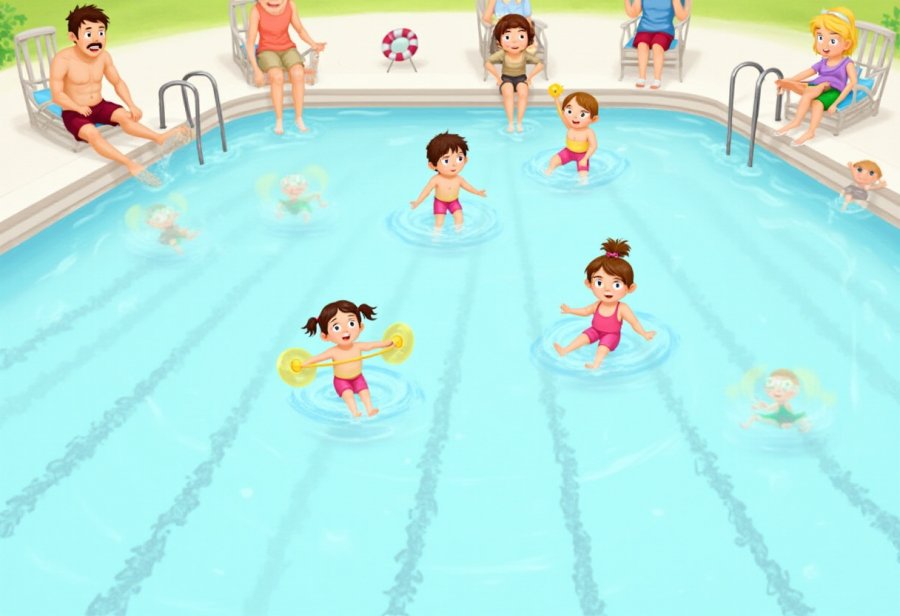
Lifelong Benefits of Learning to Swim: Reflection, Growth, and New Adventures
Learning to swim is about more than just acquiring a new skill; it’s a gateway to lifelong benefits that extend far beyond the pool. Overcoming water fears and gaining confidence in the water build resilience and patience—traits that serve you well in many areas of life. Every small victory, whether floating unaided or swimming your first laps, reinforces the idea that persistence pays off and that growth is possible at any age.
The confidence you develop in the water often spills over into daily challenges. Facing fears head-on in the pool cultivates courage, helping you tackle obstacles outside of swimming—whether speaking up at work, trying a new hobby, or managing stress. These lessons in perseverance and self-trust become valuable tools that empower you to approach life’s hurdles with a calmer, more confident mindset.
Learning to swim at any age reshapes perceptions of what’s possible. Many adults discover that their biggest breakthroughs happen when they stop doubting and start trusting themselves. It’s never too late to learn something new or conquer a long-held fear. With the support of dedicated instructors, friends, or community groups, this process becomes more motivating and enjoyable, turning initial apprehension into a sense of achievement.
As your water confidence grows, so does your capacity to explore new adventures. Swimming opens doors to outdoor recreation, travel, and social activities that might once have seemed out of reach. It also enhances safety—giving you peace of mind in water-related situations for yourself and loved ones. These skills can serve you for decades, transforming water from a source of anxiety into a space of freedom and joy.
This journey is uniquely personal. Some progress quickly, while others take their time, and both paths are perfectly normal. The key lies in consistency, patience, and celebrating each milestone along the way. Every effort, no matter how small, builds toward a broader sense of mastery and self-assurance. Over time, water becomes less of an obstacle and more of a place for growth, relaxation, and fun.
The process of learning to swim also fosters a mindset that values progress over perfection. It reminds us that setbacks are part of growth and that persistence is the true path to mastery. These lessons stay with us long after we leave the pool, encouraging ongoing learning and resilience in everyday life.
Ultimately, the ability to swim at any age proves that transformation is always within reach. The courage to take that first step might be the hardest, but it sets in motion a journey of empowerment, discovery, and lifelong benefits. Each moment spent in the water becomes a testament to the human capacity for change, showing that fear can become freedom with patience and persistence.