Mastering the art of walking calmly with your dog transforms daily outings into trusting, peaceful experiences. Beyond obedience, it fosters a deeper bond rooted in mutual respect, patience, and understanding. But how do you turn a routine walk into a moment of connection instead of chaos? This guide reveals proven techniques—like positive reinforcement, modern training tools, and consistent routines—that help your dog stay focused and relaxed amid distractions. It emphasizes gentle, reward-based methods over outdated dominance tactics, ensuring training is enjoyable and effective. Challenges such as leash reactivity or sudden environmental stressors are addressed with practical strategies, encouraging steady progress rather than frustration. Are you ready to unlock this tranquil, rewarding connection with your pet? The journey involves patience and perseverance, but the payoff—calmer walks, stronger trust, and shared joy—is worth every effort. Your dog’s confident, relaxed demeanor awaits, transforming everyday walks into cherished moments of companionship.
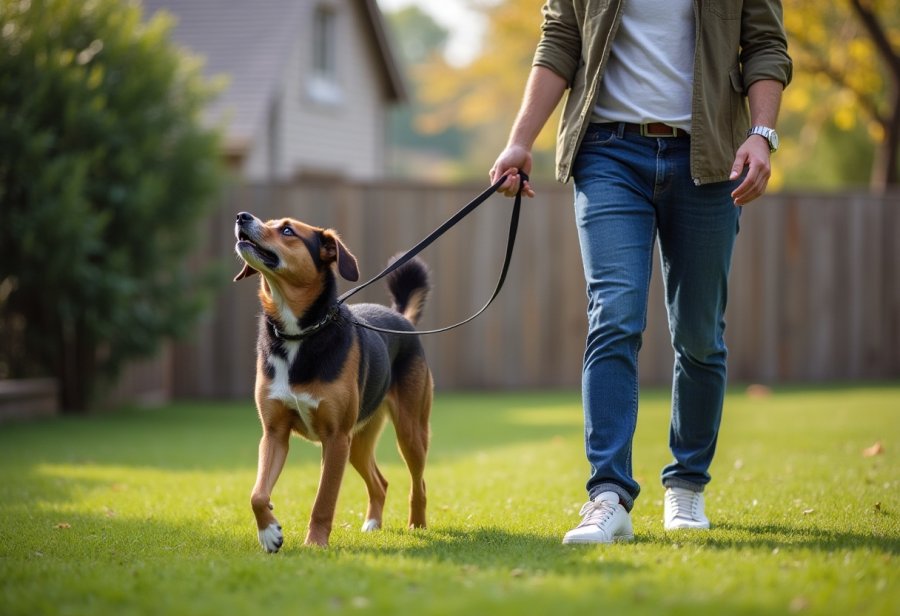
Transform Routine Walks into Bonds of Trust and Calmness
Mastering calm dog walking isn’t just about teaching your pet to follow commands—it’s about creating a deeper, more trusting relationship between you and your dog. When your dog learns to walk calmly by your side, each outing becomes a shared experience rooted in trust and understanding rather than frustration or stress. This skill sets the foundation for better communication, making it easier to guide your dog and respond to their needs, which naturally leads to a more harmonious bond.
A relaxed walk also offers benefits beyond simple manners. When dogs feel secure and confident during walks, they’re less likely to pull, lunge, or react to distractions. Instead, they learn to focus on you and stay calm in new environments, fostering mutual respect. Your dog sees you as a reliable leader who keeps them safe and comfortable, which strengthens their trust in you.
Investing time in calm leash training isn’t just about obedience; it’s about nurturing patience and understanding. When your dog knows what to expect and feels heard, they become more attentive and responsive. These peaceful walks become opportunities for growth and connection, turning routine outings into shared moments of success.
The benefits extend beyond individual walks. As your dog becomes more relaxed and focused, their overall behavior improves, and your relationship deepens. The more trust and patience you build, the more enjoyable and stress-free your outings will be. Over time, walking together will feel less like a chore and more like a bonding experience you both look forward to.
This journey of mastering calm dog walking pays off in countless ways. It transforms everyday routines into peaceful, shared adventures rooted in mutual respect. The stronger your bond becomes, the more your dog will see walks not as obligations but as cherished moments of connection. Patience and consistency are key, but the rewards—trust, calm, and companionship—are worth every effort.
Building a Foundation of Mutual Trust and Gentle Techniques
Calm dog walking isn’t just about training your dog to follow commands—it’s about establishing a foundation of trust and mutual understanding. When your dog walks calmly by your side, it signals confidence in your leadership and creates a sense of safety. This mutual trust transforms routine walks from stressful chores into shared moments of connection and respect.
Understanding key concepts like “heel,” “leash training,” and “positive reinforcement” is essential. Teaching your dog to walk close and focused on you, ignoring distractions, builds their confidence and attentiveness. Using rewards such as treats or praise creates a positive feedback loop that makes learning enjoyable and effective.
The shift from dominance-based methods to gentle, reward-focused techniques marks a significant evolution in dog training. Modern approaches emphasize patience, kindness, and consistency, supported by tools like clickers and harnesses that foster cooperation. These methods strengthen your bond and make leash walking a joyful experience rather than a battle of wills.
Building trust also involves recognizing common challenges early on. Signs of leash reactivity or distraction should be addressed with calm responses and gradual exposure. Desensitization helps your dog learn to remain relaxed amid various stimuli, reinforcing that walking calmly is a safe and rewarding activity.
Consistency in commands and routines provides clarity, helping your dog understand expectations and reducing confusion. Avoid harsh corrections—redirect with patience and praise instead. This approach nurtures confidence, turning walks into peaceful bonding moments rather than sources of frustration.
Respecting your dog’s pace and reactions is crucial. Some days will be smoother than others, but steady patience pays off. When setbacks occur, revisit the basics and reinforce calm behavior, always emphasizing positive reinforcement.
Ultimately, mastering these core concepts transforms walking from a mundane task into a meaningful, bonding experience. It’s about creating a partnership built on trust, patience, and mutual respect, laying the groundwork for calm, joyful outings that deepen your connection.
Embracing Modern Trends: Positive Reinforcement, Clicker Training, and Tech Tools
Modern dog training is shifting away from outdated dominance-based methods toward kinder, more cooperative techniques. Positive reinforcement now forms the backbone of effective training, rewarding calm, focused behavior with treats, praise, or play. This approach not only makes training sessions more enjoyable for your dog but also builds a foundation of trust, which is essential for calm leash walking and strengthening your bond.
Clicker training has gained popularity because of its clarity and precision. The clicker acts as a consistent marker, signaling exactly when your dog has done something right—like walking politely on a loose leash. This immediate feedback helps your dog understand expectations quickly, making it easier to develop relaxed, focused walks in less time.
Technology is also transforming dog training. Smart collars, training apps, and remote clickers enable more consistent reinforcement, even when you’re not directly with your dog. These tools track responses and allow for tailored routines, making training more engaging and effective. They also provide real-time insights that help you adjust your approach for better results.
Alongside equipment and tech, new methods emphasize creating a calm leash experience. Techniques like the relaxed leash approach encourage owners to loosen tension, allowing dogs to explore naturally without feeling restrained. This reduces stress for both of you and fosters a trusting, peaceful connection during walks.
Many trainers now incorporate trust-building exercises into daily routines. Simple attention games or calm cue training help your dog feel more secure, translating into better focus and calmness amid distractions. These modern trends make leash training smoother and turn everyday walks into bonding moments rooted in mutual respect and understanding.
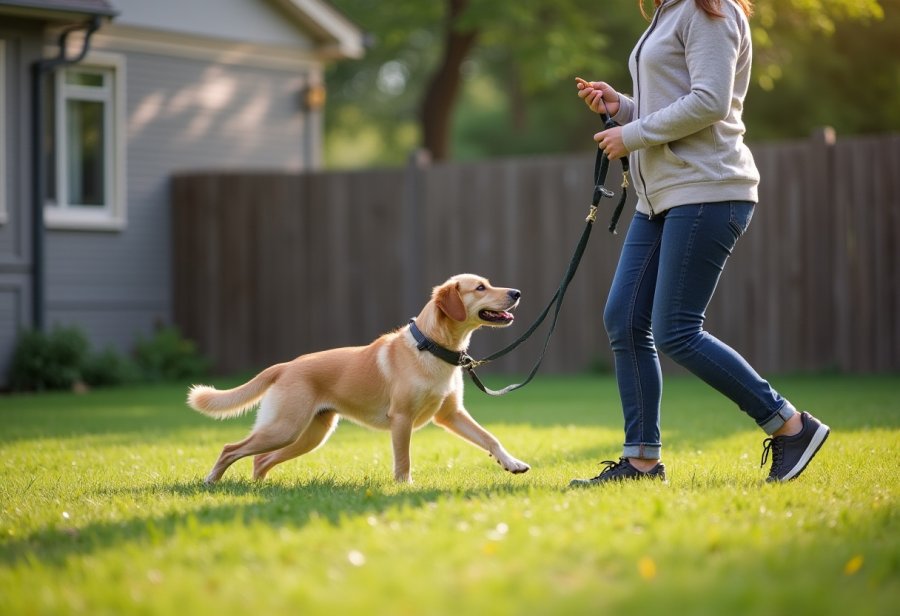
Practical Steps to Incorporate Calm Walking into Daily Life
To put calm walking into practice, start by establishing a consistent routine. Choose a specific time each day for walks, so your dog begins to anticipate and feel comfortable with the schedule. Begin with familiar, quiet routes to minimize distractions and help your dog focus on you. Use simple commands like “heel” or “walk,” and immediately reward your dog when they respond calmly. A well-fitting harness and sturdy leash make controlling your dog easier and more comfortable, creating a positive foundation for training.
Keep initial walks short—around 10 to 15 minutes—and focus on rewarding your dog for walking beside you without pulling or lunging. If your dog gets distracted or pulls ahead, gently redirect their attention with a cue or toy, then praise or treat once they refocus. As your dog gains confidence, gradually introduce more stimulating environments like parks or busier streets, always maintaining a calm and patient approach. Consistency and patience are key; rushing or punishing setbacks can cause anxiety and slow progress.
Stay attentive to your dog’s responses during walks. If they become overly excited or anxious, take a step back to a calmer setting and rebuild their confidence with smaller successes. Reward calm behaviors, like walking with a loose leash, to reinforce what you want. Remember, dogs mirror your energy—staying relaxed and confident encourages them to do the same, transforming walks into peaceful bonding moments.
Incorporate distraction training by gradually exposing your dog to mild stimuli, such as passing cars or other dogs. Reward calm reactions to these triggers to help your dog learn to stay focused and relaxed amid more stimulating environments. Over time, these exercises turn everyday walks into peaceful, shared experiences that strengthen your bond.
Consistency, patience, and positive reinforcement are the pillars of successful calm leash training. With steady effort, your dog will learn to remain focused and relaxed, making each walk a pleasant, bonding activity rather than a stressful chore. This approach creates a foundation for a lifelong partnership rooted in trust and mutual respect, turning routine outings into treasured moments of connection.
Budgeting for Training Equipment, Classes, and Resources
Training your dog to walk calmly beside you involves some initial investment, but understanding the costs helps you plan effectively. A good-fitting harness, especially front-clip styles that promote better control, typically costs between $15 and $50 depending on brand and quality. A sturdy leash designed to withstand pulling and prevent tangling ranges from $10 to $25. If you opt for professional guidance, training classes or sessions with a trainer usually start around $50 per hour, with package deals often lowering the overall expense.
Budgeting for treats, toys, and training aids like clickers or treat pouches is essential. These tools support positive reinforcement and can add up over time, but they’re vital for motivating your dog and reinforcing good behavior. Investing in quality equipment pays off by making training more comfortable and effective, which can lead to faster progress and fewer setbacks. While professional help might seem costly upfront, group classes tend to be more affordable than private sessions and offer valuable socialization benefits.
Consider ongoing expenses such as treats and toys to maintain motivation outside of formal training sessions. High-quality treats are especially important—they keep your dog engaged and focused, accelerating learning. These small but consistent investments help ensure your dog stays responsive and attentive, making training more productive and enjoyable.
Some communities offer financial assistance, grants, or sliding-scale programs for pet training, especially for new pet owners or those facing behavioral challenges. Local shelters and veterinary clinics often host workshops or provide subsidies, which can make professional help more accessible and affordable. Exploring these options can save money and boost your confidence in the training process.
While the upfront costs may seem significant, they are investments in your dog’s well-being and your shared joy. Proper equipment and guidance lead to better leash manners, fewer behavioral issues, and a stronger bond. As your dog’s walking skills improve, outings become more peaceful and rewarding, making every dollar spent worth it.
Planning your budget carefully and choosing quality tools and resources ensures that your training journey remains sustainable. Sticking to a routine and using the right equipment helps your dog learn more quickly and with less frustration. This steady approach turns initial expenses into lasting benefits, creating a foundation for calm, confident walks for years to come.
Designing and Implementing a Successful Calm Walking Program
Creating a calm walking routine starts with a clear plan that sets you and your dog up for success. Choose a consistent time each day, so your dog begins to anticipate and feel comfortable with the routine. Selecting familiar, quiet routes minimizes distractions and helps your dog focus on you, making training more effective. Use straightforward commands like “heel” or “walk,” and reward your dog immediately when they respond calmly, reinforcing good behavior from the start.
Keep walks short at first—around 10 to 15 minutes—focusing on rewarding your dog for walking beside you without pulling or lunging. If your dog gets distracted or pulls ahead, gently redirect their attention with a cue or toy, then praise or treat once they refocus. Gradually introduce more stimulating environments like parks or busier streets as your dog gains confidence, but always maintain a calm and patient approach. Consistency and patience are key; rushing or punishing setbacks can create anxiety and slow progress.
Stay attentive to your dog’s responses during walks. If they become overly excited or anxious, take a step back to a calmer setting and rebuild their confidence with small, achievable successes. Reward calm behaviors—like walking with a loose leash—to reinforce what you want. Remember, dogs mirror your energy; staying relaxed and confident encourages them to do the same, transforming walks into peaceful bonding moments.
Incorporate distraction training by gradually exposing your dog to mild stimuli such as passing cars or other dogs. Reward calm reactions to these triggers, helping your dog learn to stay focused and relaxed amid more stimulating environments. Over time, these exercises turn routine walks into shared experiences rooted in trust and mutual respect.
Consistency is essential. Stick to your routine, remain patient through setbacks, and celebrate small victories along the way. With steady effort and positive reinforcement, your dog will learn to stay calm and focused, making each walk a pleasant, bonding activity. This structured approach builds a solid foundation for a lifelong partnership based on trust, patience, and shared calmness.
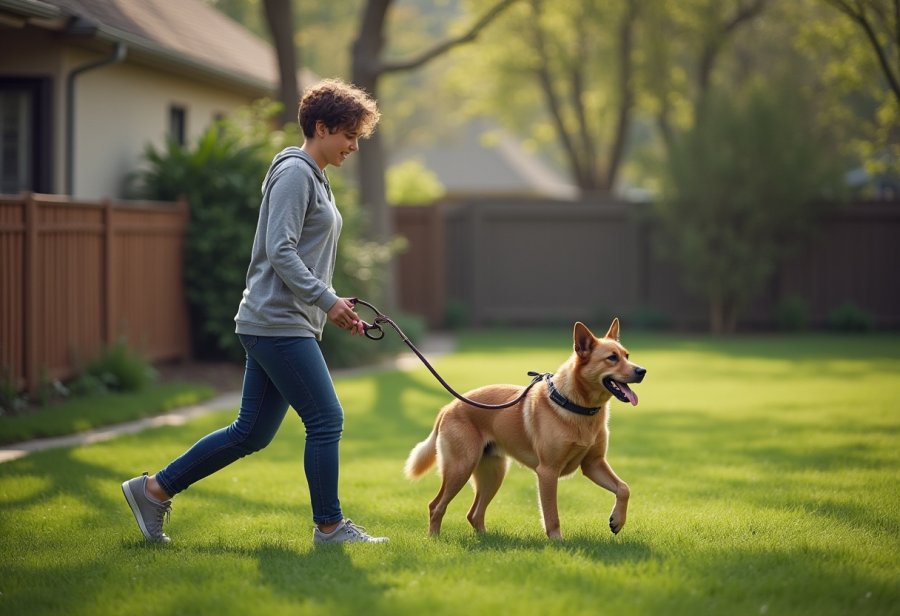
Overcoming Challenges: Managing Setbacks and Ensuring Progress
Addressing potential setbacks is essential to keep your calm dog walking training on track. Leash reactivity, where your dog barks or lunges at other animals or stimuli, is common but manageable. Recognizing early signs allows you to respond calmly without escalating the situation. Gradual desensitization—exposing your dog to triggers from a distance and rewarding calmness—turns reactive moments into learning opportunities. Consistent positive reinforcement helps your dog associate triggers with good things, reducing reactivity over time.
Distractions like passing cars, squirrels, or loud noises can pull your dog’s focus and cause pulling or anxiety. Starting training in quiet, familiar settings and slowly introducing new stimuli builds confidence. Keeping the leash relaxed encourages exploration without tension, fostering calmness. When your dog gets distracted, redirect their attention with a cue or toy, then reward their focus. Patience and persistence are key; progress might be slow, but small successes lead to lasting change.
Inconsistency in routines or unclear commands can cause confusion and setbacks. Dogs thrive on predictability, so sticking to familiar cues and routines clarifies expectations. Harsh corrections should be avoided—redirect and praise instead. If your dog resists or regresses, revisit basic exercises in a calm environment to rebuild trust and confidence. Unexpected challenges, like sudden reactivity or overexcitement, require a flexible approach. Changing direction or removing your dog from stressful situations often helps de-escalate tension.
Having a support network makes overcoming setbacks easier. Consulting a professional trainer or joining a class offers tailored guidance and reassurance. Sharing experiences with pet communities can also provide valuable tips and encouragement. Remember, setbacks are normal; they’re part of the learning process. Staying calm, consistent, and patient ensures your dog continues to progress. With time and perseverance, these challenges become opportunities to strengthen your bond and deepen your understanding, leading to calmer, more focused walks.