Step into the roaring heart of the 1970s muscle car era with the Chevrolet SS, a symbol of raw power, rebellious style, and American ingenuity. From the aggressive stance to the thunderous V8 engines, this era defined freedom on four wheels, capturing imaginations with bold designs and unstoppable performance. But what made these cars legends? Was it their eye-catching aesthetics—wide, muscular profiles and racing stripes—or the adrenaline-fueled engines that roared down highways? As modern car culture draws inspiration from their bold aesthetics and performance, how are these icons evolving amidst technological advances and shifting environmental standards? The legacy lives on through passionate restorations, enthusiast communities, and innovative adaptations, blending vintage rebellion with modern engineering. This ongoing story of power, attitude, and innovation continues to inspire new generations, proving that the spirit of the muscle car—forever loud and unapologetically bold—remains as vital as ever.
Unleashing the Power and Spirit of the 1970s Chevrolet SS
The 1970s was a defining decade for American muscle cars, a time when style and performance collided to create some of the most iconic vehicles in automotive history. It was an era driven by a desire for raw power, rebellious spirit, and bold design, capturing the imagination of car enthusiasts across the country. These cars weren’t just modes of transportation; they became symbols of freedom and individuality, roaring down highways with an attitude that refused to fade.
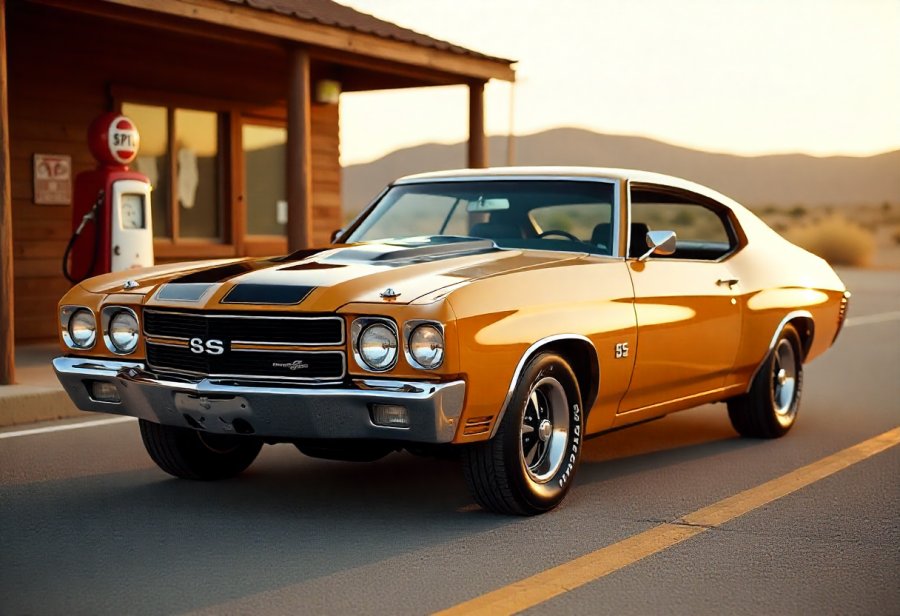
Among the stars of this golden age was the Chevrolet SS, a true reflection of everything that made muscle cars special. Its aggressive stance, muscular lines, and performance-focused details made it stand out from the crowd. The SS badge wasn’t just a trim level—it was a statement about power, attitude, and American engineering prowess. Whether cruising city streets or standing tall at car shows, the Chevrolet SS embodied the daring spirit that defined the decade.
Design played a crucial role in the car’s appeal. Wide, rally-style wheels, a prominent cowl-induction hood, and eye-catching racing stripes communicated speed and aggression even when the car was at rest. Bright colors like Hugger Orange and Cranberry Red, complemented by chrome accents, added to its visual impact. Every detail was crafted to evoke strength and attitude, making it impossible to ignore the presence of the Chevrolet SS on the road.
More than just a show-stopper, the Chevrolet SS was built to deliver heart-pounding performance. Under the hood, big-block V8 engines roared with authority, capable of unleashing a level of horsepower that made other vehicles seem tame. This power was backed by suspension setups and tires designed for maximum grip, ensuring that the car’s performance matched its fierce looks. It was a machine that demanded respect and delivered it in equal measure.
The 1970s Chevrolet SS wasn’t just a car; it was a cultural icon. It appeared in movies, magazines, and stories that celebrated American muscle and rebellion. It became a symbol of a generation eager to challenge limits and carve their own path. Driving one was an experience—an act of defiance wrapped in stylish, powerful packaging. These vehicles continue to evoke nostalgia, reminding us of a time when horsepower ruled and roads were open to endless possibilities.
Understanding the significance of the Chevrolet SS helps explain why it remains a beloved classic today. It’s more than a vintage vehicle; it’s a piece of American automotive history that continues to inspire enthusiasts and collectors alike. Its legacy endures because it captures the essence of an era where speed, style, and attitude were paramount. The roar of a 1970s Chevy still echoes in the hearts of fans, a timeless reminder of the bold, rebellious spirit that defined the muscle car era.
Tracing the Fierce Rise and Cultural Impact of Muscle Cars
The muscle car phenomenon didn’t emerge overnight; it was born from a combination of innovation, fierce competition, and cultural shifts during the 1960s and early 1970s. Automakers started with existing models and gave them a performance boost, transforming everyday cars into high-powered machines designed to turn heads and dominate streets. The Pontiac GTO is widely recognized as the first true muscle car, packing a big V8 into a relatively modest body, setting a template that others quickly followed. This sparked a wave of excitement, pushing brands like Chevrolet and Ford to develop their own muscle legends.
As the decade progressed, muscle cars became more daring and aggressive. Manufacturers added larger engines, racing-inspired features, and bold styling elements to appeal to a generation hungry for speed and rebellion. Cars like the Chevrolet Chevelle SS and Dodge Charger boasted engines with over 400 horsepower, featuring hood scoops, wide tires, and racing stripes that made their intentions clear. Society’s fascination with speed and independence fueled their popularity, turning these vehicles into symbols of youthful defiance and freedom.
The late 1960s and early 1970s marked the peak of muscle car dominance. Automakers competed fiercely to push performance limits, constantly refining their models to offer more horsepower and better handling. The Pontiac GTO Judge and Ford Mustang Mach 1 became household names, blending straight-line speed with eye-catching style. Heavy-duty suspensions, performance tires, and bold graphics further cemented their reputation, making them favorites among enthusiasts and media alike. These cars weren’t just transportation—they were rolling expressions of American ingenuity and spirit.
Motorsports and racing culture heavily influenced muscle car development. Manufacturers drew inspiration from the track, translating high-performance upgrades into street-ready models. This racing DNA gave muscle cars their reputation for excitement both in straight lines and around corners. They became symbols of American competitiveness, designed to defy limits and stand out in any crowd. Their roar on the street echoed their track-bred roots, fueling a culture that celebrated speed, power, and rebellion.
However, by the mid-1970s, the muscle car era faced significant challenges. Stricter emissions standards and safety regulations forced automakers to detune engines, reducing horsepower. Rising fuel prices and economic uncertainty made these gas-guzzling machines less practical for everyday drivers. Despite these hurdles, the legacy of muscle cars persisted, laying a foundation for future high-performance models that continued to embody that daring, rebellious spirit.
Today, the history of muscle cars like the Chevrolet SS remains a testament to American innovation and boldness. Their influence is evident in modern vehicles that blend vintage aesthetics with advanced technology. Restorations, car shows, and media coverage keep the passion alive, celebrating the era’s legacy. The muscle car story is one of pushing boundaries, embracing individuality, and creating legends—an enduring blueprint for performance and attitude that still inspires enthusiasts worldwide.
The Modern Revival and Enduring Legacy of Muscle Car Culture
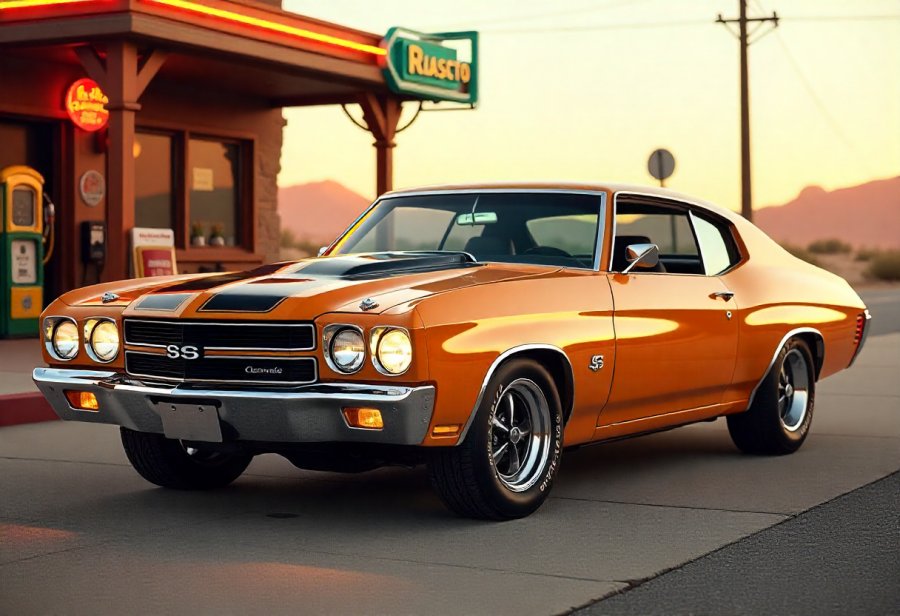
The legacy of the 1970s Chevrolet SS continues to shape today’s automotive scene in meaningful ways. Modern designers and manufacturers draw inspiration from that era’s bold styling, emphasizing wide stances, aggressive lines, and powerful engines that evoke the golden age of American horsepower. Today’s muscle cars often feature retro-inspired aesthetics—broad, muscular profiles, racing stripes, and prominent grilles—that pay homage to classic models while offering improved performance, safety, and comfort. This seamless blend of vintage flair and modern technology keeps the spirit of muscle cars alive, appealing to both nostalgic enthusiasts and new drivers seeking excitement.
Thanks to technological advances, modern muscle cars deliver unprecedented speed, handling, and reliability. Turbocharged V8 engines, lightweight materials, and refined suspension systems elevate their performance beyond what was imaginable decades ago. Digital dashboards, driver-assist features, and advanced safety standards ensure these vehicles are practical for everyday use, without sacrificing the raw power and attitude that define the muscle car spirit. This balance of old-school rebellion and contemporary innovation makes these cars relevant and desirable in today’s market.
Muscle car culture remains vibrant through restorations, car shows, and media coverage. Restoring a vintage Chevrolet SS or Camaro Z28 isn’t just about aesthetics; it’s about preserving a piece of American history and passing that passion to future generations. Enthusiasts dedicate time and resources to bring these classics back to life, often customizing them with modern upgrades while maintaining their original character. Car shows and online communities serve as hubs for sharing stories, exchanging tips, and celebrating the craftsmanship that keeps these icons relevant. This ongoing community effort ensures the roaring engines of the past continue to echo loudly in the present.
The influence of muscle cars extends beyond nostalgia; it actively shapes contemporary design trends. Automakers incorporate retro elements—wide bodies, racing stripes, bold graphics—into new models, creating a visual link to the golden age of muscle cars. Some manufacturers are exploring electric muscle cars that combine high performance with zero emissions, promising to deliver the same thrill without environmental compromise. These innovations demonstrate that the core appeal—power, attitude, and individualism—can adapt to the modern world without losing its rebellious edge.
Looking ahead, the future of muscle cars remains promising. Limited editions, custom builds, and ongoing restorations keep the legacy alive, while technological advancements continue to push performance and efficiency. The roar of a vintage V8 may evolve into a high-tech electric pulse, but the essence of freedom and rebellion will endure. As the industry evolves, the muscle car’s core message—pushing boundaries and making a statement—remains unchanged. The spirit of the 1970s Chevrolet SS is more than history; it’s a living legacy that inspires innovation and passion, ensuring these icons will continue to thrill and inspire for generations to come.
Personal Stories and Community Bonds Fueling the Muscle Car Passion
For many muscle car enthusiasts, the Chevrolet SS isn’t just a vehicle; it’s a symbol of freedom and a direct link to a bygone era. Talking with owners reveals how starting up that deep, rumbling engine instantly transports them—whether back to their youth or childhood memories—where speed and rebellion felt within reach. Restoring these cars isn’t just a hobby; it’s a way to reconnect with history and pass down a passion that’s deeply rooted in family traditions and shared experiences.
Many enthusiasts share stories of their first rides or memorable road trips in vintage Chevys. One owner recalled inheriting a battered Chevelle from a family member, then spending weekends restoring it alongside their dad—an experience that strengthened their bond and deepened their appreciation for the car’s legacy. Others describe cruising in a classic Camaro, feeling the engine’s thunder and wind in their hair, moments that seem timeless and universal among muscle car fans. These stories highlight how these cars serve as vessels for family memories and youthful rebellion alike.
Restoration and collection are vibrant parts of muscle car culture today. Owners invest time, money, and craftsmanship into bringing these icons back to life—whether restoring to factory specs or customizing for personal flair. Car shows dedicated to vintage American muscle draw crowds eager to see these restored beauties and hear their stories. Media—through documentaries, social media groups, and YouTube channels—keeps the passion alive, sharing tips and celebrating the skill that preserves these cars’ relevance. This community effort ensures the roar of a vintage V8 continues to resonate into the future.
Getting involved in this scene is more than just admiring cars; it’s about building connections. Attending local cruise-ins or meetups offers a firsthand look at the dedication behind each restoration project. Online forums and social media groups link enthusiasts worldwide, creating a space to exchange advice, share stories, and showcase progress. For many, starting a restoration or even just taking a vintage ride deepens their appreciation and understanding of what makes these cars so special. It’s a shared passion that fosters a sense of belonging and continuity.
These personal stories and ongoing efforts keep the Chevrolet SS legacy alive and thriving. Each restored car represents a piece of American history, a symbol of ingenuity, rebellion, and freedom that continues to inspire. Whether in a garage or at a show, these vehicles embody more than just horsepower—they embody a lifestyle passed down through generations. The engines may have roared decades ago, but their spirit remains loud and clear, fueling a community that refuses to let this iconic era fade away.
The passion for restoring, customizing, and celebrating these cars demonstrates that they’re more than machines—they’re part of a larger story of resilience and identity. Each owner, each story, adds to a collective narrative of American ingenuity and rebellious spirit. As new generations discover these classics, the cultural importance only deepens. The roar of a vintage Chevy isn’t just a sound; it’s a reminder that the desire for freedom, power, and individual expression is timeless. That’s the real legacy of the Chevrolet SS—alive, evolving, and forever inspiring.
Innovating Forward: The Future of Muscle Cars and Their Cultural Significance
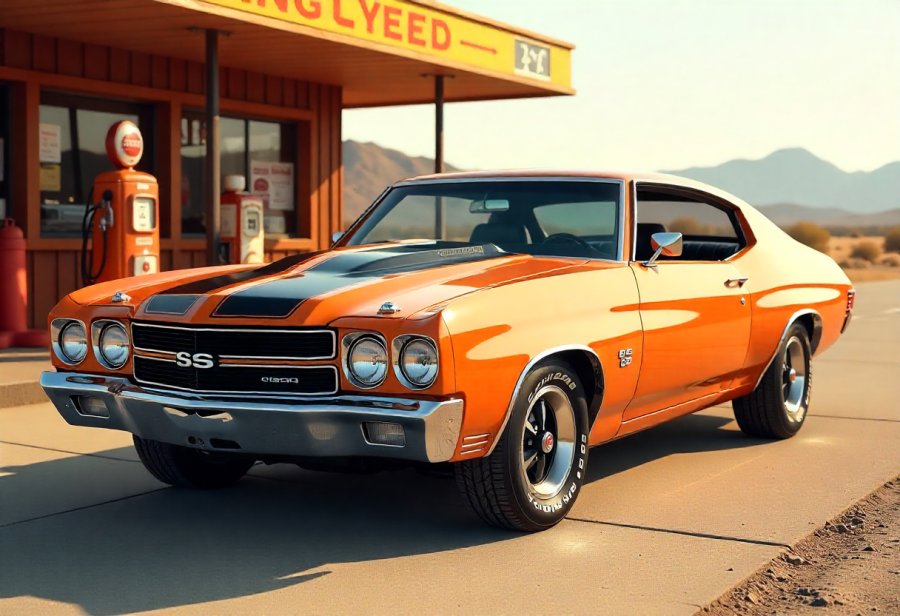
The influence of the 1970s Chevrolet SS continues to shape the future of muscle cars and automotive culture in profound ways. Today’s designers and manufacturers often draw inspiration from that era’s bold styling—wide stances, aggressive lines, and powerful engines—that evoke the golden age of American horsepower. But it’s not just about looks; modern muscle cars now blend vintage aesthetics with cutting-edge technology, delivering higher performance, enhanced safety, and greater efficiency. This seamless fusion keeps the spirit of muscle cars alive and relevant, appealing to both nostalgic enthusiasts and new drivers craving excitement.
Thanks to advancements in engineering, today’s muscle cars outperform their predecessors in speed, handling, and reliability. Turbocharged V8 engines, lightweight materials, and sophisticated suspension systems push performance to new heights. Meanwhile, digital dashboards, driver-assist features, and improved emissions standards ensure these vehicles are practical for everyday use without sacrificing their rebellious attitude. This balance of old-school rebellion and modern innovation maintains the core appeal of muscle cars, making them more accessible and desirable than ever.
The cultural impact of muscle cars persists through vibrant communities, car shows, and media coverage. Restoring a vintage Chevrolet SS or Camaro Z28 is more than a hobby—it’s a way to preserve American automotive history and pass that passion forward. Enthusiasts dedicate time and resources to bring these icons back to life, often with modern upgrades that respect their original character. Documentaries, social media, and online forums keep the dialogue alive, sharing stories, tips, and inspiration that fuel the ongoing legacy.
Automakers also continue to incorporate retro styling cues—wide bodies, racing stripes, bold grilles—into new models, creating a visual link to the golden age of muscle cars. Some innovators are exploring electric muscle cars that combine high performance with zero emissions, promising the same raw excitement without environmental compromise. These developments show that the essence of power, attitude, and individualism remains central, even as the industry shifts toward sustainability.
Looking ahead, the future of muscle cars remains bright and dynamic. Limited editions, custom builds, and ongoing restorations keep the legacy vibrant. As technology advances, we’ll see even more powerful, efficient, and eco-friendly vehicles that honor the past while embracing the future. The roar of a vintage V8 might evolve into an electrified pulse, but the desire for freedom and self-expression will endure. The spirit of pushing boundaries and making a statement will continue to define muscle cars, inspiring new generations to carve their own paths.
This ongoing evolution highlights that muscle cars are more than relics—they’re symbols of resilience and innovation. Their story is one of daring, craftsmanship, and rebellion that continues to inspire. As the culture evolves, so does the way we experience and celebrate these machines, ensuring their legacy remains as vibrant as ever. The future of muscle cars is a testament to their timeless appeal: powerful, bold, and forever driven by a desire to stand out and push limits. Their roar, whether from a gas-guzzling V8 or an electric motor, will keep fueling the passion for freedom on the open road for generations to come.