In a world dominated by digital screens and fleeting connections, can tending a garden together offer a deeper path to healing and relationship-building? This compelling exploration reveals how shared outdoor labor—planting, watering, and nurturing—transcends mere horticulture to become a powerful act of trust, patience, and emotional renewal. Rooted in a rich history of community and therapeutic gardening, today’s collective efforts in urban and suburban settings foster bonds that counteract social isolation. As science affirms gardening’s mental health benefits, the question arises: could these simple acts serve as a universal remedy for disconnection? With innovative solutions like vertical farms and digital communities emerging, the future of garden bonding promises even greater inclusivity and impact. This narrative challenges us to reconsider the profound potential lying beneath each planted seed—are we ready to cultivate not just plants, but resilient, trusting human connections?
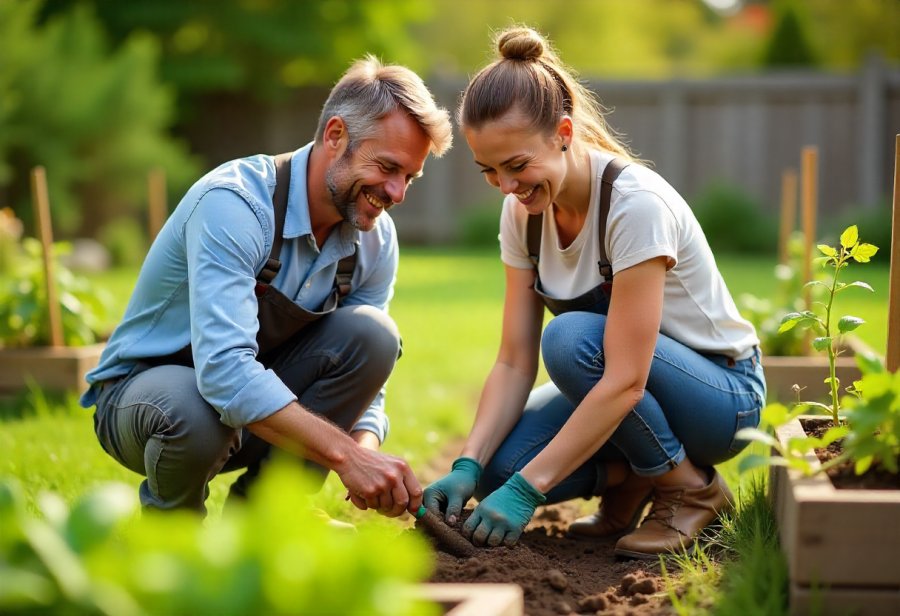
Reconnect and Heal Through Shared Gardening in a Digital Age
In today’s fast-paced digital world, genuine human connection can sometimes feel like a rare gem. We spend hours scrolling through social feeds, exchanging quick messages, or checking notifications, often sacrificing meaningful face-to-face interactions. Amid this noise, the simple act of working alongside someone in a garden offers a refreshing change—a chance to slow down and reconnect in a tangible way.
Tending a garden together isn’t just about plants; it’s about rebuilding trust, patience, and understanding through shared effort. When two people dig, plant, or water side by side, they communicate more naturally and openly than they might in everyday conversations. These moments of cooperation foster a sense of mutual reliance that digital exchanges rarely provide, laying a foundation for deeper bonds.
Beyond the act itself, gardening provides a calming rhythm that soothes the mind and reduces stress. Doing this outdoors, with someone else, amplifies these benefits—creating a safe space where emotional wounds can begin to heal. The soil and plants become symbols of growth, resilience, and renewal, mirroring the strengthening of relationships through gentle, shared labor.
Physical contact, eye contact, and tactile communication are often missing from our screen-driven lives. Gardening encourages these subtle interactions, helping break down emotional barriers and opening pathways for authentic connection. As hands work the soil and plants flourish, so too do feelings of trust and understanding blossom.
In a society increasingly dominated by digital interactions, these outdoor moments serve as a vital reminder that real connection often requires nothing more than patience, presence, and cooperation. Tending a garden together offers a quiet, powerful way to nurture not only the earth but also the human bonds that sustain us. It’s a gentle yet profound act of love and healing—one that roots us in the here and now, reminding us of the simple power of growth, both in nature and in each other.
Tracing Gardening’s Roots as a Social and Healing Tradition
Gardening isn’t a new phenomenon; its roots stretch back thousands of years as both a communal activity and a means of healing. In ancient Egypt, Greece, and Rome, shared green spaces served multiple purposes—from growing food to creating social hubs. These gardens weren’t just about beauty or sustenance; they were vital sites for gathering, exchanging ideas, and strengthening bonds. The collective effort involved in tending these spaces fostered a sense of unity and trust that endured through centuries.
As societies evolved, so did the understanding of gardening’s therapeutic potential. In the 19th and early 20th centuries, horticulture began to be recognized as a form of healing. Hospitals and mental health institutions adopted gardening programs to help patients recover emotionally and physically. Tending plants became a gentle, purposeful activity that helped reduce anxiety, rebuild confidence, and promote social interaction. This shift helped establish gardening as a valuable tool for emotional well-being, beyond mere recreation.
Throughout history, gardens have symbolized resilience and community strength. During times of crisis or upheaval, shared gardening efforts offered a way for people to come together and rebuild trust. Urban community gardens emerged as a response to city living’s disconnection, transforming vacant lots into vibrant spaces where neighbors collaborated, grew food, and found comfort in nature’s rhythm. These gardens became more than patches of earth—they became vital social anchors, nurturing community spirit and collective resilience.
Visionaries like Florence Nightingale emphasized the healing power of outdoor spaces, advocating for the therapeutic benefits of nature in recovery processes. Movements focused on mental health and social inclusion recognized that caring for plants could break down emotional barriers. Over time, these ideas shifted perceptions, framing gardening as a meaningful act that nurtures both the soul and social bonds. This legacy persists today, reaffirming gardening’s role as a cornerstone of community and emotional health.
Today, that history informs a broader appreciation of gardening as a social, healing activity. It’s no longer just about aesthetics or food; it’s about fostering connections, resilience, and well-being. Whether in community plots, therapeutic programs, or personal gardens, the act of tending plants together continues to build trust and support healing. This enduring tradition reminds us that the simple act of working in the soil can forge stronger bonds and nurture emotional resilience—lessons that remain vital in our modern, often disconnected world.
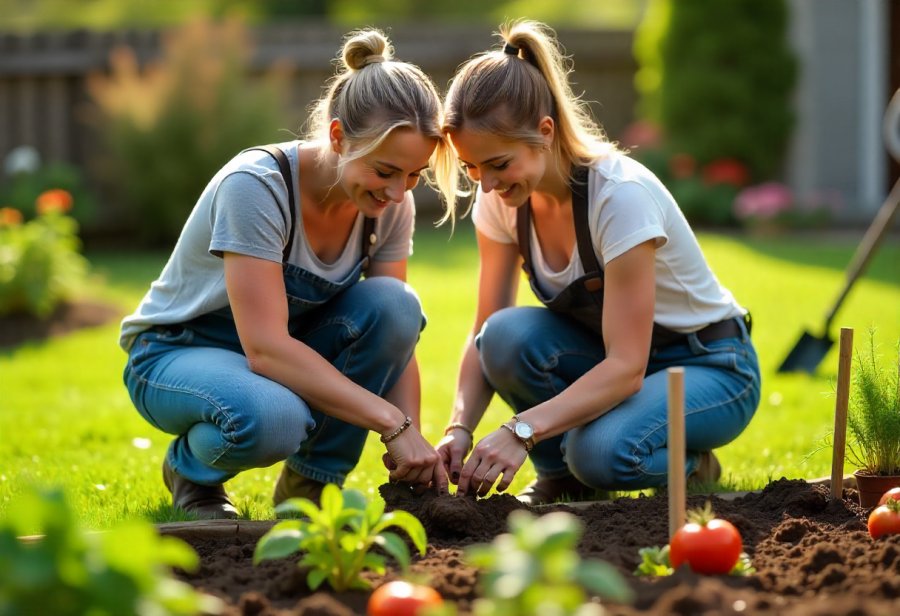
Modern Garden Bonding: Embracing Connection in a Digital World
Today, shared gardening has become a meaningful way for people to connect and rebuild community bonds. Many see it as a peaceful, restorative activity that offers a refreshing escape from the constant buzz of digital life. Community gardens, backyard projects, and online gardening groups foster a sense of belonging and shared purpose, transforming routine chores into opportunities for real connection. Instead of just growing plants, people are cultivating relationships and mutual support through simple acts like planting, watering, and harvesting together.
Across diverse age groups and backgrounds, workshops, classes, and virtual forums have grown in popularity. These spaces make gardening accessible to all, emphasizing teamwork and open dialogue. They break down barriers, encouraging people to learn from each other and bond over common goals. This shift highlights a broader understanding: outdoor activities can be both enjoyable and emotionally nourishing when done collectively, turning gardening into a tool for building trust and resilience.
Urban areas have seen a surge in community-led initiatives, transforming vacant lots or rooftops into lively green spaces. These projects do more than produce food—they create social hubs where neighbors come together, share tools, and work side by side. Participants often report feeling less isolated and more connected, thanks to the collective effort of nurturing shared gardens. These green spaces foster a sense of pride and belonging that extends beyond the plants, strengthening social ties in city environments.
In many schools, workplaces, and healthcare settings, gardening is increasingly recognized as a way to promote well-being. Therapeutic horticulture programs help reduce stress, boost mood, and foster a sense of purpose. These activities provide a hands-on, calming experience that encourages emotional expression and teamwork. Whether it’s planting flowers in a school garden or tending vegetables in a workplace, shared outdoor work offers a quiet space for connection and growth.
Despite its many benefits, challenges remain. Not everyone has easy access to outdoor space or physical ability to garden. Funding and resources can be limited, especially in underserved communities. Skeptics sometimes question whether gardening alone can address deeper emotional issues or serve as a substitute for more intensive therapy. Still, the growing number of community gardens and therapeutic programs demonstrates that shared outdoor work continues to be a powerful, accessible way to foster connection and healing.
The trend toward integrating gardening into daily life shows no signs of slowing. More cities are prioritizing green spaces, and technology is making gardening more interactive and inclusive. Digital platforms connect gardeners across distances, expanding the reach of these shared experiences. As awareness grows, we can expect even more innovative ways to make gardening a cornerstone of community resilience and mental health support.
Looking ahead, the potential for garden bonding to strengthen relationships and foster emotional well-being is immense. Small urban plots, rooftop farms, and virtual communities are opening new doors for participation. Inclusive design and supportive programs will help ensure that everyone can experience the benefits of tending a garden together. As society continues to seek genuine, offline connections, shared gardening remains a simple yet profound way to nurture trust, resilience, and human connection.
Practical Ways Gardening Fosters Healing and Strengthens Bonds
Gardening’s practical role as a tool for connection and healing extends across many settings, making it accessible and impactful for a wide range of people. In hospitals and healthcare environments, therapeutic horticulture programs are increasingly common. These activities help patients recover both physically and emotionally by providing a calming, hands-on experience. Tending to plants—whether planting, watering, or pruning—serves as a gentle distraction from pain and anxiety, while fostering patience and focus. Over time, patients often find renewed confidence and a sense of purpose through shared outdoor activities that promote emotional resilience.
Schools and community centers also incorporate gardening to teach responsibility, teamwork, and patience. When children or adults work together to plant and nurture, they experience a shared sense of achievement that builds trust and cooperation. Watching vegetables, flowers, or herbs grow and flourish reinforces their connection to the process and each other. These routines transform routine chores into meaningful rituals, strengthening bonds among participants and creating a supportive environment where collaboration thrives.
For families and couples, gardening routines become a quiet but powerful way to connect. Simple acts like watering the plants each morning or harvesting vegetables after dinner create calming rituals that encourage conversation and mutual support. These shared efforts become part of daily life, fostering emotional closeness and offering a space for reflection and dialogue that might be hard to find elsewhere. Over time, these small acts of tending deepen trust and understanding, turning the garden into a sanctuary for relationship growth.
Workplaces are increasingly recognizing the benefits of outdoor gardening for employee well-being. Many set up gardens or green spaces where staff can take breaks, unwind, and connect with nature. These spaces promote informal interactions and help reduce stress, while tending to the garden cultivates a sense of team and shared purpose. Tending plants during a break can transform routine downtime into a bonding moment, strengthening relationships and boosting morale in a simple, natural way.
Community gardens exemplify how gardening fosters social bonds beyond individual households. Neighbors come together to design plots, plant, and share the harvest, creating opportunities for casual conversations and collective effort. These shared projects dissolve social barriers and cultivate a sense of belonging, resilience, and trust. Participants often report feeling less isolated and more connected to their community, thanks to their collective nurturing of shared green spaces.
Starting a shared garden doesn’t demand much—just a bit of planning and a willingness to collaborate. Choosing accessible spaces and easy-to-grow plants helps keep motivation high. Establishing routines like weekend planting or daily watering makes participation natural and sustainable. Resources such as local gardening clubs or online tutorials can support newcomers, making the process approachable and rewarding for everyone involved.
Despite hurdles like limited space or physical ability, the growing number of community-led initiatives and therapeutic programs demonstrates gardening’s versatility as a healing, bonding activity. Across hospitals, schools, and neighborhoods, tending plants together continues to prove its power to nurture not just growth in the soil, but in people’s hearts as well.
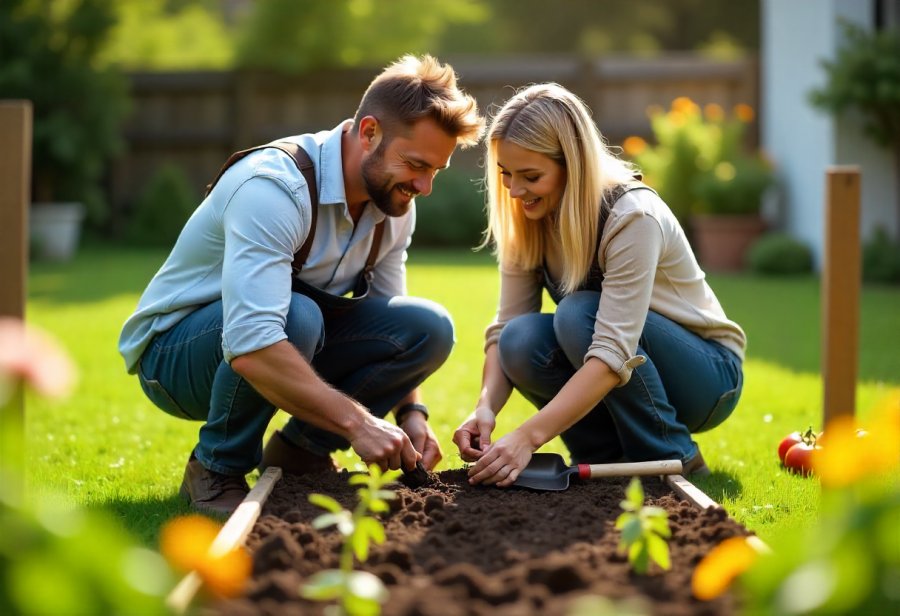
The Future of Garden Bonding: Innovations, Inclusion, and Community Resilience
Looking ahead, the potential for garden bonding to deepen its impact on mental health and community resilience is vast. As urban spaces become more crowded and green areas harder to access, innovative solutions like vertical gardens, rooftop farms, and compact community plots are opening new doors for city dwellers to connect outdoors. These small but meaningful green spaces allow neighbors to work side by side, nurturing shared purpose even in tight urban environments.
Technology is also poised to play a bigger role in fostering these connections. Apps and digital platforms can coordinate planting schedules, share tips, and create virtual communities that bridge geographical gaps. Online forums and virtual workshops make gardening accessible to more people, allowing them to exchange ideas and encouragement regardless of physical distance. This blend of the digital and the natural enhances the reach and inclusivity of garden-based bonding, transforming it into a global movement rooted in local action.
At the same time, institutions like schools, workplaces, and healthcare providers are increasingly integrating outdoor gardening into their routines. Expect to see more structured programs that leverage garden activities to build resilience, reduce stress, and promote emotional well-being. When these initiatives are supported by funding and policy, they can reach underserved communities, ensuring that the healing power of shared outdoor work is accessible to all.
Advances in smart gardening tools and IoT devices will likely make tending gardens easier and more engaging. Automated watering systems, soil sensors, and even virtual reality garden tours could turn outdoor work into immersive experiences. Cities might prioritize green infrastructure, recognizing that accessible, shared outdoor spaces are vital for fostering social bonds and mental health in urban environments. Policies that support community gardens and therapeutic outdoor spaces will reinforce this shift, making outdoor bonding an integral part of city life.
Designing these spaces with inclusivity in mind is essential. Accessible gardens and adaptive tools ensure everyone, regardless of age or physical ability, can participate. Supporting local initiatives and encouraging community-led projects will help sustain these efforts, making garden bonding a natural and ongoing part of daily life. As communities embrace this approach, they not only cultivate plants but also nurture stronger, more resilient relationships.
The future of garden bonding is also about expanding its scope beyond traditional settings. Urban farms, school gardens, and even corporate green spaces can become vibrant hubs for connection. Virtual reality and augmented reality tools can simulate garden experiences for those unable to access physical spaces, broadening participation and understanding. These innovations promise to make the act of tending together more dynamic and inclusive than ever before.
Ultimately, embracing the evolving landscape of garden bonding can help us face modern challenges with resilience and compassion. As green spaces multiply in our cities and technology bridges gaps, we can foster environments where connection and healing flourish. The simple act of working side by side in a garden holds the power to transform not only individual lives but entire communities, planting seeds for a healthier, more connected future.