In an era where seamless communication is vital for competitive edge, customizable telephony solutions like those from Grandstream are transforming how organizations connect and operate. Imagine deploying scalable, smart devices that adapt effortlessly to your unique workflows—reducing wait times, enhancing customer experiences, and streamlining daily operations. But as technology advances with AI, 5G, and IoT, questions arise: how can businesses protect their networks from evolving security threats while harnessing these innovations? The future promises even greater integration, offering real-time data sharing and intelligent device interactions, yet the complexity of modern networks demands strategic planning. Will your organization be ready to leverage these breakthroughs for maximum efficiency? As telecom ecosystems grow smarter and more interconnected, those investing wisely in resilient, scalable infrastructure will stay ahead—transforming challenges into opportunities for growth and innovation.
Transform Your Business Communication with Customizable Telephony Solutions
In today’s fast-moving business landscape, clear and reliable communication isn’t just a convenience—it’s a necessity. Companies that can adapt their internal and external messaging systems to meet evolving needs gain a competitive edge. Personalized telephony solutions make this possible by allowing organizations to tailor their communication tools to fit their unique workflows and customer interactions. Rather than relying on one-size-fits-all systems, businesses can customize features like call routing, auto-attendants, and device settings to optimize efficiency and improve service quality.
This level of customization isn’t just about adding bells and whistles; it’s about creating a communication environment that responds to specific operational demands. For example, auto-attendants can direct customers to the right department instantly, reducing wait times and frustration. Programmable keys on IP phones enable quick access to frequently dialed numbers or functions, streamlining daily tasks. These features, when configured properly, help teams work smarter and serve clients more effectively, fostering stronger relationships and a more professional image.
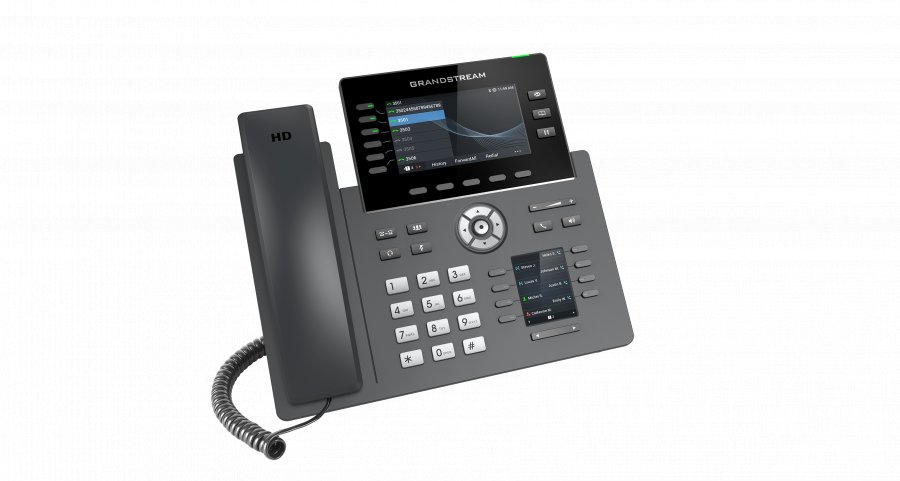
At the core of these tailored solutions are innovative devices like Grandstream’s IP phones. Designed with scalability and ease of use in mind, they support high-quality audio, flexible configuration, and seamless integration with existing network systems. Whether deploying a handful of phones for a small office or hundreds across multiple locations, Grandstream’s devices adapt effortlessly, ensuring consistent performance and user experience. Their compatibility with cloud management platforms simplifies deployment and ongoing management, saving time and reducing technical hurdles.
Implementing a customized telephony system involves more than just hardware; it requires strategic planning and smart management practices. Cloud-based platforms like Grandstream’s GDMS centralize device configuration, firmware updates, and troubleshooting. This approach allows IT teams to oversee entire communication networks remotely, ensuring all devices are optimized and secure. Such management tools make scaling up or adjusting telephony systems straightforward, minimizing downtime and maintaining high performance.
The real power of personalized telephony lies in how it enhances workflows and customer engagement. Features like intelligent call routing and CRM integration ensure that calls reach the right person at the right time, delivering a seamless experience. This not only improves operational efficiency but also builds trust with customers who appreciate quick, personalized responses. By customizing communication pathways, businesses can create more responsive, customer-centric environments that support growth and innovation.
Looking ahead, the trend toward flexible, cloud-managed, and device-rich telephony solutions continues to accelerate. As technology advances, companies that embrace these innovations will be better equipped to adapt to changing demands. Whether through smarter devices, more intuitive management platforms, or advanced features like AI-driven call handling, the future points to a world where communication systems are more integrated and responsive than ever. Investing in these customizable solutions today sets the foundation for ongoing success in an increasingly connected world.

Building Blocks of Modern Telephony: Devices, Networks, and Integration
Telephony systems form the backbone of modern business communication, seamlessly blending hardware devices with network infrastructure to enable voice and multimedia interactions. At their core, these systems comprise IP phones, gateways, servers, and supporting network equipment that work together to transmit digital voice data over the internet through VoIP technology. Understanding how these components connect and interact is essential for designing solutions that are both scalable and reliable, ensuring smooth and consistent communication.
VoIP, or Voice over Internet Protocol, has transformed how businesses communicate by converting traditional voice signals into data packets that travel across data networks. Unlike conventional landlines that depend on dedicated copper wires, VoIP leverages existing internet infrastructure, reducing costs and increasing flexibility. This digital approach allows employees to make and receive calls from anywhere with an internet connection—be it in the office, at home, or on the go—breaking down geographical barriers and supporting remote work.
The effectiveness of a VoIP system hinges on a robust network infrastructure. Routers, switches, firewalls, and other network devices must be configured to prioritize voice traffic, often through Quality of Service (QoS) settings. Proper network design minimizes latency and jitter, which can degrade call quality, especially during peak usage periods. Maintaining high call clarity is critical for professionalism and customer satisfaction, as multiple calls happen simultaneously or during busy times.
Modern IP phones, like those from Grandstream, are built to integrate seamlessly with various network setups. They support high-definition audio, programmable keys, auto-provisioning, and easy deployment, making them adaptable to different environments. Whether used in small offices or large enterprises, these phones can handle complex call routing requirements and are manageable through centralized platforms, streamlining updates and troubleshooting processes.
Device compatibility and deployment strategies are key considerations when building an effective telephony system. Grandstream’s IP phones support flexible deployment options—on-premises, cloud-managed, or hybrid—allowing organizations to choose configurations that best fit their needs. Auto-provisioning capabilities enable rapid deployment of hundreds or thousands of devices from a single platform, reducing setup time and minimizing errors, especially during large-scale rollouts.
Security and ongoing device management are vital for maintaining system integrity. Regular firmware updates and security patches help protect against vulnerabilities, while centralized management platforms like Grandstream’s GDMS enable remote monitoring, configuration, and troubleshooting. This centralized control allows IT teams to keep the system secure, up-to-date, and performing optimally without disrupting daily operations.
Choosing the right hardware involves balancing organizational size, call volume, and feature requirements. Smaller teams might prioritize straightforward models focused on basic voice quality, whereas larger organizations benefit from devices with extensive programmability and integration capabilities. Selecting equipment aligned with current needs but adaptable for growth ensures a future-proof communication setup.
Understanding these fundamental concepts—how devices connect, communicate, and are supported by network infrastructure—lays the groundwork for effective telephony deployment. This knowledge enables organizations to optimize their communication systems for efficiency, security, and scalability. As technology advances, staying informed about these basics helps in making strategic decisions that leverage the full potential of modern telephony solutions, ensuring seamless connectivity in an increasingly digital world.
Embracing Innovation: Trends Shaping the Future of Business Communications
The landscape of business telephony is evolving rapidly, driven by innovations that make communication smarter, more flexible, and more responsive. Cloud-managed systems are at the forefront, enabling organizations to oversee their entire communication infrastructure remotely. This shift eliminates the need for on-site configuration and maintenance, allowing for faster deployment and easier scaling across multiple locations or remote teams. As a result, companies can adapt quickly to changing demands without the delays associated with traditional setups, making agility a key advantage in today’s competitive environment.
Artificial intelligence is transforming how businesses handle calls and customer interactions. Features like intelligent call routing, voice recognition, and automated attendants are becoming essential tools for delivering superior service. AI-driven systems can analyze call data in real time, ensuring inquiries are directed to the right agent or providing self-service options that reduce wait times. This not only enhances the customer experience but also frees up staff to focus on more complex tasks, boosting overall productivity and efficiency.
Despite these advances, challenges remain. Data security is a top concern as more systems shift to the cloud and integrate with various platforms. Protecting sensitive information requires continuous vigilance and robust security measures. Additionally, integrating new technologies with existing infrastructure can sometimes be complex, leading to compatibility issues or delays. Organizations need to partner with providers who prioritize seamless integration and security, ensuring that innovations support rather than hinder operational stability.
Looking ahead, the future of telephony is set to be even more interconnected and intelligent. Emerging technologies like 5G, machine learning, and the Internet of Things will dramatically enhance connectivity, enabling high-quality video calls, real-time data sharing, and smarter devices that adapt to user behavior. With 5G, call setup times will be nearly instantaneous, supporting seamless remote collaboration. IoT integration could allow telephony devices to interact with other smart systems within a workspace, creating environments that respond proactively to user needs and operational cues.
Device innovation continues to push the boundaries of what’s possible. Modern IP phones, especially those from Grandstream, now support features like programmable keys, video conferencing, and CRM integration, all designed to streamline workflows and improve user experience. Cloud management platforms further simplify deployment, updates, and maintenance, allowing organizations to expand or modify their systems swiftly and with minimal disruption. These advancements create a flexible ecosystem where communication tools grow and adapt alongside the business.
As these trends converge, the importance of a secure, high-performance network becomes clearer. Techniques such as traffic segmentation, priority routing, and regular firmware updates help maintain optimal call quality and system security, even amid increasing data loads and sophisticated threats. Organizations investing in resilient, well-designed infrastructure will benefit from fewer disruptions, clearer calls, and a system capable of supporting future innovations. This foundation is essential for staying competitive in a landscape where connectivity and responsiveness are crucial.

Looking Ahead: The Future of Personalized Telephony and Seamless Connectivity
As technology continues to accelerate, the future of customizable telephony promises greater integration, flexibility, and intelligence. Innovations like AI-powered features, 5G connectivity, and IoT integration are transforming the way businesses communicate, making systems more responsive to individual and organizational needs. These advancements will enable companies to deliver highly personalized experiences for both employees and customers, fostering stronger relationships and boosting operational efficiency.
Cloud-based management platforms will become even more streamlined, allowing organizations to configure, monitor, and update their entire communication infrastructure with minimal effort. This ease of control supports rapid deployment and scaling, especially for growing or geographically dispersed teams. As a result, businesses can remain agile, adapting swiftly to market shifts and operational changes without the delays associated with traditional hardware upgrades or manual setups.
Mass deployment solutions, exemplified by Grandstream’s device series, are already simplifying large-scale rollouts. Their auto-provisioning and centralized management capabilities drastically reduce setup times and errors, enabling quick expansion across multiple locations. As deployment processes become more automated and integrated with network optimization techniques—such as QoS and bandwidth management—organizations can maintain high-quality, reliable communication even during periods of rapid growth or high demand.
Network performance will stay central to telephony’s evolution. Emerging technologies like 5G and enhanced security protocols will support high-definition video calls, real-time data sharing, and smarter device interactions. Techniques such as traffic segmentation and priority routing will help preserve call quality and system stability amid increasing data loads. Companies investing in resilient, secure networks will experience fewer disruptions, clearer communication, and a foundation capable of supporting future innovations.
Device innovation continues to push boundaries beyond traditional IP phones. Modern solutions from Grandstream support features like programmable keys, video conferencing, and CRM integration, all designed to streamline workflows and enhance user experiences. Coupled with cloud management platforms, these tools enable swift deployment, updates, and system adjustments, ensuring communication infrastructure grows seamlessly with the business. This ecosystem of smart, adaptable devices will become the backbone of future-ready organizations.
As these trends converge, prioritizing a secure, high-performance network becomes critical. Advanced encryption, proactive monitoring, and continuous firmware updates are essential to safeguard sensitive data and ensure system resilience. Organizations that invest in robust infrastructure will benefit from fewer disruptions, higher call quality, and a system prepared to embrace ongoing technological advancements. Building this solid foundation is key to remaining competitive in a landscape where connectivity and responsiveness define success.