Unlock the extraordinary strategies and unwavering ambition that transformed Alexander the Great from a young prince into a legendary conqueror whose legacy still shapes the world today. How did his visionary leadership, cultural sensitivity, and tactical brilliance redefine ancient empires? Delve into the depths of his adaptive tactics, charismatic influence, and daring decisions that demoralized enemies and inspired followers alike. This compelling exploration reveals that Alexander’s success was not solely rooted in military innovation but in his ability to craft a unifying vision and persuade diverse peoples to join his quest for greatness. As we contrast his relentless pursuit of expansion with the complex geopolitical landscape of his time, questions arise: How can timeless principles of leadership endure across centuries? What lessons can modern leaders draw from his blend of cultural fusion, psychological mastery, and decisive action? Prepare to be captivated by a story that challenges our understanding of influence, resilience, and the true nature of conquest.

Unveiling Alexander the Great: Visionary Leadership and Tactical Genius
Alexander the Great stands as one of history’s most compelling figures, embodying a remarkable blend of visionary leadership, strategic ingenuity, and relentless ambition. His life and conquests not only transformed the political and cultural landscape of the ancient world but also forged a legacy that continues to resonate today. From his early years in Macedonia to the vast territories he brought under his control, Alexander’s story exemplifies how individual resolve, combined with tactical brilliance, can reshape history’s course. Exploring his strategies and ambitions provides valuable insights into effective leadership and the enduring power of a compelling vision.
His significance extends far beyond military accomplishments. Alexander epitomizes the archetype of a leader driven by a clear, overarching purpose—one that fused conquest with cultural integration. His ambition was not solely to expand territory but to create a new world order rooted in the synthesis of Greek and Eastern traditions. This grand vision underpinned every campaign, fueling his relentless pursuit of greatness. By examining his life and actions, we gain a deeper understanding of how personal drive, paired with innovative strategy, can leave an indelible mark on history.
Leadership qualities rooted in personal charisma, tactical flexibility, and a shared sense of purpose defined Alexander’s approach. His ability to inspire loyalty among his followers was extraordinary, often relying on shared ideals and his unwavering confidence to motivate even the most exhausted soldiers. His adaptability in warfare—shifting tactics to match terrain, enemy, and cultural context—demonstrates a strategic mind capable of responding dynamically to diverse challenges. This flexibility was crucial in overcoming formidable opponents and uncharted territories, setting him apart from many of his contemporaries.
The scope of Alexander’s ambitions was equally remarkable. Unlike leaders whose focus was limited to defending or consolidating existing borders, he sought to forge an interconnected empire that fused cultures and ideas. His campaigns stretched from Greece through Persia into India, driven by a desire to transcend conventional limits of power and influence. The evidence suggests that his relentless pursuit of conquest was motivated both by personal ambition and a genuine belief in a unified, Hellenistic world. His strategic combination of military innovation and diplomatic initiatives aimed to integrate diverse peoples into a cohesive empire.
Understanding his strategies requires a multidisciplinary approach. Historians analyze ancient texts—by Arrian, Plutarch, and Diodorus Siculus—and archaeological findings that shed light on battlefield tactics, troop movements, and material culture. While these sources are invaluable, they are not without limitations, and their biases must be critically assessed. Modern military theory and leadership studies help interpret his decision-making, highlighting the innovative aspects of his campaigns and the psychological impact of his presence on both troops and enemies. This layered analysis reveals that Alexander’s success was rooted in a complex interplay of tactical mastery and human motivation.
Alexander’s campaigns were characterized by boldness and surprise. His ability to employ swift cavalry maneuvers, meticulously planned sieges, and terrain exploitation created a psychological edge that often demoralized opponents before a single blow was struck. His strategic use of terrain—choosing advantageous positions and executing unexpected attacks—allowed him to catch enemies off guard and gain the upper hand in seemingly impossible situations. These elements of battlefield ingenuity and psychological warfare combined to produce victories that seem almost prescient in their planning and execution.
Ancient Rivalries and Foundations: Greece, Persia, and Macedonia Before Alexander
The geopolitical landscape of ancient Greece and Persia before Alexander’s rise was a tapestry woven from rivalry, innovation, and cultural exchange that set the stage for his unprecedented campaigns. Greece, fragmented into fiercely independent city-states such as Athens, Sparta, Corinth, and Thebes, was characterized by relentless competition and frequent warfare. These city-states, while often at odds, shared a common language, religious practices, and political ideals that fostered a collective identity—one that would later be harnessed and transformed by Alexander. The constant skirmishes and alliances among these poleis drove them to develop sophisticated military tactics, notably the hoplite phalanx, which relied on disciplined infantry fighting shoulder to shoulder, and naval innovations exemplified by Athens’ formidable fleet.
Across the Aegean, the Persian Empire represented a sprawling and multicultural superstate, stretching from Anatolia through Egypt and into Central Asia and India. Under the Achaemenid dynasty, Persia exemplified a sophisticated form of imperial governance, managing its diverse territories through a system of satrapies—regional provinces overseen by satraps who balanced local autonomy with central authority. This administrative structure allowed the empire to sustain a vast and complex network of trade, tribute, and cultural exchange. The Persian military was equally impressive, combining a core of elite cavalry—most famously the immortal cavalry—and an expansive navy capable of projecting power across the Mediterranean and beyond.
The frequent confrontations between these two worlds—the fiercely independent Greek city-states and the vast Persian empire—set the backdrop for the coming clash that would define the early chapters of Alexander’s story. The Greeks, despite their internal rivalries, shared a sense of identity rooted in language, religion, and shared values. Their victories at Marathon, Thermopylae, and Salamis became symbolic moments of resilience, demonstrating that a coalition of relatively small but determined city-states could challenge the might of Persia. These battles also exposed the limitations and strengths of Greek warfare—hoplite tactics struggled against Persia’s diverse strategies, prompting Greek military innovators to refine their approaches and lay the groundwork for future tactical evolution.
Meanwhile, Macedonia occupied a somewhat peripheral yet strategically vital position within this geopolitical mosaic. Often seen as culturally distinct and militarily less sophisticated compared to the city-states of southern Greece, Macedonia’s reputation shifted dramatically under the leadership of Philip II. His reforms of the Macedonian army, particularly the development of the Macedonian phalanx armed with longer spears and tighter formations, transformed Macedonia into a formidable regional power. Philip’s diplomatic prowess—characterized by strategic alliances, marriages, and the subjugation of rival tribes—enabled him to extend his influence into northern Greece, gradually unifying the region under his hegemony.
The consolidation of Macedonia provided a stable foundation for future expansion. Philip’s reforms increased the discipline and effectiveness of Macedonian troops, turning them into a highly mobile and adaptable force capable of confronting larger armies. His strategic diplomacy, including the forging of alliances with Greek city-states and the suppression of internal dissent, set the stage for his son’s ascension and the subsequent campaigns. When Philip was assassinated in 336 BCE, the power vacuum was swiftly filled by Alexander, whose upbringing and early experiences were shaped by this turbulent landscape of rivalry and innovation.
Alexander’s childhood and education unfolded amid this dynamic environment. Born in 356 BCE in Pella, he was immersed in the military and political culture of Macedonia from an early age. His tutelage under Aristotle exposed him to philosophy, rhetoric, and strategic thinking, laying a foundation for his future leadership. The death of Philip and the subsequent power struggles created immediate pressures, but Alexander’s quick consolidation of power demonstrated his political acumen and military confidence. His early efforts to secure his authority relied on a combination of military might, strategic alliances, and the inheritance of Macedonian military reforms that emphasized discipline, innovation, and swift action.
The broader context of ongoing Greek-Persian conflicts profoundly influenced Alexander’s ambitions. His campaigns were driven not only by a desire for personal glory but also by the legacy of Persian invasions that had threatened Greece decades earlier. The victories of Greek city-states over Persia, and the subsequent Persian retreat, imbued the Greek world with a sense of resilience and a desire to assert dominance over their eastern neighbor. Conversely, Persia’s vast empire represented an irresistible target—an opportunity to expand Macedonian influence and realize Alexander’s vision of a unified, culturally integrated realm. This complex history of rivalry, conquest, and cultural exchange created a fertile ground for Alexander’s ambitions, shaping his strategies and fueling his relentless pursuit of empire.
In essence, the world that Alexander inherited was a theater of competing powers—an arena where Greek innovations in warfare and governance clashed with the vast, multicultural Persian empire. It was a landscape marked by constant tension, strategic experimentation, and the shared pursuit of dominance. Understanding this intricate background reveals how Alexander’s vision was not formed in isolation but emerged from a long-standing tradition of conflict and cooperation. The alliances, rivalries, and innovations of this era provided both the opportunities and the challenges that would define his extraordinary conquests and his lasting legacy in world history.

Core Principles of Leadership and Strategy Derived from Alexander’s Legacy
At the core of Alexander the Great’s enduring influence lie principles of leadership and strategy that continue to resonate across eras and cultures. Central among these is the capacity to craft and communicate a vision so compelling that it unites diverse groups and sustains loyalty through adversity. Alexander’s ambition to forge a unified empire rooted in cultural synthesis provided his followers with a purpose larger than mere conquest. This sense of shared destiny transformed individual efforts into a collective pursuit of greatness, illustrating how a clear, inspiring vision can galvanize a diverse coalition—an insight that remains vital for modern leadership.
Equally crucial is Alexander’s remarkable adaptability. Unlike leaders who rigidly cling to a single tactic, he demonstrated a fluid intelligence that responded dynamically to terrain, enemy tactics, and cultural complexities. Whether navigating the rugged mountains of Persia or the dense jungles of India, he tailored his formations, employed innovative strategies, and exploited local conditions to his advantage. This flexibility was not improvisation born of desperation but a deliberate strategic choice—highlighting that success often depends on the ability to adjust swiftly and effectively in unpredictable environments. Such adaptability allowed him to outmaneuver larger or better-equipped foes and seize opportunities that others might overlook, underscoring resilience as a strategic asset.
Communication and trust formed the backbone of Alexander’s leadership style. His charisma enabled him to forge deep bonds with his followers, creating a sense of shared purpose that transcended mere discipline. Through inspiring speeches, personal acts of bravery, and unwavering confidence, he bolstered morale even amid grueling campaigns. His ability to connect emotionally with his troops fostered loyalty and resilience, turning soldiers into a cohesive force driven by conviction rather than coercion. This emotional intelligence—understanding what motivates and reassures others—remains a fundamental lesson for leaders seeking to sustain teams under stress and uncertainty.
Cultural sensitivity and diplomatic finesse complemented his military prowess, broadening his influence beyond battlefield tactics. Recognizing that sustainable conquest depended on more than raw force, Alexander often incorporated local customs, forged alliances, and respected religious traditions within his expanding realm. These efforts minimized resistance, fostered loyalty, and facilitated cultural fusion—transforming conquest into collaboration. This nuanced approach to influence through understanding and respect offers a powerful lesson for today’s interconnected world, where influence often hinges on the ability to navigate cultural differences and build relationships rooted in mutual respect.
Decisiveness underpins many of Alexander’s most celebrated successes. His rapid, bold actions—such as crossing the Hellespont or executing surprise attacks at Gaugamela—created psychological momentum that often demoralized enemies before a single blow was struck. This swift decision-making maintained the initiative and prevented opponents from regrouping, generating a psychological edge that proved decisive in battles. Modern leaders, faced with complex and volatile situations, recognize that timely, confident moves—when rooted in sound judgment—can transform the tide of a conflict or challenge. Alexander’s example reminds us that hesitation can be the greatest obstacle to seizing critical opportunities.
Finally, Alexander understood that influence extended beyond tactics and into perceptions. His mastery of psychological warfare—projecting an aura of daring, confidence, and unwavering resolve—shaped how others responded to him and his campaigns. His reputation for audacity often preceded him, sowing fear among enemies and inspiring admiration among allies. This ability to shape perceptions, through symbolic acts and consistent messaging, amplifies tangible efforts into a powerful force of influence. Leaders today who understand the importance of projecting strength and trust can leverage perception as a strategic tool, much as Alexander did, turning reputation into a decisive advantage on and off the battlefield.
Modern Lessons from Alexander: Applying Ancient Strategies to Contemporary Leadership
The strategic principles exemplified by Alexander the Great continue to resonate deeply within modern leadership and military practice, offering lessons that remain strikingly relevant across different contexts and eras. His emphasis on adaptability exemplifies a core tenet of effective strategy today. Alexander’s ability to modify tactics in response to terrain, enemy formations, and cultural environments demonstrates that flexibility is essential when navigating unpredictable landscapes—whether in warfare, business, or organizational change. Leaders who rigidly adhere to a single plan risk failure when circumstances shift unexpectedly; instead, those who respond nimbly and adjust their approach often gain the upper hand. This capacity to pivot, rooted in a keen understanding of the environment, underpins resilience and innovation in high-stakes settings.
The importance of a compelling vision, as Alexander demonstrated with his goal of uniting disparate peoples through cultural synthesis, continues to serve as a foundational principle of leadership. In modern contexts, whether managing a corporation or leading a nation, articulating a clear, inspiring purpose galvanizes support and sustains motivation through difficult times. Alexander’s grand aim created a shared sense of destiny among his followers, transforming individual efforts into a collective pursuit of greatness. Leaders today craft narratives that align their teams with larger missions—visions that ignite passion and foster perseverance. The power of purpose, seen vividly in Alexander’s campaigns, persists as a vital force that drives sustained effort and cohesion.
Psychological influence also plays a crucial role in effective leadership, echoing Alexander’s mastery of mental impact. His bold deeds, personal bravery, and daring maneuvers were designed not only to win battles but to demoralize enemies and inspire his troops. This understanding that perception shapes reality remains central in contemporary leadership. Whether through strategic messaging, symbolic acts, or confident decision-making, projecting strength and conviction influences how others perceive and respond. Leaders who master this mental dimension can sway stakeholder attitudes, build loyalty, and create a psychological advantage—even before physical action occurs. Alexander’s ability to inspire trust and fear simultaneously underscores that influence often hinges on the subtle art of perception management.
Cultural sensitivity and diplomatic finesse, often overlooked in traditional battlefield narratives, are integral to Alexander’s enduring success—lessons that resonate in today’s interconnected world. His strategy of integrating local customs, forging alliances, and respecting religious traditions helped foster stability within his vast empire. These efforts minimized resistance and promoted loyalty, illustrating that influence extends beyond military might. Modern leaders recognize that sustainable success depends on building relationships, understanding diverse perspectives, and exercising influence through cultural intelligence. Whether in international diplomacy or corporate negotiations, the ability to navigate and respect differences transforms potential conflicts into opportunities for collaboration—much like Alexander’s blending of Greek and Eastern traditions.
Decisiveness remains a hallmark of Alexander’s leadership. His rapid, bold actions—such as crossing the Hellespont or executing surprise attacks at Gaugamela—created momentum that often demoralized enemies before a single blow was struck. Such swift decision-making maintained the initiative and prevented opponents from regrouping, giving him a psychological edge that proved decisive in battles. In today’s complex and volatile environments, leaders recognize that timely, confident moves—when rooted in strategic judgment—can turn the tide of conflicts or challenges. Hesitation or overcautiousness risks missing opportunities, while bold, well-timed actions can generate breakthroughs. Alexander’s example reminds us that decisive action, executed with clarity and purpose, often becomes the catalyst for long-term success.
Furthermore, Alexander understood that influence extends beyond tactics into perceptions. His mastery of psychological warfare—projecting an aura of daring, confidence, and unwavering resolve—shaped how others responded to him and his campaigns. His reputation for audacity often preceded him, sowing fear among enemies and inspiring admiration among allies. This ability to shape perceptions through symbolic acts and consistent messaging amplifies tangible efforts into a powerful force of influence. In contemporary leadership, projecting strength and trust can leverage perception as a strategic tool, much like Alexander did. The outcome hinges not just on physical capabilities but also on the intangible realm of reputation and influence.
Adopting these lessons from Alexander’s leadership involves more than mimicking tactical maneuvers; it requires a holistic approach that balances vision, flexibility, emotional intelligence, cultural understanding, decisiveness, and perception management. Leaders who integrate these principles can build resilient teams capable of overcoming challenges and seizing opportunities. The core idea is that influence and success depend on aligning strategic actions with human motivation—whether in the heat of battle or in the boardroom. Alexander’s example demonstrates that true leadership combines tactical mastery with the ability to motivate, adapt, and influence across a broad spectrum of circumstances, making his strategies as relevant today as they were in the ancient world.
Enduring Legacy: Reflections on Alexander the Great’s Impact and Relevance
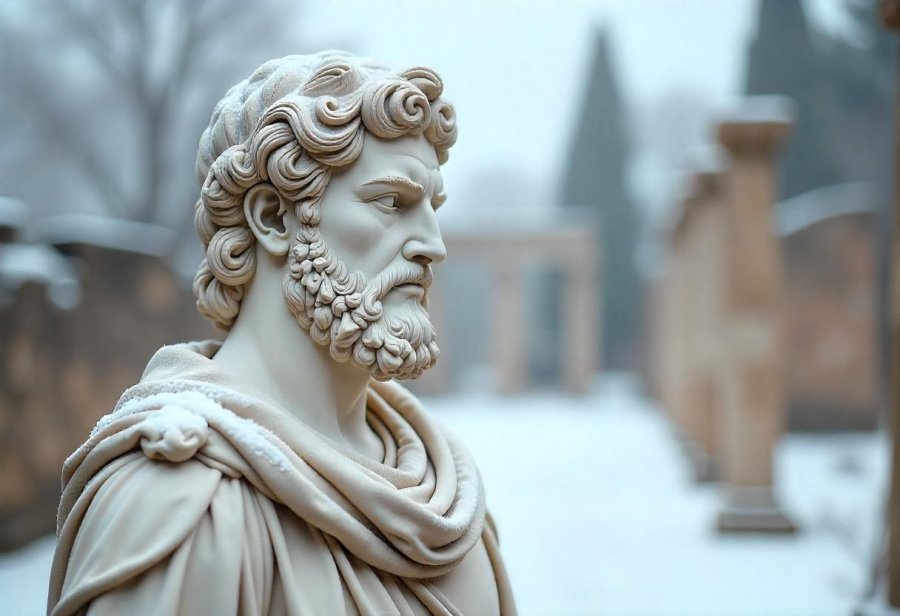
Alexander the Great’s legacy endures because it exemplifies how visionary leadership, strategic innovation, and cultural sensitivity can produce lasting change. His ability to adapt tactics to diverse environments, motivate and inspire loyalty, and pursue relentless ambition transformed the ancient world and laid foundational principles still relevant today. These qualities—vision, flexibility, charisma, and cultural awareness—are not confined to military history but serve as universal lessons in leadership and influence. Recognizing these enduring themes helps us appreciate that great leaders shape history not solely through conquest but by inspiring shared purpose and fostering resilience amid complexity.
At the core of Alexander’s success was a clear, compelling vision. He sought not just to conquer territories but to create a new cultural and political synthesis that unified disparate peoples under a common identity. This overarching aim motivated his troops, giving them a sense of purpose beyond material gain. His ability to articulate and embody this grand vision transformed individual efforts into a collective pursuit of greatness—an insight that remains vital in modern leadership, whether in military, corporate, or social spheres. Leaders who can inspire through purpose mobilize their followers to persevere through adversity and uncertainty.
Equally vital was his remarkable adaptability. Alexander demonstrated an extraordinary capacity to modify tactics in response to terrain, enemy strategies, and cultural differences. Whether navigating the rugged mountains of Persia or the jungles of India, he tailored his formations, employed innovative strategies, and exploited local conditions to gain advantages. This flexibility was not improvisation but a deliberate strategic choice—highlighting that success often depends on the ability to respond swiftly and effectively to unforeseen challenges. His resilience stemmed from a willingness to learn and adjust, qualities that continue to underpin effective leadership in unpredictable environments.
His mastery of psychological influence further amplified his impact. Alexander understood that perception could be as decisive as force. His reputation for daring exploits, personal bravery, and unwavering confidence created an aura that demoralized enemies and inspired his followers. By projecting strength and conviction, he shaped how others responded to him, turning reputation into a strategic asset. Modern leaders recognize that shaping perceptions—through symbolic acts, consistent messaging, and unwavering resolve—can leverage influence beyond tangible tactics. Alexander’s skill in managing morale and mental warfare remains a powerful lesson in the subtle art of influence.
Ultimately, Alexander’s legacy reveals that the most enduring leaders are those who combine strategic brilliance with human insight. His ability to inspire shared purpose, adapt fluidly to circumstances, and influence perceptions created an empire rooted in both military prowess and cultural fusion. These principles transcend time and context, reminding us that leadership is a dynamic interplay of vision, resilience, emotional intelligence, and influence. His story encourages contemporary leaders to look beyond mere tactics, emphasizing the importance of motivation and adaptability in shaping history’s course. In doing so, Alexander the Great remains a timeless example of how one individual’s ambition and ingenuity can alter the fabric of civilization forever.