Nylon, a staple in our daily lives—from athletic wear to carpets—offers unmatched durability and affordability. But at what environmental cost does this convenience come? Made from petrochemicals derived from finite fossil fuels, its production is energy-intensive and pollutes air and water, fueling climate change. Once in use, nylon sheds microfibers, polluting oceans and harming marine life, while its resistance to biodegradation causes it to persist in landfills for centuries. The true impact of nylon reveals a stark contrast between our comfort and the planet’s health. Can sustainable alternatives—like recycled fibers, bio-based polymers, and circular fashion—strike a balance without sacrificing performance? How can policy and consumer choices accelerate change? As we confront these questions, the story of nylon becomes a compelling call to action—urging us to rethink the true cost of our reliance on synthetic fibers and embrace more responsible, eco-friendly practices for a healthier future.
Uncovering the Hidden Environmental Cost of Nylon in Our Daily Lives
Nylon is one of those materials that’s hard to miss in today’s world. It’s in our clothes, carpets, sports gear, and countless industrial products. Its strength, durability, and versatility have made it a popular choice for manufacturers and consumers alike. But beneath this convenience lies a more complex story—one that involves significant environmental impacts.
Many of us use nylon daily without giving it a second thought. We see it in the stretchy leggings we wear, the sturdy backpacks we carry, or the carpets under our feet. Its popularity isn’t surprising: nylon is affordable, easy to produce in large quantities, and lasts for years. However, what’s often overlooked is how this synthetic fiber is made and the footprint it leaves behind.
Understanding nylon’s origins and lifecycle is essential. It starts with petrochemicals derived from oil and natural gas—fossil fuels that are finite and environmentally costly to extract. These raw materials undergo complex chemical reactions to create long polymer chains, which are then spun into fibers. This process is energy-intensive and relies heavily on fossil fuels, contributing to pollution and greenhouse gas emissions.
Once produced, nylon is woven or knitted into fabrics used across various industries. It’s found in activewear, swimwear, carpets, and outdoor gear, thanks to its resilience and quick-drying properties. Its affordability and durability have made it a staple in modern life, yet this widespread use ties directly back to the environmental costs of its production.
The environmental impact doesn’t end when nylon products are used. They shed tiny microfibers during washing, which often escape filtration systems and pollute waterways. These microplastics harm marine life and can eventually reach humans through the food chain. Discarded nylon items also take centuries to decompose in landfills, releasing microfibers and chemicals as they break down slowly over time.
By exploring how nylon is made and what it leaves behind, we see that its convenience comes with a hidden environmental price. Recognizing these impacts helps us understand the urgent need for sustainable alternatives and encourages more mindful choices in our daily lives.
From Petrochemicals to Everyday Fabrics: The Lifecycle of Nylon
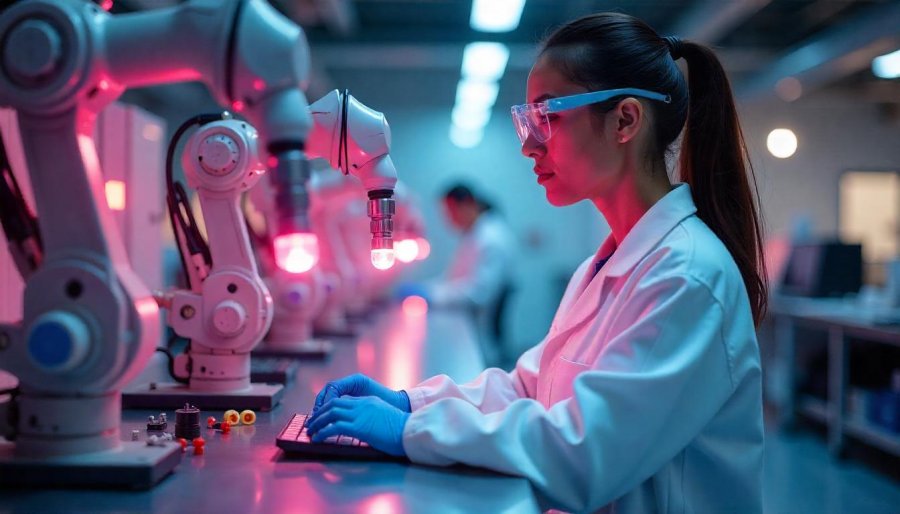
Nylon begins its journey deep within the world of petrochemicals, relying heavily on the extraction of oil and natural gas—fossil fuels that are both finite and environmentally costly to access. These raw materials are refined through complex chemical processes to produce key building blocks such as benzene, hexamethylenediamine, and adipic acid. These chemicals then undergo polymerization, a reaction that links them into long, strong chains known as polymers, forming the foundation of nylon fibers.
Once these polymers are created, they are melted down and spun into fibers through a process called extrusion. This involves forcing the heated material through tiny nozzles to produce fine threads, which are then cooled, stretched, and treated to boost their strength and elasticity. This entire process demands precise conditions—high heat, pressure, and catalysts—making it highly energy-intensive. As a result, nylon production consumes large amounts of fossil fuels and releases pollution at every stage.
The applications of nylon are diverse and widespread. It’s a staple in the clothing industry, used in activewear, swimsuits, and hosiery because of its stretch, resilience, and quick-drying qualities. Beyond apparel, nylon’s toughness makes it ideal for carpets, upholstery, outdoor gear, and industrial products like fishing lines, ropes, and tire cords. Its affordability and durability have cemented its role as one of the most common synthetic fibers globally, linking consumer convenience with environmental consequences.
However, the reliance on fossil fuels for nylon’s manufacture ties it directly to environmental concerns. Extracting oil and natural gas involves disruptive drilling and mining, risking ecosystem damage and water pollution. The refining process itself releases greenhouse gases and hazardous pollutants, fueling climate change and environmental degradation. As demand for nylon grows, so does the pressure on these limited resources, creating a cycle of increasing environmental harm.
Beyond raw material sourcing, the chemical processes involved in making nylon also generate waste and emissions that threaten ecosystems. Dyes, stabilizers, and finishing agents used in production can leach into water systems, harming aquatic life and sometimes contaminating drinking water supplies. The energy-intensive manufacturing and chemical footprint make nylon’s environmental impact difficult to ignore and demand innovative solutions.
From raw extraction to end-use, nylon’s lifecycle is deeply intertwined with fossil fuel dependence and pollution. Its widespread adoption offers convenience but at a significant environmental cost—one that calls for a reconsideration of how we produce and consume textiles. Exploring sustainable alternatives and smarter practices is essential to breaking this cycle and reducing nylon’s footprint on the planet.
The Environmental Toll: How Nylon Pollutes Ecosystems and Oceans
Nylon’s environmental footprint reaches far beyond its manufacturing process, affecting ecosystems at every stage of its lifecycle. The reliance on fossil fuels for production releases significant greenhouse gases and pollutants, contributing directly to climate change. The chemical reactions involved in creating nylon emit toxins into the air and water, harming local environments and depleting finite resources. As demand for nylon increases, so does the environmental strain, deepening the cycle of extraction, pollution, and resource depletion.
Once in use, nylon fibers shed microplastics during washing and wear. These tiny particles—microfibers—escape filtration systems and accumulate in oceans, rivers, and soils. Marine life ingests these microplastics, which can move up the food chain, threatening biodiversity and human health. Because these particles are so small and persistent, they linger in ecosystems for hundreds of years, breaking down into even finer fragments that are nearly impossible to remove.
Disposal presents another major challenge. Nylon products do not biodegrade; instead, they persist in landfills for centuries. Over time, they slowly fragment into microfibers and residual chemicals, seeping into soil and water. This long-lasting presence exacerbates the global plastic pollution crisis, contaminating natural habitats and threatening wildlife long after their initial use. The durability that makes nylon so useful also makes it a stubborn pollutant, often outliving the environment it was meant to serve.
Chemical residues from manufacturing, dyeing, and finishing processes worsen the impact. Dyes and stabilizers can leach into water systems as nylon products degrade, posing risks to aquatic life and contaminating drinking water sources. These toxins tend to persist, accumulating in ecosystems and often causing long-term ecological and health issues. The combination of chemical pollution and physical microplastics creates a complex, stubborn problem that is difficult to address with current waste management practices.
The cumulative effect of nylon’s lifecycle paints a picture of ongoing environmental harm—one that begins with resource extraction and continues through manufacturing, use, and disposal. Its resilience and widespread use mean its pollution is both extensive and persistent. Mitigating these impacts calls for greater awareness, innovation in sustainable materials, and stricter waste management policies, all aimed at reducing nylon’s footprint and protecting the planet’s health.
Innovative Solutions for a Greener Future: Alternatives to Nylon and Sustainable Practices
To cut down on nylon’s environmental impact, many in the fashion industry and among consumers are exploring more sustainable options. Natural fibers like hemp, organic cotton, and linen stand out because they don’t depend on fossil fuels and tend to break down more easily after disposal. These materials often require less water, fewer chemicals, and less energy during production, making them better choices for the planet. Recycled fibers also offer a promising solution—nylon reclaimed from waste, plastic bottles, or other discarded plastics can be spun into new fabrics, giving old materials a second life and reducing the need for virgin resources.
Innovations in bio-based polymers are gaining momentum. These fibers, made from renewable resources such as cornstarch, algae, or other plants, are designed to degrade more quickly in natural environments. They aim to match nylon’s durability while leaving a smaller environmental footprint after disposal. Some startups and research institutions are developing biodegradable nylon-like materials that perform similarly but break down after use, potentially transforming how textiles are produced and disposed of.
Shifting to circular fashion practices can also make a big difference. Brands are increasingly designing clothes to last longer, encouraging consumers to repair, reuse, and recycle rather than discard. Recycling programs that turn old nylon or synthetic garments into new fibers help close the loop and reduce waste. Repair initiatives and clothing exchanges further extend the lifespan of garments, decreasing the demand for new production and conserving resources.
Government policies play a crucial role in supporting these shifts. Regulations that limit microplastic release from washing machines, fund research into sustainable materials, and incentivize eco-friendly manufacturing practices can accelerate change. Extended producer responsibility policies make companies accountable for the end-of-life management of their products, pushing them toward recyclable and biodegradable options. These measures can help reshape the industry toward more environmentally friendly practices.
Consumers also hold power through their choices. Washing clothes with microplastic filters, selecting brands committed to sustainability, and repairing garments instead of throwing them away can significantly reduce nylon’s environmental footprint. Supporting companies that prioritize transparency and eco-conscious materials encourages widespread industry change and makes sustainable fashion more accessible.
Addressing nylon’s environmental challenges requires a combined effort—driving innovation, promoting responsible consumption, and enacting supportive policies. Embracing these solutions can help us enjoy the benefits of synthetic fibers without sacrificing the health of our planet. Moving toward more sustainable materials and practices isn’t just a trend; it’s a necessary step to ensure a healthier future for ecosystems and communities alike.
Rethinking Nylon: Towards a More Sustainable and Responsible Use of Synthetic Fibers
Nylon is so ingrained in our daily lives that we rarely pause to consider its true impact on the environment. From the clothes we wear to the carpets under our feet, its durability and affordability have made it a staple across industries worldwide. Yet, beneath this convenience lies a hidden cost—one that involves significant resource depletion, pollution, and long-lasting waste. Recognizing these hidden consequences is essential if we hope to shift toward a more sustainable future.
The lifecycle of nylon—from extraction of fossil fuels to manufacturing, use, and disposal—embodies a cycle of environmental strain. Its production relies heavily on finite resources, emitting greenhouse gases and pollutants that contribute to climate change. Once in use, nylon sheds microplastics that infiltrate our waterways, harming aquatic ecosystems and entering the food chain. Its resistance to biodegradation means it persists in landfills for centuries, slowly breaking down into microfibers and chemicals that continue to pollute the environment long after the initial product has served its purpose.
Addressing these challenges demands both innovation and responsibility. Sustainable alternatives like natural fibers and recycled materials are gaining ground, offering a way to enjoy the benefits of textiles without the heavy ecological footprint. Advances in bio-based and biodegradable nylon-like fibers present promising options that could preserve performance while reducing long-term harm. Meanwhile, shifts in consumer behavior—such as supporting eco-conscious brands, repairing garments, and reducing microplastic release—can make a tangible difference.
Policy initiatives also play a critical role in accelerating change. Regulations that limit microplastic pollution, incentivize sustainable manufacturing, and hold producers accountable for waste management are vital steps. By fostering a circular economy, these policies encourage companies to design for reuse and recyclability, helping close the loop on nylon’s environmental cycle.
Ultimately, re-evaluating our dependence on nylon isn’t just an environmental imperative—it’s a necessary move toward resilience and stewardship. Our choices today shape the world we leave behind, and embracing more sustainable materials and practices ensures we protect ecosystems, conserve resources, and promote healthier communities. Moving forward requires collective effort, innovation, and a commitment to rethinking what comfort and convenience truly cost.