A reliable car battery is the cornerstone of worry-free driving, yet many drivers overlook simple maintenance routines that can prevent unexpected breakdowns. Did you know that a quick check of your battery’s voltage, terminals, and physical state can dramatically reduce the risk of being stranded? Understanding the internal chemistry and common issues—like corrosion, vibration, or extreme temperatures—reveals how fragile this vital component can be. Regular inspections, cleaning, and securing your battery aren’t just about maintenance—they’re essential safety measures that keep your vehicle dependable in any weather. Would you risk the inconvenience of a sudden failure or take proactive steps to ensure your battery’s health? This straightforward approach to battery care empowers you to avoid costly repairs, extend the lifespan of your battery, and maintain peace of mind on every journey. Don’t let neglect turn a simple check into a costly emergency—your vehicle’s performance depends on it.

Ensure Worry-Free Driving with Proper Battery Care
A dependable car battery is the backbone of worry-free driving. It’s what makes sure your engine starts smoothly and keeps all your electrical systems—like headlights, the radio, and dashboard controls—working without a hitch. When your battery is in good shape, you can hop into your vehicle with confidence, knowing it will start every time, even on cold mornings or after long periods of inactivity. But neglecting basic maintenance can quickly turn that confidence into frustration, especially if the battery begins to weaken or fails unexpectedly.
Most car batteries are lead-acid types, consisting of positive and negative plates submerged in sulfuric acid. When you turn the key, a chemical reaction inside the battery produces the electricity needed to start your engine and power your vehicle’s electrical systems. Understanding this basic setup helps explain why keeping your battery in good condition is vital for reliable performance. The internal chemistry needs to stay balanced; any disruption can lead to starting issues or electrical glitches.
Over time, factors like corrosion, vibration, and temperature extremes can take a toll on your battery’s internal components. Corrosion, often appearing as white or greenish deposits on the terminals, can impede electrical contact. Vibration can loosen connections or damage internal plates, while extreme cold or heat accelerates chemical degradation. Recognizing these signs early allows you to address potential problems before they lead to breakdowns or costly repairs.
Routine checks are simple but effective ways to keep your battery in top shape. Visual inspections for corrosion and physical damage can reveal issues before they cause inconvenience. Using a voltmeter to measure voltage provides added insight—an ideal reading when the engine is off is around 12.6 volts. Anything significantly lower suggests your battery may be losing its ability to hold a charge, signaling it’s time for attention. These small steps can save you from being stranded unexpectedly.
Securing your battery properly is equally important. A loose or poorly fastened battery can vibrate excessively, causing internal damage or intermittent electrical problems. Ensuring the terminals are tight and the battery is firmly held in place prevents these issues and extends its lifespan. Regularly checking the physical fitment is a quick, straightforward way to maintain reliability, especially during rough driving conditions or in extreme weather.
Keeping the battery case free of cracks, leaks, or swelling is another key step. Damage to the case indicates internal problems, such as overheating or chemical leaks, which can lead to sudden failure. A swollen or leaking battery is a safety hazard and should be replaced immediately. Regular visual inspections after rough drives or during seasonal changes help catch these signs early, preventing safety risks and costly repairs.
Managing electrical habits also plays a role in prolonging your battery’s life. Avoid leaving headlights, interior lights, or electronics on when the engine isn’t running. These drain power unnecessarily and accelerate wear. During long stops or idling, turn off unnecessary devices to preserve your battery’s charge. Developing these habits helps ensure your vehicle remains dependable and ready to go when you need it most.
By integrating these simple maintenance practices into your routine, you set the stage for a reliable vehicle. Routine inspections, cleaning, securing the battery, and mindful electrical use become second nature when incorporated into your regular vehicle care. These proactive steps reduce the risk of roadside breakdowns, especially during harsh weather or long trips, giving you peace of mind. A well-maintained battery isn’t just about avoiding inconvenience—it’s about ensuring safety and confidence every time you turn the key.

Master the Fundamentals of Car Battery Maintenance
Understanding how your car battery functions is the foundation for effective maintenance. Most automotive batteries are lead-acid types, composed of positive and negative plates immersed in sulfuric acid. When you turn the ignition, a chemical reaction occurs inside the battery that generates the electrical energy needed to start the engine and power your vehicle’s electrical systems. Recognizing this basic setup helps you appreciate why keeping your battery in good shape is essential for reliable performance.
The positive and negative plates are separated by insulating materials to prevent short circuits. These plates sit in a bath of sulfuric acid, which facilitates the chemical reactions that produce voltage—usually around 12.6 volts when fully charged. The terminals, marked as positive (+) and negative (–), connect your battery to the vehicle’s electrical system. If these connections become corroded or loose, the flow of electricity can be disrupted, leading to starting issues and electrical glitches that can leave you stranded.
A healthy battery maintains a precise internal chemistry that allows it to deliver a consistent voltage. Over time, with repeated charge and discharge cycles, internal components degrade, and the chemical balance shifts. This deterioration causes the battery to hold less charge or fail to supply enough power when needed. Recognizing early signs of decline—such as sluggish engine starts, dimming headlights, or a slow cranking engine—can help you prevent unexpected breakdowns and costly repairs.
Routine physical inspections are simple yet impactful. Look for corrosion—white, greenish, or bluish deposits—around the terminals. These deposits hinder electrical contact and can cause starting problems. Cleaning the terminals with a mixture of baking soda and water and a wire brush restores good conductivity and improves performance. Additionally, examine the battery case for cracks, leaks, or swelling—signs of internal damage that may require replacement. Catching these issues early can prevent sudden failure and potential safety hazards.
Monitoring your battery’s voltage with a basic voltmeter offers valuable insight into its health. When the engine is off, a fully charged battery should read around 12.6 volts. If your readings dip below 12.4 volts, it indicates the battery is weakening and may not reliably start your vehicle. Regularly testing the voltage, especially before long trips or during cold weather, helps you identify when it’s time for recharging or replacement, avoiding inconvenient breakdowns.
Securing the battery firmly is often overlooked but crucial. Vibrations from driving or rough terrain can loosen connections and cause internal damage over time. Make sure the battery is properly fastened with the correct brackets; tight, secure connections prevent vibrations from disrupting internal plates or causing intermittent electrical issues. Properly secured batteries last longer and maintain consistent power flow, reducing the risk of unexpected failures.
Finally, keeping the battery case clean and free of cracks or swelling is essential for safety and longevity. Dirt, oil, or corrosion can interfere with electrical contact and promote internal damage. Regularly wipe the battery and its surroundings with a damp cloth, removing debris and corrosion to make early signs of damage more visible. Addressing physical damage promptly ensures safety and prevents sudden breakdowns, keeping your vehicle dependable every day.
Apply Effective Techniques to Keep Your Battery Reliable
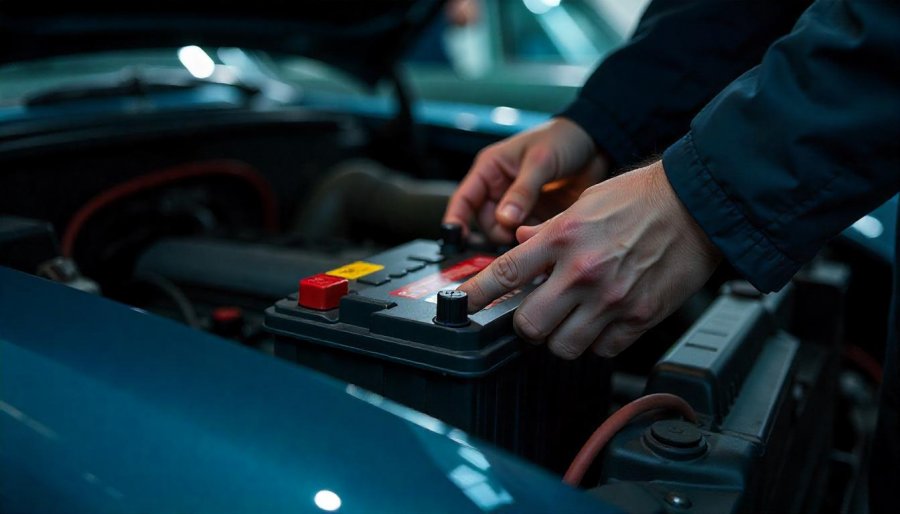
Maintaining your car battery effectively means establishing simple routines that keep it in top shape without hassle. Regular inspections are quick and straightforward—every few months, take a moment to check the terminals for any signs of corrosion or looseness. Tighten connections as needed, making sure the battery is securely fastened in its tray. These small steps prevent many common issues that can cause starting problems or electrical glitches, especially in extreme weather conditions when batteries are under extra stress.
Using a basic voltmeter to monitor your battery’s health is one of the best ways to stay ahead of potential problems. When the engine is off, aim for a reading close to 12.6 volts, which indicates a fully charged battery. If your readings drop below 12.4 volts, it’s a sign that your battery’s capacity is diminishing. Checking the voltage periodically—before long trips or during cold snaps—can alert you to problems before they leave you stranded. This simple habit saves time, money, and the inconvenience of unexpected breakdowns.
Keeping the terminals clean is equally important. Corrosion around the posts can block electrical contact and cause weak starting or poor performance. A mixture of baking soda and water, combined with a wire brush, quickly removes buildup and restores good conductivity. Incorporate this cleaning into your routine every few months or whenever you notice sluggish engine starts or dimming lights. Maintaining clean, tight connections ensures your vehicle’s electrical system runs smoothly and reduces wear on the battery over time.
Don’t overlook the importance of securing your battery properly. Vibrations from daily driving, rough roads, or extreme weather can loosen connections or cause internal damage. Regularly check that the brackets and clamps hold the battery firmly in place. A snug, secure fit prevents vibrations from jarring internal plates or causing internal damage, which can lead to sudden failure. Proper fastening is a simple but effective way to extend your battery’s lifespan and keep your vehicle reliable, no matter the terrain or conditions.
Finally, visually inspect the battery case for any signs of damage, such as cracks, leaks, or swelling. Damage to the case indicates internal issues like overheating or chemical leaks, which can result in sudden failure or safety hazards. After rough drives or during seasonal changes, give the battery a quick look to catch these signs early. Addressing physical damage promptly not only prevents safety risks but also saves money by avoiding unexpected breakdowns. With these straightforward maintenance steps, you can ensure your vehicle remains dependable and ready to go whenever you need it.