Underground street racing is more than just a pursuit of speed; it’s a powerful culture rooted in loyalty, brotherhood, and shared resilience. As engines thunder through city streets illuminated by neon lights, racers form unbreakable bonds forged through nights of competition, mechanical repairs, and facing danger together. This scene is a rebellion against mainstream racing, emphasizing trust and support that transcend individual pursuits. Originating from post-World War II defiance, the community has evolved into organized crews that operate like families—sharing advice, celebrating victories, and protecting each other from external threats. Despite legal risks and societal judgments, the core values of kinship endure, driven by emotional ties that sustain the scene’s vitality. With advances in technology and shifting dynamics, these relationships remain the true engine of underground racing, proving that speed is only part of the story—its heart beats in the unbreakable bonds of brotherhood that continue to thrive amid change.
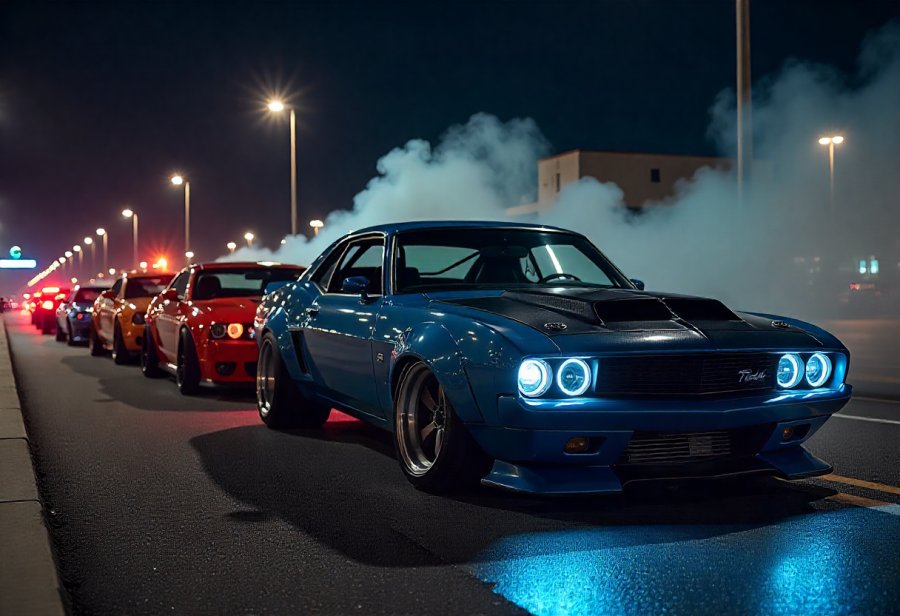
Underground Street Racing: A Brotherhood of Speed and Loyalty
Underground street racing isn’t just about speed; it’s a culture built on brotherhood and fierce competition. As engines roar into the night and city lights flicker overhead, a tight-knit community emerges—driven by shared passion and unspoken trust. These racers see more than just their cars; they see family, forged through countless nights of racing, mechanical work, and facing danger side by side.
This scene is a rebellion against the mainstream racing world, carving out a space where loyalty matters more than permits or regulations. The streets become a proving ground, not only for vehicles but for relationships rooted in respect and support. Drivers develop unspoken codes—standing by each other in setbacks, celebrating victories as a team, and shielding one another from legal trouble. It’s this shared purpose that transforms solitary pursuits into collective experiences.
The roots of underground racing stretch back decades, to a time when enthusiasts began pushing their cars beyond factory limits in garages and abandoned lots. Originally driven by youthful defiance and a desire for freedom, these races grew into a global subculture. Films like “The Fast and the Furious” amplified this appeal, emphasizing themes of loyalty, style, and rebellion that resonate with those involved.
Over time, the community evolved from informal gatherings to more organized crews. Members rely on encrypted messaging to coordinate clandestine events, maintaining secrecy while fostering a sense of trust. These groups often function like families, with roles assigned to drivers, mechanics, and supporters, each contributing to the collective identity.
Despite external pressures and legal risks, the sense of brotherhood remains strong. Loyalty isn’t just a word—it’s a way of life. The bonds formed in the heat of competition, through late-night repairs and shared victories, create a resilient community that endures. Underground street racing continues to thrive because of these relationships, proving that speed is only part of the story; the real engine is the unbreakable kinship that fuels it.
Roots of Rebellion: The Origins and Evolution of Street Racing Communities
Street racing’s origins trace back to the post-World War II era, when young enthusiasts began pushing their cars beyond factory limits in garages and abandoned lots. It started as a rebellious act—drivers seeking to test their skills and their vehicles outside the constraints of official tracks. These early clandestine races often took place in deserted streets or industrial zones, fueled by youthful defiance and a shared love of speed. Over the decades, especially during the 1960s and 70s, these spontaneous events grew in popularity across cities worldwide.
Media played a significant role in shaping the culture, with movies like “The Fast and the Furious” glamorizing street racing and turning it into a symbol of freedom and rebellion. These stories emphasized not just the thrill of racing but also the bonds of loyalty and brotherhood that formed in secret. As a result, tight-knit communities emerged around these underground scenes, built on trust, shared purpose, and a common passion for speed.
Initially, racers relied heavily on word-of-mouth and encrypted messaging apps to organize their events, carefully avoiding law enforcement’s watchful eyes. Over time, some crews began formalizing their activities, establishing specific locations and routines. While still illegal, these organized gatherings allowed for larger, more structured races, fostering a deeper sense of community. Members supported each other through the risks, sharing mechanical tips and strategies that strengthened their bonds.
The structure of these groups often resembles a family. Crews include drivers, spotters, mechanics, and supporters—each with their own role but united by loyalty. Rituals like celebrating wins or analyzing mistakes reinforce trust and camaraderie. Supporting one another through setbacks, offering mechanical help, or sharing advice is woven into the fabric of their relationships, turning racing into a collective effort.
Today, street racing communities are more organized than ever. Many coordinate through encrypted social media platforms, blending underground roots with semi-legitimate events that aim to reduce risks without losing their core spirit. Despite technological and legal challenges, the foundational values—trust, loyalty, kinship—remain central. These relationships go beyond the asphalt, shaping identities and fostering resilience against external pressures.
What keeps this culture alive is the unbreakable bonds formed in the heat of competition and mechanical repair. These relationships extend into personal lives, creating a sense of belonging that many find nowhere else. Loyalty isn’t just a word; it’s a way of life that supports the community through legal threats, conflicts, and change.
In essence, the history of street racing reveals how rebellion and passion can evolve into a shared culture rooted in kinship. Its roots in defiance have matured into a network of relationships that transcend the cars and races, driven by trust and resilience. As the scene faces new opportunities and challenges, these foundational bonds ensure that the spirit of underground street racing endures—an unbreakable kinship built on shared speed and loyalty.
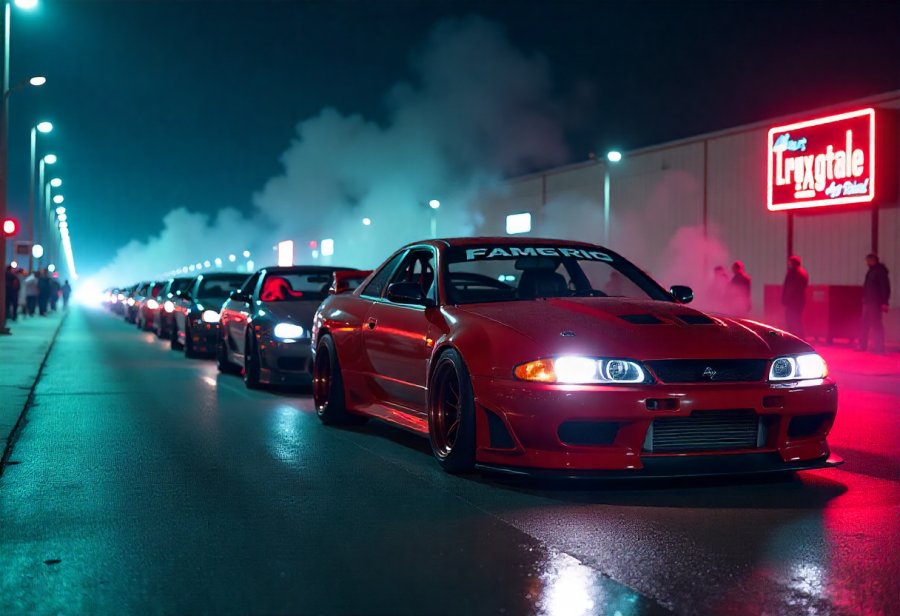
Modern Brotherhoods: Loyalty and Trust in Today’s Street Racing Scene
Today, underground street racing continues to thrive on loyalty and brotherhood, even as the scene faces new challenges. Many racers see these late-night runs not just as adrenaline-fueled escapes but as vital connections to a community that values trust, support, and shared identity. Despite its illegal reputation, the culture persists because of these deep bonds, with crews often describing their members as family, standing by each other through setbacks and police raids alike.
While outsiders might dismiss street racing as reckless, those within the scene emphasize respect and responsibility as core principles. Racing becomes more than just competing; it’s about supporting one another—helping a teammate repair their car, sharing advice, or providing moral support during tense moments. These acts of loyalty build trust and resilience, strengthening the community even under external pressures. The bonds formed in these moments often extend beyond racing, creating a sense of kinship that endures through life’s ups and downs.
Media portrayals, especially movies like “The Fast and the Furious,” have played a significant role in shaping perceptions of street racing. These stories highlight themes of family and unbreakable bonds, resonating deeply with enthusiasts. Social media has amplified this sense of camaraderie, with videos, memes, and online discussions showcasing crew loyalty, street races, and car modifications. These platforms connect local scenes to a global audience, fostering a shared culture rooted in mutual support and passion.
Despite increasing risks and crackdowns, many crews now organize more carefully, using encrypted chats and social media to coordinate events discreetly. Some communities are pushing for semi-legitimate races that balance the rebellious spirit with safety and legality. Technology becomes a tool to preserve the core values—trust, loyalty, and kinship—making the scene more sustainable without losing its authentic brotherhood. This careful balance helps keep the culture alive and relevant amid changing times.
For many racers, loyalty extends beyond the asphalt. Their crews are like family, offering support in personal struggles and celebrating milestones together. These relationships, built through shared risks and victories, create a sense of belonging that helps them withstand external threats. The emotional core of brotherhood fuels their resilience, ensuring that even as the scene evolves, the deep bonds of kinship remain intact and vital.
Looking ahead, the future of street racing brotherhood will blend tradition with innovation. Advances in technology and shifts toward semi-legitimate events aim to sustain the culture while reducing dangers. What remains constant is the importance of trust and mutual support—values that turn speed into a shared legacy. As long as loyalty stays at the heart of these communities, underground street racing will continue to be more than just fast cars; it’s a resilient, unbreakable kinship built on unshakable bonds.
Getting Involved: Practical Steps to Join and Respect the Racing Culture
Getting involved in street racing culture responsibly starts with doing your homework. Begin by connecting with online forums or local car clubs that focus on vehicle modifications and safety. These communities share valuable tips on responsible tuning, driving techniques, and community norms. Attending legal car meets or shows offers a safe way to observe experienced enthusiasts firsthand, ask questions, and understand the unspoken rules. Watching from a distance and engaging with respect helps you learn without crossing any lines.
Building relationships with seasoned members makes a big difference. Many experienced racers are happy to share their knowledge, teach you about proper car maintenance, and explain the importance of loyalty and support that define their community. Showing respect and a genuine interest helps you earn trust and integrate more smoothly. Remember, this culture is rooted in trust; rushing or behaving recklessly can damage your reputation and the bonds you’re trying to build.
Online resources are your best allies for deepening understanding without unnecessary risk. Reputable forums, social media groups, and dedicated websites like Reddit’s r/cars or SpeedHunters offer tutorials, community stories, and advice that highlight core values like loyalty and camaraderie. These platforms also promote safety and ethics, which are crucial for responsible participation. Engaging regularly with these communities helps you learn the language, customs, and expectations that keep brotherhood alive.
During races, crew members play vital roles beyond just driving. Spotters communicate silently through signals or radios, guiding the driver and maintaining safety. After a race, teammates come together to celebrate or analyze what happened, reinforcing trust and shared purpose. Acts like warning a teammate about mechanical issues or police presence exemplify acts of loyalty rooted in brotherhood. These moments reveal how support and trust are woven into every aspect of racing.
Preparation is key. Rushing into a race without proper planning—whether it’s technical adjustments, understanding your vehicle’s limits, or coordinating with your crew—can lead to accidents and harm relationships. Loyalty means supporting each other through every step, including safety checks and technical details. Patience and respect for the community’s standards help keep racing safe and sustainable, strengthening bonds and ensuring everyone’s well-being.
Building knowledge and trust with your crew creates a stronger, more responsible racing brotherhood. Respectful engagement and a focus on safety foster an environment where loyalty thrives. Supporting each other through mechanical work, setbacks, and victories turns casual enthusiasts into a cohesive family. These relationships, forged through shared experiences, form the emotional core that sustains the culture beyond just the thrill of speed.
Ultimately, engaging with street racing culture responsibly means embracing its values of trust, loyalty, and mutual support. By staying committed to safety, respect, and continuous learning, you help preserve the integrity of this community. A responsible approach ensures that the bonds of brotherhood grow stronger, allowing the culture to evolve without losing its core essence. Speed is exciting, but the true power lies in the unbreakable relationships that make street racing more than just a high-octane pursuit—it’s a shared legacy of kinship and resilience.
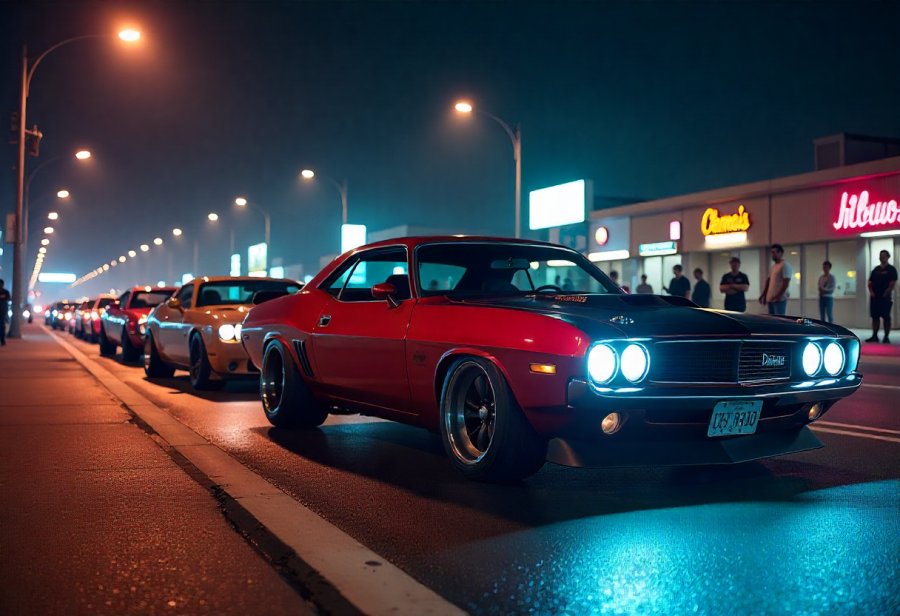
Future of Fuel and Friendship: Maintaining the Spirit of Underground Racing
Street racing brotherhood extends far beyond the rush of engines and midnight escapes; it embodies a set of values that deeply resonate within its community. Loyalty, resilience, and shared passion weave a fabric of trust that turns individual drivers into a tight-knit family. These bonds are built through countless nights of racing, mechanical repairs, and facing danger together—forming relationships that withstand external pressures like law enforcement crackdowns or societal misconceptions. It’s this emotional core that keeps the scene alive, adaptable, and fiercely committed to its roots.
Looking ahead, the future of street racing brotherhood will likely blend tradition with innovation. Advances in technology, such as encrypted communication tools and semi-legitimate racing events, are shaping how crews organize and support each other while striving to reduce risks. Many groups are finding ways to uphold their core values—trust, loyalty, kinship—within a safer, more sustainable framework. This balance between rebellion and responsibility helps ensure the culture’s survival, allowing it to evolve without losing its essential spirit.
Despite the challenges, the emotional ties formed through shared experiences remain the heartbeat of this community. For many, racing is more than a pursuit of speed; it’s a way to belong to something greater. The nights spent repairing cars, celebrating victories, or supporting a teammate in tough times foster a sense of kinship that endures beyond the asphalt. These relationships become a source of resilience, giving members strength to withstand legal threats, internal conflicts, and societal judgment.
The strength of this culture lies in its ability to adapt while holding onto its core values. As new generations take the wheel, the foundation of trust and brotherhood continues to be the driving force. It encourages responsible engagement and opens dialogue about safety and community support, ensuring that the bonds of kinship grow even stronger over time. In this way, the spirit of underground street racing isn’t just about speed—it’s about forging a legacy rooted in loyalty, resilience, and unbreakable bonds.
In the end, the unshakable relationships formed in the heat of the night define what underground street racing truly is: a resilient kinship built on shared passion and mutual support. These bonds fuel the community’s endurance, allowing it to thrive amid change and challenge. As long as loyalty remains at its core, this culture will continue to evolve—driven not just by horsepower, but by the strength of its unbreakable brotherhood.