In today’s fast-paced business environment, customized telephony solutions are no longer a luxury but a necessity for maximizing communication efficiency. Grandstream’s innovative devices—ranging from intuitive IP phones to scalable GRP Series models—offer organizations the flexibility to tailor their systems precisely to their workflows. With centralized management tools like GDMS, deploying and maintaining these devices becomes seamless, even across multiple locations. But are you truly leveraging the full potential of these advanced solutions? As future trends like 5G, AI-driven analytics, and cloud-based platforms revolutionize connectivity, staying ahead requires strategic planning and ongoing innovation. This evolving landscape promises more reliable, smarter, and more personalized communication—so, will your organization adapt quickly enough to harness these breakthroughs? Embracing these advancements today can turn a simple utility into a strategic asset, ensuring your business remains connected, responsive, and competitive in an increasingly digital world.
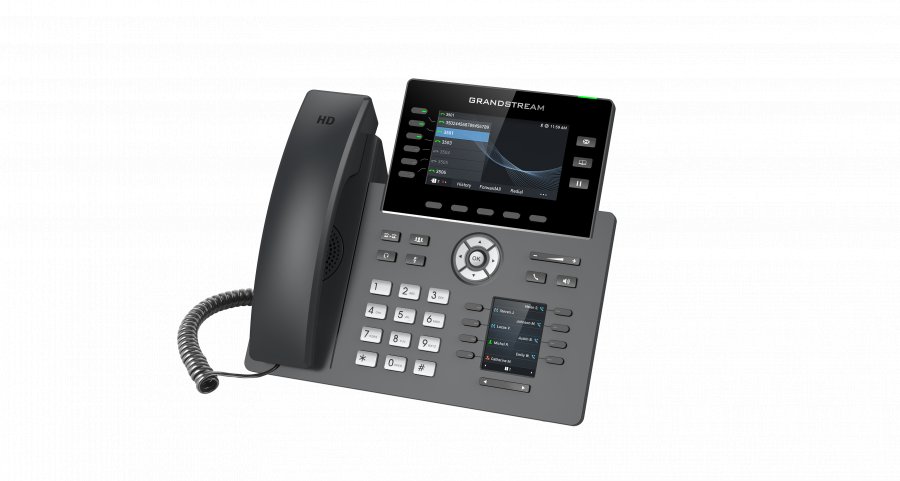
Transform Your Business Communication with Customized Telephony Solutions
In today’s busy business landscape, clear and reliable communication is more than just a convenience—it’s essential for success. Companies are no longer satisfied with generic phone systems; instead, they seek solutions tailored to their unique workflows and growth ambitions. Customized telephony systems offer the flexibility to select devices and features that truly match an organization’s needs, transforming everyday calls into strategic assets.
Understanding your team’s specific requirements is the first step toward effective customization. Consider factors like the number of users, call volume, and the types of interactions your staff handle daily. Do they need features such as call forwarding, voicemail, or conference calling? By pinpointing these essentials early, you can craft a system that enhances productivity while avoiding unnecessary expenses or complications.
Device selection plays a crucial role in this process. Grandstream’s diverse lineup of IP phones provides options suitable for any organization, from compact models for front-line staff to high-end devices for executive teams. These phones come equipped with high-definition audio, support for multiple lines, and customizable keys—features designed to streamline communication and reduce daily frustrations. Their intuitive interfaces ensure that even new users can operate them confidently, minimizing training time and accelerating adoption.
For larger deployments, Grandstream’s GRP Series stands out as a reliable, scalable solution. Designed for mass provisioning, these phones can be centrally managed via tools like GDMS, allowing IT teams to configure, monitor, and update hundreds or thousands of devices remotely. This centralized approach simplifies deployment, maintains uniform settings across locations, and reduces the risk of errors—all vital for fast-growing or geographically dispersed organizations.
Deployment itself benefits from strategic planning. Starting with a pilot program enables your team to test configurations, gather feedback, and make adjustments before a full rollout. Using management platforms like GDMS speeds up tasks such as firmware updates and troubleshooting, ensuring minimal disruption. Clear documentation and staff training further smooth the transition, fostering confidence and encouraging quick adoption of the new system.
But the work doesn’t end once your telephony system is live. Regular maintenance, firmware updates, and network monitoring keep everything running smoothly. Training staff on new features maximizes their productivity, while ongoing vendor support helps you stay ahead of potential issues or opportunities. This continuous management ensures your customized system remains resilient, efficient, and aligned with your evolving needs.
Ultimately, tailored telephony solutions turn a basic communication tool into a strategic advantage. When your system reflects your organization’s unique requirements, you unlock greater efficiency, better user experiences, and the flexibility to grow. By choosing the right devices and deploying them thoughtfully, you set the stage for a future-proof communication infrastructure that keeps your business connected, responsive, and competitive.

Discover the Power of Grandstream Devices and Technologies
Grandstream offers a versatile lineup of telephony devices designed to meet the diverse needs of modern businesses, making customized communication solutions more accessible than ever. Their IP phones combine sleek, professional design with advanced features like high-definition audio, support for multiple lines, and programmable keys, allowing staff to manage calls efficiently and comfortably. These devices are intuitive to operate, ensuring that employees at all levels can quickly adapt, which minimizes training time and accelerates productivity. Compatibility with various VoIP platforms means organizations can seamlessly integrate their existing systems without hassle.
For larger deployments, the Grandstream GRP Series stands out as a robust, carrier-grade option. These phones are engineered for mass provisioning, offering centralized management capabilities through tools like Grandstream’s Device Management System (GDMS). This setup enables IT teams to configure, monitor, and update thousands of devices remotely from a single interface, reducing deployment time and ensuring consistency across multiple locations. The scalability and control provided by the GRP Series simplify expansion efforts and help maintain a uniform user experience regardless of how many devices are rolled out.
Call quality is a top priority in any telephony system, and Grandstream’s devices are equipped with features that optimize network performance. Support for Quality of Service (QoS) settings allows voice traffic to take precedence over other data, preventing latency and call drops during busy periods. Proper bandwidth management and VLAN configurations further enhance call clarity by segregating voice data for maximum stability. Regular firmware updates and built-in network monitoring tools help maintain peak performance, ensuring conversations remain clear and reliable even in demanding environments.
Beyond hardware, Grandstream emphasizes flexibility and customization. Devices can be tailored to specific workflows by assigning dedicated lines, creating personalized ringtones, or setting up custom voice prompts. Cloud management via GDMS makes remote configuration, firmware updates, and troubleshooting straightforward, eliminating the need for on-site visits and reducing downtime. This level of control enables organizations to craft communication environments that align precisely with their operational needs, whether supporting remote teams or integrating with customer management platforms.
As technology continues to evolve, Grandstream remains at the forefront by incorporating cloud integration, AI features, and future-ready hardware. Cloud-managed devices simplify deployment and ongoing maintenance, providing real-time performance insights and swift updates. Upcoming innovations like AI-powered speech analytics and transcription services promise to turn voice interactions into valuable insights, enhancing customer engagement and operational efficiency. With their focus on adaptability and scalability, Grandstream’s devices and solutions empower businesses to build smarter, more resilient telephony infrastructures that grow with them, ensuring they stay connected and competitive in an ever-changing digital landscape.
Step-by-Step Guide to Implementing Tailored Telephony Systems
Designing a tailored telephony system begins with a clear understanding of your organization’s specific needs. Start by evaluating the number of users, the types of calls handled daily, and the essential features like call forwarding, voicemail, or conference calling. This foundational step helps you select devices and deployment strategies that align perfectly with your workflows and growth plans, avoiding unnecessary costs and ensuring maximum efficiency from the outset. A well-defined plan minimizes surprises during rollout and sets the stage for a smooth transition.
Once you’ve identified your core requirements, choosing the right devices becomes crucial. Grandstream’s diverse range of IP phones offers versatile options—whether you need compact models for front-line staff or high-end devices for management teams. These phones support multiple lines, high-definition audio, and programmable keys that streamline call management. Their intuitive interfaces enable quick adoption, reducing training time and boosting productivity. For larger deployments, the Grandstream GRP Series provides a scalable, carrier-grade solution that simplifies management through centralized tools like GDMS.
Deployment should follow a strategic, phased approach that emphasizes scalability and minimal disruption. Initiate with a pilot program to test configurations, gather user feedback, and refine your setup. Using centralized management platforms like GDMS accelerates this process, allowing remote configuration, firmware updates, and troubleshooting across hundreds or thousands of devices. Proper planning, combined with clear documentation and user training, ensures staff are comfortable with the new system, encouraging rapid adoption and consistent usage across all locations.
Ongoing management is vital to keep your telephony system running smoothly. Regular firmware updates, network monitoring, and proactive troubleshooting prevent issues before they impact communication. Training staff on new features maximizes their ability to utilize the system effectively, enhancing overall productivity. Maintain close relationships with your support providers to stay informed about new features, security patches, and best practices. This continuous oversight transforms your telephony infrastructure from a simple utility into a reliable, scalable backbone that adapts seamlessly to your evolving needs.
A well-implemented, customized telephony system becomes a strategic asset that enhances communication efficiency and supports organizational growth. By planning carefully, selecting the right devices, and managing them proactively, you create a resilient, flexible infrastructure capable of meeting current demands and future challenges. This approach not only improves daily operations but also lays the foundation for innovative integrations and smarter communication practices that keep your business connected, agile, and competitive in today’s fast-changing digital landscape.

Stay Ahead with Future Trends and Innovations in Telephony
The future of telephony is set to be transformed by rapid technological advancements that will redefine how businesses communicate. 5G connectivity promises to dramatically reduce latency and increase reliability, even in high-demand environments. This means clearer, more stable voice and video calls, with fewer drops and interruptions—crucial for organizations that rely on real-time communication to stay competitive. As these networks become more widespread, expect a new level of seamless interaction that supports remote work, global collaboration, and instant decision-making.
Artificial intelligence is already making waves in telephony, and its influence will only grow. Smarter call routing, voice recognition, and virtual assistants will handle routine inquiries, transcribe conversations in real time, and analyze speech patterns to provide actionable insights. These AI-driven features can improve customer engagement, reduce wait times, and personalize interactions at scale. As AI continues to evolve, it will unlock new possibilities for understanding customer needs and streamlining internal workflows, making communication smarter and more efficient.
Cloud-based solutions will remain central to future telephony developments. They offer unmatched flexibility, scalability, and ease of management. Organizations will be able to deploy new devices quickly, update features seamlessly, and manage their entire communication infrastructure remotely. This agility allows businesses to adapt rapidly—whether onboarding new teams, expanding to new locations, or integrating with other digital tools like CRM platforms. Cloud management platforms will also facilitate proactive monitoring and maintenance, reducing downtime and operational costs.
Emerging innovations such as AI-powered transcription and speech analytics will become standard features in business telephony. These tools will turn voice data into valuable insights, helping organizations gauge customer sentiment, identify bottlenecks, and optimize call flows in real time. Virtual assistants embedded within communication systems will empower employees to manage calls more efficiently, freeing them to focus on high-value tasks. This shift toward smarter, more personalized communication will elevate both internal collaboration and customer experiences.
Unified communications platforms that combine voice, video, chat, and collaboration tools into a single interface are poised to become the norm. This integration simplifies workflows, reduces the need for multiple applications, and ensures teams stay connected regardless of their location. As remote and hybrid work models become standard, having a flexible, all-in-one communication environment will be essential for maintaining productivity, fostering collaboration, and preserving company culture across dispersed teams.
Staying ahead in this fast-changing landscape requires ongoing engagement with emerging technologies. Businesses should keep an eye on industry updates, participate in webinars and trade shows, and explore vendor innovations. Investing in future-proof hardware and cloud solutions now positions organizations to adopt new features quickly and maintain a competitive edge. Developing a culture of continuous learning around technological advancements ensures teams can leverage new tools effectively and adapt seamlessly to ongoing changes.
Organizations that embrace these innovations early will gain significant advantages. Smarter, more responsive networks will support growth, improve operational efficiency, and enable personalized customer interactions. By integrating AI, 5G, and cloud platforms into their telephony infrastructure, businesses can build resilient, scalable systems that drive long-term success. Staying informed and investing strategically today sets the foundation for a future where communication becomes a strategic asset—fueling innovation, enhancing satisfaction, and keeping organizations ahead of the curve.