Beyond Hollywood’s glamorous image lies the true essence of Cleopatra VII—a formidable scholar-queen whose leadership was rooted in her intellect, strategic mastery, and diplomatic finesse. This compelling portrayal challenges the myth of her as a mere seductress, revealing a ruler who mastered multiple languages, fostered Alexandria’s renowned library, and skillfully navigated complex alliances with Julius Caesar and Mark Antony. Her legacy is not defined by superficial beauty but by her resilience, cultural stewardship, and visionary leadership. How did a woman of her time leverage scholarship, symbolism, and diplomacy to preserve Egypt’s independence amid an expanding Roman Empire? Her story is a testament to the enduring power of intelligence and foresight, reminding us that true influence stems from resilience and strategic thinking. Cleopatra’s life exemplifies how leadership rooted in knowledge and cultural pride can leave a lasting legacy—one that continues to inspire resilience, wisdom, and innovation in leadership today.
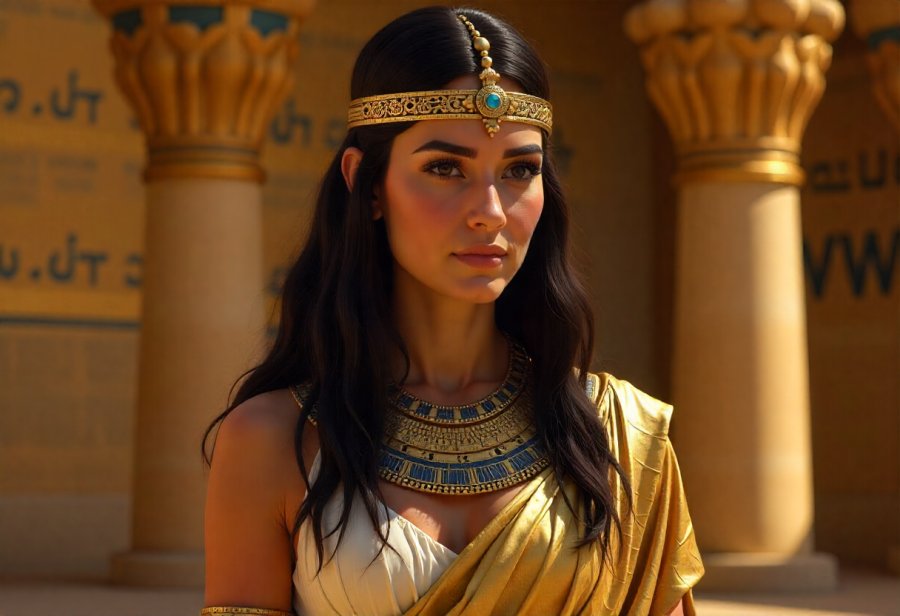
Unveiling Cleopatra’s True Power: Intelligence and Political Mastery
Cleopatra VII is often remembered through Hollywood glamour and romantic stories, but her true legacy runs much deeper. She was a leader whose strength came from her intelligence, strategic thinking, and political skill. Rather than relying on superficial charm, Cleopatra was a highly educated woman who mastered diplomacy and statecraft. Her ability to navigate Egypt’s complex political landscape, forge powerful alliances with Roman leaders like Julius Caesar and Mark Antony, and maintain her kingdom’s independence showcases a ruler who relied on her mind more than mere looks.
Her leadership was rooted in a profound understanding of her own culture and the wider world. Born into the Macedonian Greek Ptolemaic dynasty, Cleopatra received an education in mathematics, philosophy, rhetoric, and multiple languages. This intellectual foundation allowed her to communicate directly with foreign diplomats, scholars, and leaders, strengthening her diplomatic position. Her multilingualism and scholarly pursuits set her apart from many of her contemporaries, enabling her to craft nuanced strategies that balanced Egyptian traditions with Hellenistic influences.
Cleopatra’s true power lay in her ability to combine intelligence with pragmatic politics. She understood that alliances and diplomacy were essential for Egypt’s survival amid the expanding Roman Empire. Her relationships with Julius Caesar and Mark Antony weren’t driven by vanity, but by carefully calculated political moves. These alliances helped stabilize her reign and safeguard Egypt’s sovereignty, demonstrating her mastery of statecraft and her ability to adapt to shifting circumstances.
Throughout her reign, Cleopatra employed symbolism, propaganda, and strategic diplomacy to reinforce her authority. She used royal imagery, religious iconography, and public displays to project divine legitimacy and strengthen her position. Her leadership was characterized by resilience and foresight, showing a ruler who thought ahead and managed complex relationships with skill. Her legacy is not simply about her historical feats but about her embodiment of leadership driven by intellect and strategic mastery.
The Genius of Cleopatra: Scholarship, Diplomacy, and Strategic Leadership
Cleopatra was more than just a royal figure; she was a true scholar-queen whose intelligence shaped her leadership. Her education was extensive, covering philosophy, mathematics, rhetoric, and multiple languages, making her stand out among her peers. This deep learning allowed her to engage directly with scholars, diplomats, and foreign leaders, giving her a significant diplomatic advantage. Her fluency in Egyptian, Greek, Latin, and other languages enabled her to communicate without intermediaries, fostering trust and respect on the international stage.
Her diplomatic finesse went hand in hand with her strategic thinking. Cleopatra understood that alliances were vital for Egypt’s survival, especially as Rome’s power expanded. Her relationships with Julius Caesar and Mark Antony were carefully crafted political moves, not mere personal affairs. She used symbolism, shared interests, and strategic marriages to strengthen her position and project power. These alliances helped stabilize her reign during turbulent times, demonstrating her ability to adapt to shifting political landscapes.
Beyond diplomacy, Cleopatra was a patron of the arts and scholarship. She actively supported Alexandria’s renowned Library and Museum, transforming them into vibrant centers of learning. Her personal interest in philosophy and rhetoric, which she studied herself, reinforced her image as a ruler who valued wisdom and education. Cleopatra believed that knowledge was a form of power that could elevate her kingdom and legitimize her authority.
Her strategic use of propaganda and symbolism also played a crucial role in maintaining her influence. Cleopatra mastered royal imagery, religious iconography, and public displays to reinforce her divine legitimacy. She understood the importance of perception in leadership, carefully shaping her image to inspire loyalty and command respect. This skillful management of her cultural and political persona allowed her to navigate complex internal and external challenges effectively.
Her diplomatic relationships with Rome’s leading figures were marked by subtlety and insight. Cleopatra knew when to negotiate, assert her authority, or use cultural symbols to her advantage. Her alliances with Caesar and Antony were not just about military or political support—they were also about projecting strength and influence across the Mediterranean. Her mastery of statecraft made her a leader who combined intellect with pragmatic action.
Cleopatra’s leadership was rooted in her remarkable balance of scholarship and political savvy. She used her knowledge, diplomatic skill, and cultural understanding to craft a resilient and adaptive reign. Her strategic alliances, intellectual pursuits, and symbolic gestures weren’t merely survival tactics—they reflected a broader vision of leadership based on resilience, wisdom, and foresight. Her brilliance lay in her ability to think ahead and manage multiple layers of power simultaneously.
What sets Cleopatra apart is her recognition that true leadership hinges on wisdom and strategic foresight. She understood that cultural influence and diplomacy could be more effective than brute force. Her mastery of language, scholarship, and symbolism allowed her to project strength and legitimacy, even in the face of overwhelming odds. Her legacy is a testament to the power of intelligence and resilience in shaping history.
Today, Cleopatra’s story continues to inspire as a leader who exemplified the importance of intellect in governance. Her ability to merge scholarship with diplomacy made her an enduring symbol of leadership rooted in knowledge and adaptability. Her life reminds us that lasting influence depends on resilience, strategic thinking, and cultural mastery—qualities that remain vital in today’s complex world. Cleopatra’s true power was her mind, and her legacy endures as a shining example of what it means to lead with intelligence and vision.
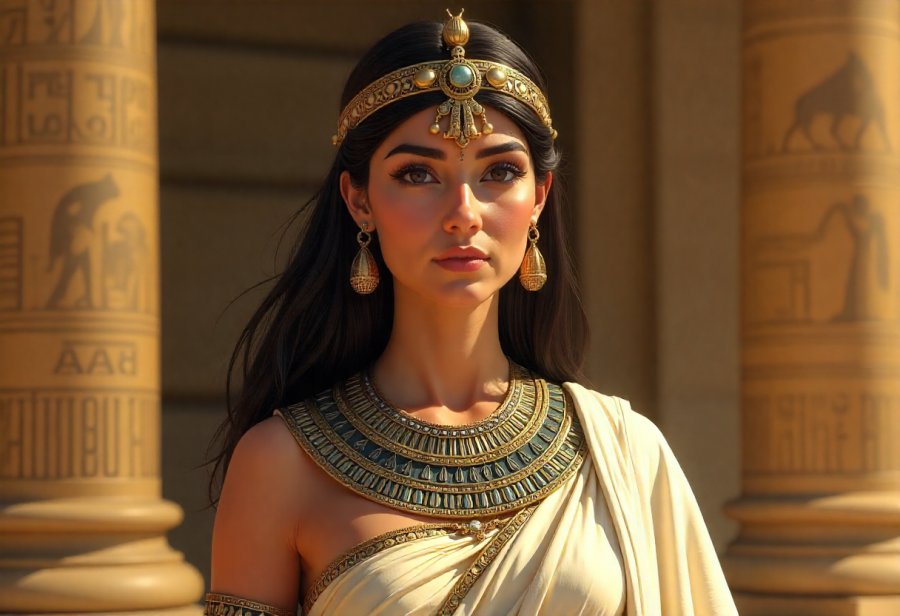
Beyond Myth: Recognizing Cleopatra as a Resilient and Strategic Stateswoman
For centuries, Cleopatra’s image has been shaped by myths and Hollywood portrayals that emphasize her as a seductress and romantic figure. These stories often overshadow her true role as a powerful and strategic leader. In reality, Cleopatra was a highly educated and pragmatic ruler who relied on her intelligence and diplomatic skills to steer Egypt through turbulent times. Her alliances with Julius Caesar and Mark Antony weren’t driven by vanity or romance—they were carefully calculated political moves aimed at preserving her kingdom’s independence.
Many popular depictions focus on her beauty and charm, suggesting her influence was rooted in her looks. But Cleopatra was a multilingual scholar, fluent in Egyptian, Greek, Latin, and other languages, which allowed her to communicate directly with foreign leaders and scholars. Her support for Alexandria’s legendary library and her own pursuit of philosophy and rhetoric show a ruler who valued wisdom and knowledge above superficial allure.
Her relationships with Caesar and Antony are often portrayed as romantic entanglements, yet they were strategic alliances designed to safeguard Egypt’s sovereignty. Cleopatra understood that her power relied on negotiation, symbolism, and political acumen—not seduction alone. She used her diplomatic finesse to project strength and influence across the Mediterranean, making her a formidable stateswoman rather than a mere temptress.
In recent scholarship, her image has shifted away from that of a victim or seductress. Today, historians recognize her as a resilient, intelligent leader who mastered statecraft and cultural diplomacy. Her multilingualism, scholarly pursuits, and political insight reveal a woman who knew that lasting power came from her mind, not her charm. This view reshapes her legacy from superficial fascination to genuine respect for her strategic brilliance.
Western art and media have long perpetuated the myth of Cleopatra as a symbol of beauty and seduction. But her true legacy lies in her ability to use her intellect and strategic thinking to shape her destiny. Her mastery of diplomacy, symbolism, and cultural influence allowed her to maintain authority and respect, proving that her strength was rooted in her leadership and resilience. Recognizing this shifts the narrative from surface allure to admiration for her as a capable, resilient stateswoman.
Reexamining Cleopatra’s talents and leadership qualities reveals a ruler who used her intelligence, cultural mastery, and strategic foresight to carve out a lasting legacy. Her story challenges us to look beyond myth and recognize the depth of her abilities. Cleopatra’s true power was in her mind—a testament to the enduring influence of resilience, wisdom, and strategic thinking. Her life underscores that leadership rooted in intellect and cultural pride can leave a mark far greater than superficial charm or fleeting glamour.
Cultural Patronage and Intellectual Prowess: Cleopatra’s Role as a Scholar-Queen
Cleopatra’s influence extended far beyond her political maneuvers; she was a passionate advocate for scholarship and cultural growth. As ruler of Alexandria, she recognized that fostering intellectual pursuits was vital not only to Egypt’s identity but also to her own legacy. Her unwavering support for the Library of Alexandria, one of the ancient world’s greatest centers of learning, helped cement its reputation as a hub of knowledge and innovation. By actively backing scholars, scientists, poets, and philosophers, she created an environment where ideas flourished and discoveries thrived.
Her personal dedication to education was evident in her own pursuits. Fluent in several languages, including Egyptian, Greek, and Latin, Cleopatra studied philosophy, rhetoric, and mathematics herself, embodying the values she promoted. Her curiosity was genuine and strategic—she understood that a well-educated ruler could better serve her people and strengthen her kingdom’s standing. Her involvement in scholarly activities reinforced her image as a leader who prioritized wisdom and cultural advancement.
Cleopatra’s patronage extended to Alexandria’s renowned institutions, transforming them into vibrant centers of intellectual exchange. She worked tirelessly to keep the Library and related research centers vibrant, supporting research, debate, and the preservation of knowledge. Her efforts helped preserve Egypt’s rich cultural traditions while embracing new ideas, positioning Alexandria as a beacon of Hellenistic learning and innovation. This cultural stewardship not only elevated Egypt’s prestige but also fostered a sense of pride and resilience among its people.
Her diplomatic strategy intertwined with her cultural leadership. Cleopatra understood that projecting an image of wisdom and learning could legitimize her authority and bolster her influence across the Mediterranean. Alliances with figures like Julius Caesar and Mark Antony often involved shared intellectual interests and exchanges of knowledge, emphasizing her role as a learned woman who valued discourse and cultural diplomacy. These relationships demonstrated that her power was rooted in her intellect and her ability to forge alliances based on shared ideas.
Supporting scholarship was more than a personal passion; it was a deliberate act of statecraft. Cleopatra believed that knowledge and innovation were key to Egypt’s strength and survival amid external threats. By nurturing Alexandria’s scholarly community, she fostered a sense of cultural pride and resilience that endured long after her reign. Her leadership showed that a ruler’s true power lies in cultivating wisdom, supporting arts and sciences, and inspiring intellectual curiosity.
Today, Cleopatra’s legacy as a scholar-queen continues to inspire. She exemplifies how cultural mastery and intellectual curiosity can be powerful tools for leadership. Her example reminds us that fostering knowledge and supporting the arts are essential for building resilient, thriving societies. Cleopatra showed that leadership rooted in learning and cultural pride not only shapes history but also leaves a lasting imprint on the world.

Legacy of Wisdom: Cleopatra’s Enduring Influence as a Leader Driven by Intellect
Cleopatra’s legacy shines brightest when we look beyond the romanticized narratives and focus on her true strength: leadership rooted in intellect and strategic thinking. Her ability to blend scholarship with diplomacy enabled her to steer Egypt through some of its most tumultuous moments, demonstrating that real power comes from knowledge, resilience, and foresight. She understood that influence built on cultural understanding and diplomatic finesse often surpasses brute force or superficial charm, a lesson that remains relevant today.
Her mastery of multiple languages, her support for Alexandria’s legendary library, and her personal engagement with scholars and scientists underscore her commitment to knowledge as a cornerstone of her reign. Cleopatra knew that fostering learning and cultural pride could elevate her kingdom’s stature and project strength on the global stage. Her alliances with Julius Caesar and Mark Antony, frequently viewed through a political lens, were also strategic moves to preserve Egypt’s independence amid the rising tide of Roman imperialism. These relationships were built on mutual respect and shared interests—proof that her influence extended well beyond personal or romantic pursuits.
What sets Cleopatra apart is her recognition that enduring leadership depends on wisdom, adaptability, and strategic vision. She navigated complex political landscapes with a sharp mind and a deep understanding of her cultural roots, managing internal and external threats with resilience and foresight. Her ability to think ahead and manage multiple layers of power made her a formidable figure, not merely a victim of circumstances but an architect of her own legacy.
Today, Cleopatra remains a powerful symbol of leadership driven by intelligence. Her story challenges us to prioritize resilience, knowledge, and cultural pride over superficial allure. She exemplifies how true influence stems from the capacity to think strategically and adapt to changing realities. Her enduring influence reminds us that leadership rooted in the mind can leave a mark far more lasting than fleeting glamour or surface appearances.
Her life encourages modern leaders to value the strength found in learning, cultural mastery, and strategic foresight. Cleopatra’s example underscores that resilience and wisdom, combined with a commitment to knowledge, forge a legacy that withstands the test of time. Her story reaffirms that genuine power lies in the ability to think ahead, adapt, and inspire—traits that continue to shape history and leadership today.
In a world often captivated by spectacle, Cleopatra’s legacy calls us back to the importance of inner strength and clarity of purpose. Her example proves that leadership rooted in intellect and cultural pride can create a lasting impact, inspiring future generations to value resilience, wisdom, and strategic thinking. Her life remains a testament to the idea that true power is in the mind—an inheritance that continues to influence and motivate long after her reign.