Imagine unlocking profound mental and physical wellness through the simple act of running amidst nature’s embrace. This engaging journey explores how trail jogging transcends traditional workouts, offering a restorative escape that invigorates the body and calms the mind. Beyond strengthening muscles and boosting cardiovascular health, outdoor running fosters mindfulness, reduces stress, and deepens our connection to the environment. Historically intertwined with cultural rituals and survival, outdoor running now evolves with modern technology and sustainability efforts, making it more accessible and meaningful than ever. As trends incorporate eco-friendly practices, community initiatives, and innovative tech like augmented reality, could outdoor running become the ultimate pathway to resilience and inner peace? This evolving landscape invites us to reconsider our relationship with nature and our well-being—suggesting that the secret to lasting health may lie just outside our door, waiting to be discovered on every trail.

Rejuvenate Body and Mind through Nature’s Trails
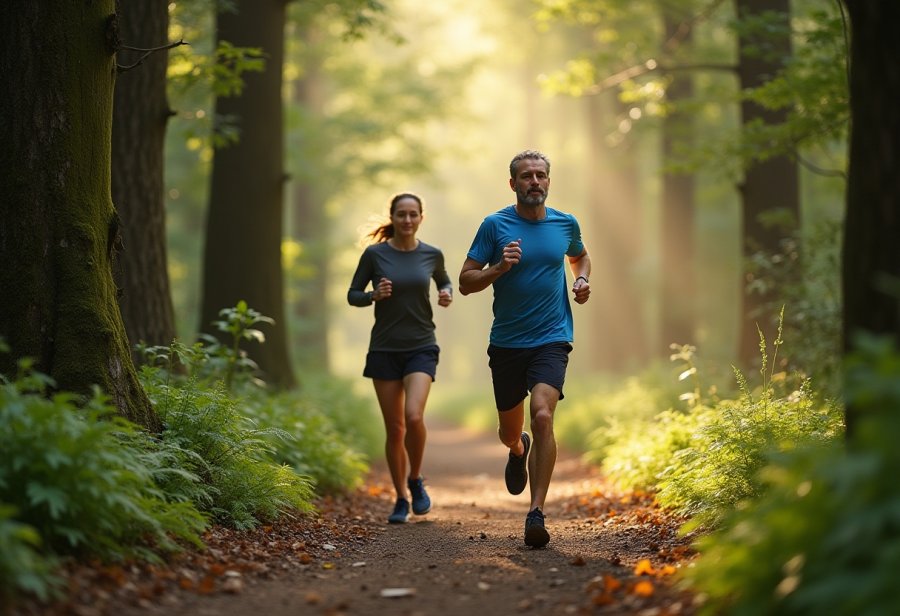
Running in nature offers a refreshing break from the typical indoor routines and city streets. It engages your body in a dynamic way that flat pavement or treadmill workouts often can’t match. Navigating uneven terrain, dodging roots, or balancing on rocky paths challenges muscles and joints differently, helping to build endurance and improve stability. The ever-changing scenery keeps the experience fresh, making it easier to stay motivated over time.
Beyond the physical benefits, being outdoors surrounded by trees, mountains, or open fields has a calming effect on the mind. Running amidst natural settings helps lower stress hormones like cortisol while increasing mood-boosting chemicals such as endorphins. Many runners notice feeling clearer, more focused, and less anxious after just a short trail session. It’s as if nature resets your mental state, allowing you to disconnect from daily worries and find a moment of peace.
This connection with nature also fosters mindfulness. As you breathe in fresh air and tune into your surroundings—listening to birdsong or feeling the breeze—you become more present. This heightened awareness not only sharpens mental clarity but also transforms running into a form of moving meditation. It’s a chance to slow down, reflect, and cultivate a sense of calm that’s often elusive in our busy lives.
The combination of physical exertion and mental relaxation makes trail running a holistic approach to wellness. The natural backdrop turns exercise into an adventure, sparking emotional motivation to keep going. Over time, this practice can foster resilience, boost energy, and deepen your appreciation for the outdoors. It’s a way to nurture both your body and mind, creating a sustainable routine that supports overall health.
In essence, running through natural landscapes isn’t just about burning calories or building strength. It’s about reconnecting with the environment and yourself, turning movement into a restorative experience. Whether you’re new to running or a seasoned athlete, embracing outdoor trails can elevate your wellness journey, offering lasting benefits that go well beyond physical fitness.
Tracing the Roots: The Cultural Legacy of Outdoor Running
Running outdoors has deep roots that stretch back thousands of years, intertwined with humanity’s instinct to move through open landscapes. In ancient cultures, running was more than just a form of exercise; it played vital roles in survival, spiritual rituals, and community bonding. Indigenous peoples around the world used running in sacred ceremonies, hunting expeditions, and social gatherings, forging a profound connection between movement and their environment. These traditions highlight how outdoor running was woven into cultural identities as a way to honor the land and foster social cohesion.
As societies evolved, so did perceptions of outdoor running. The recent surge in health awareness and fitness trends has reignited interest in exercising outside the gym. Trail running, in particular, has gained popularity as a symbol of freedom, exploration, and escaping urban routines. It encourages people to reconnect with nature while challenging their physical limits, transforming from a niche activity into a cultural movement that celebrates resilience and environmental respect.
In the 20th century, organized races and ultramarathons brought outdoor running into the spotlight, emphasizing human endurance amid natural settings. These events helped elevate running from a mere sport to a mental wellness practice, fostering communities that value both physical and emotional health. Advances in gear—like lightweight shoes and GPS technology—made outdoor pursuits more accessible, inviting more people to experience the mental clarity and stress relief that come with running in nature.
Today, outdoor running continues to evolve with a focus on holistic wellness. The environmental movement reinforces the idea that runners are stewards of nature, advocating for sustainable practices and conservation. Many runners see their activity as a form of mindfulness and emotional resilience, deepening their bond with the environment and recognizing how preserving natural spaces enhances their mental health. This ongoing relationship between outdoor movement and cultural values underscores its importance as a timeless tradition.
The cultural significance of outdoor running lies in its adaptability. It offers accessible ways to incorporate wellness into daily life—whether through solitary trail runs or group adventures—linking us to our ancestors’ reverence for land and movement. This tradition continues to support personal growth and social bonds, reminding us that engaging with nature is not just about fitness but also about honoring a shared heritage that values harmony between movement, environment, and well-being.

Modern Movements: Embracing Trends in Outdoor Wellness
Modern approaches to outdoor running have become more diverse and accessible, reflecting a growing understanding of its benefits for both body and mind. Many runners now view trail running not just as a way to stay fit but as a form of mindfulness—an activity that merges physical effort with mental clarity. Guided groups and community programs are gaining popularity, offering motivation, social connection, and an emphasis on environmental awareness. These groups often incorporate breathing exercises, meditation, or ecological education, turning a simple workout into a holistic wellness practice.
Technology plays a key role in shaping current trends. Wearables, GPS watches, and mobile apps help runners plan routes, track progress, and stay motivated. These tools make outdoor running more personalized and manageable, encouraging beginners and seasoned athletes alike to set goals and monitor improvements. Online communities and virtual coaching platforms provide ongoing support, advice, and shared experiences, making outdoor activity more inclusive regardless of location or schedule.
Another emerging trend is the integration of nature immersion practices, such as forest bathing and outdoor mindfulness exercises, alongside running routines. These practices encourage slowing down, tuning into the environment, and experiencing nature through all senses. Many runners now incorporate moments of stillness or deep breathing during their outings, enhancing mental relaxation and emotional resilience. This shift underscores a broader movement toward holistic health, where physical exertion is paired with mental calm and environmental connection.
For many, outdoor routines are becoming small, consistent habits embedded into daily life. Morning jogs, lunchtime trail runs, or evening walks in parks are common ways to incorporate nature into busy schedules. These regular practices help build resilience, reduce stress, and foster a deeper appreciation for the outdoors. Over time, outdoor running transitions from a sporadic activity into a sustainable routine that supports overall well-being.
Challenges such as safety concerns, weather conditions, and limited access to natural spaces can pose barriers, but they are often manageable through planning. Running during daylight, choosing well-maintained trails, and dressing appropriately can mitigate risks. Community initiatives and urban green spaces are also expanding, making outdoor running more accessible and inviting for a broader audience.
Looking ahead, technology and societal focus on holistic health will continue to shape outdoor wellness. Advancements like augmented reality and environmental data integration are making nature experiences more engaging and tailored. Eco-conscious practices and community-led conservation efforts will further promote sustainable engagement with natural spaces, ensuring outdoor running remains a vital part of a health-conscious lifestyle.
As outdoor running evolves, it blends tradition with innovation—creating inclusive, meaningful opportunities for physical movement and mental renewal. These trends promise to deepen our connection with nature, foster community, and support personal resilience, making outdoor wellness an integral part of everyday life.
Step-by-Step Guide to Integrating Trail Running into Your Life
Getting started with outdoor running can seem daunting, but breaking it into simple steps makes the process approachable. Begin by choosing familiar trails or parks nearby that match your current fitness level. Starting with known routes helps build confidence and reduces overwhelm. Dress comfortably in lightweight, moisture-wicking clothes and wear supportive shoes designed for uneven terrain to keep comfortable and prevent injuries. Keep your initial sessions short—around 20 to 30 minutes—and focus on enjoying the environment rather than speed or distance.
Creating a routine is key to making outdoor running sustainable. Incorporate it into your weekly schedule as a morning energizer, a midday break, or an evening unwind. Even a few sessions each week can produce noticeable benefits for your physical and mental health. Over time, regular outings will deepen your connection with nature, boost your confidence, and enhance the mental health advantages. Small, consistent steps build momentum and turn outdoor running into a rewarding habit.
Address common obstacles early on to stay motivated. If safety concerns like uneven ground or wildlife worry you, stick to well-maintained trails and run during daylight hours. Carry essentials such as water, a phone, and a small first aid kit to stay prepared. When weather conditions aren’t ideal, consider adjusting your schedule—early mornings or late evenings often offer cooler, less crowded options—and dress accordingly. Flexibility helps maintain a positive experience and keeps outdoor running a lasting part of your wellness routine.
Personalize your approach based on what motivates you. Join local running groups or outdoor clubs if social support encourages consistency. Alternatively, opt for solo routines if solitude helps you focus and relax. Adjust your gear with layers for colder weather or reflective accessories for safety. Listening to your body, respecting its signals, and pacing yourself ensures each run remains enjoyable and injury-free. The goal is to make outdoor running a positive, restorative experience, not a source of stress.
Remember, outdoor running is more than physical activity; it’s an opportunity to reconnect with nature and yourself. As you become familiar with your environment and your own capabilities, this practice will become a calming, restorative habit. Patience and consistency are your best allies—over time, outdoor running will evolve from a tentative start into a vital part of your wellness journey, offering lasting benefits for both body and mind.
Looking Ahead: Innovations and Visions for Outdoor Wellness
Looking ahead, the future of outdoor wellness is poised to become even more innovative, driven by advances in technology and a growing appreciation for nature’s healing power. Virtual and augmented reality tools are beginning to transform how people experience outdoor spaces, making nature therapy more engaging and accessible—even in urban environments. Imagine apps that turn city parks into immersive forests or mountain trails, allowing users to connect with nature without leaving their neighborhoods. These technologies can also guide mindfulness exercises, turning walks into powerful mental health rituals that anyone can access.
Wearable devices will evolve beyond basic step counts, offering real-time insights into stress levels, mood, and overall mental well-being during outdoor activities. As these tools become more sophisticated, they’ll help individuals customize routines to maximize emotional and physical benefits. Tracking how nature influences your mental state can motivate more consistent outdoor activity, turning wellness into a personalized journey rooted in data and self-awareness. This shift aligns well with holistic health trends, where physical movement and mental resilience go hand in hand.
Environmental sustainability will continue to shape outdoor wellness efforts. As awareness of ecological issues grows, there will be increased emphasis on eco-friendly trail maintenance, responsible recreation, and gear made from sustainable materials. Runners and outdoor enthusiasts may also become active stewards of natural spaces, turning their fitness routines into acts of conservation. This shared responsibility fosters community bonds and deepens respect for the land, reinforcing the idea that caring for nature is integral to sustaining the mental and physical benefits it provides.
Community-led outdoor wellness programs are set to expand, especially with rising attention to mental health. Expect more organized nature retreats, outdoor mindfulness classes, and wellness festivals focused on reconnecting with the environment. These initiatives aim to make outdoor activities more inclusive, reaching diverse populations and urban dwellers who might otherwise face barriers to access. By fostering social connections in natural settings, these programs support emotional resilience and cultivate a sense of belonging, showing that outdoor movement is as much about community as individual health.
Urban planning will increasingly prioritize green spaces, seamlessly integrating outdoor wellness into daily life. Cities are designing parks, green corridors, and recreational areas that invite active living and mental relaxation. As these spaces become more inviting and accessible, outdoor running and other nature-based activities will become routine parts of urban life. This integration supports a cultural shift—viewing outdoor activity not as an occasional hobby but as a vital element of everyday health and sustainability.
As technology, community efforts, and urban design converge, outdoor wellness is set to grow as a key component of holistic health. Innovations like augmented reality and environmental data will make nature experiences more engaging, personalized, and accessible. Meanwhile, a focus on eco-conscious practices and community conservation will help preserve natural spaces for future generations. This combined approach ensures outdoor activities remain sustainable and inclusive, supporting a healthier planet and healthier people.
The landscape of outdoor wellness will continue to evolve, blending tradition with innovation to create inclusive, meaningful opportunities for movement and mental renewal. As more individuals discover the mental clarity and physical vitality that come from connecting with nature, outdoor wellness will become an essential part of everyday life. This ongoing evolution promises a future where outdoor activity not only enhances personal health but also fosters deeper bonds with our environment and community—making nature-based wellness a lasting, vital force in our lives.