Discover how customizable telephony solutions are revolutionizing organizational communication—streamlining workflows while offering unparalleled flexibility. Grandstream’s innovative devices, from carrier-grade IP phones to cloud-managed platforms, enable businesses to craft tailored networks that grow with them. But as technology shifts from traditional landlines to IP-based systems, the question arises: can these solutions truly deliver efficiency and ease of deployment at scale? With centralized management tools like GDMS, organizations can deploy, monitor, and adjust thousands of endpoints remotely, reducing costs and minimizing disruption. Their features—secured communications, high-quality voice, and adaptable hardware—transform telephony from a mere utility into a strategic asset. As companies strive for seamless connectivity across dispersed teams and evolving environments, Grandstream’s solutions promise a smarter, more resilient future. Is your organization ready to embrace the power of customization that promises to redefine how you connect and collaborate?
Discover How Customizable Telephony Solutions Revolutionize Organizational Communication
Customizable telephony solutions are changing the way organizations communicate, making daily interactions smoother and more efficient. Instead of relying on standard, one-size-fits-all phone systems, businesses now have the ability to craft communication networks tailored precisely to their workflows and needs. This personalized approach helps eliminate common frustrations, streamline processes, and ultimately boost productivity by giving employees the tools that support their specific roles.
One of the standout benefits of these tailored systems is their flexibility. Companies can select features like call routing, voicemail options, or user interfaces that align with their unique operations. For example, customer support teams might prioritize fast call transfers and queue management, while sales teams focus on contact lists and call forwarding. When systems are customized to fit these needs, employees can work more confidently and efficiently, creating a smoother flow of communication across the organization.
Scalability is another key advantage. As businesses grow or shift strategies, their telephony systems can expand alongside them. Custom solutions make it simple to add new lines, devices, or features without overhauling the entire setup. This adaptability reduces long-term costs and minimizes downtime, making it easier to manage change—whether opening new locations, onboarding remote teams, or upgrading infrastructure. In a rapidly evolving digital landscape, having a flexible communication backbone becomes essential.
Providing a positive user experience is central to the success of these solutions. Personalized contact lists, intuitive call routing, and customizable interfaces help employees connect more quickly and accurately. When users have tools that reflect their specific workflows, frustration decreases, errors drop, and adoption rates increase. This level of personalization not only enhances satisfaction but also helps organizations maximize their investment in digital transformation initiatives.
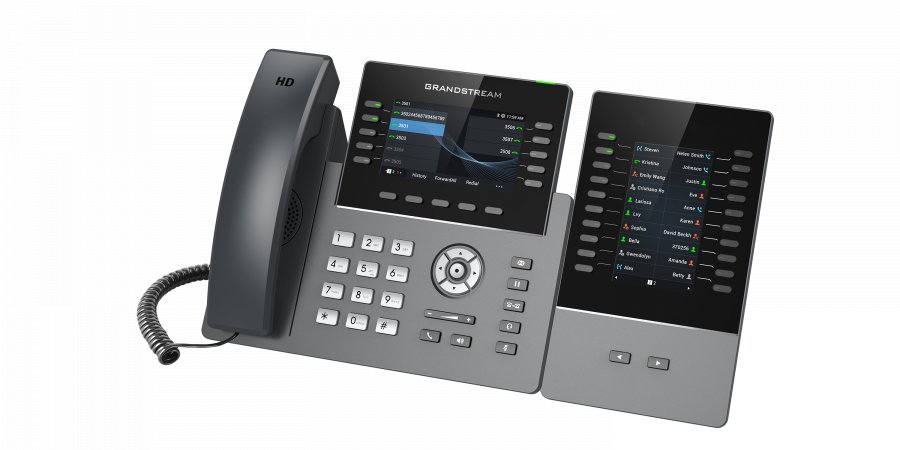
Devices like those from Grandstream exemplify how customization can be integrated into everyday communication. Their IP phones and deployment platforms are designed to meet diverse needs—ranging from small teams to large enterprises. Features such as cloud provisioning and centralized management make setup and ongoing maintenance straightforward, even in complex networks. This ease of deployment means businesses can implement tailored telephony solutions faster, with minimal disruptions and maximum reliability.
Ultimately, customizable telephony transforms communication from a basic utility into a strategic asset. It enables organizations to build smarter, more responsive networks that support growth, collaboration, and operational excellence. As technology continues to advance, these solutions will become even more integrated and adaptable, helping businesses stay competitive in an increasingly connected world. Embracing this level of customization is about more than hardware; it’s about reimagining how organizations connect, operate, and succeed.
Master the Foundations: Telephony Systems, Network Integration, and Device Management
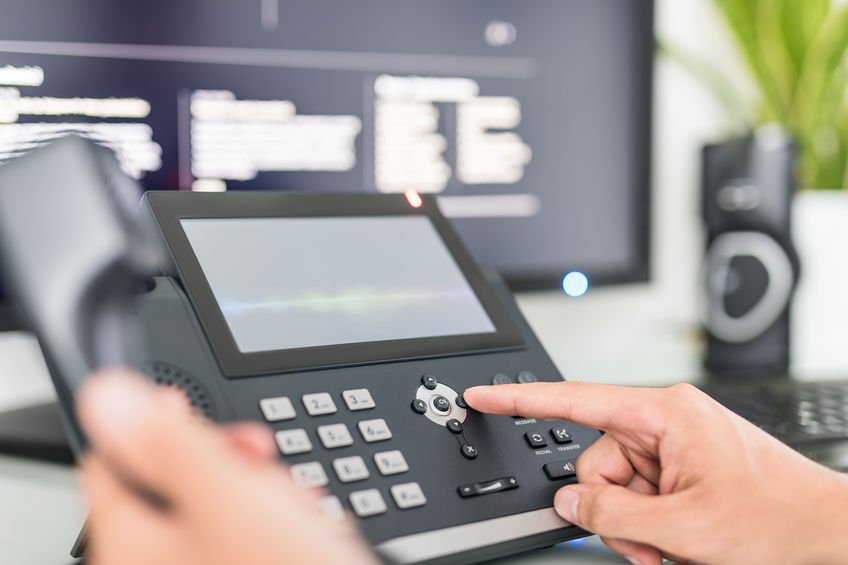
Modern telephony systems have evolved significantly from the traditional landlines of the past. Today’s organizations primarily rely on IP-based systems that transmit voice and multimedia data over the internet, offering greater flexibility, lower costs, and easier scalability. This shift to Voice over Internet Protocol (VoIP) technology allows businesses to rapidly adapt their communication infrastructure without the need for extensive hardware changes. Understanding the fundamental differences between traditional and IP telephony helps organizations make smarter decisions when upgrading or building their networks.
At the core of these advanced systems is seamless network integration. Connecting telephony devices smoothly with existing infrastructure is essential for maintaining high-quality communication. Properly configuring routers, switches, and firewalls ensures that voice traffic receives priority, preventing disruptions during busy periods. Streamlining this setup not only enhances user experience but also simplifies ongoing management, allowing IT teams to monitor performance and troubleshoot issues efficiently.
Device management plays a crucial role in ensuring a reliable telephony environment. Once the network is in place, organizations need effective ways to configure, provision, and update their endpoints—such as IP phones and softphones. Centralized management platforms, like Grandstream’s GDMS, enable remote setup and real-time monitoring across large deployments. This approach reduces manual effort, accelerates deployment, and ensures consistency and security across all devices, whether they’re in a single location or spread across multiple sites.
Protocols such as SIP (Session Initiation Protocol) and RTP (Real-time Transport Protocol) underpin IP telephony systems. SIP manages call setup, routing, and termination, enabling devices to establish sessions dynamically. RTP handles the transmission of voice data, ensuring clear and synchronized audio during calls. These protocols provide the backbone for flexible, scalable networks capable of supporting everything from small teams to enterprise-wide deployments, with interoperability that allows integration of diverse devices and services.
As digital technology advances, telephony architecture becomes more adaptable. Small organizations often deploy straightforward VoIP solutions that deliver essential features at minimal cost, while larger enterprises utilize sophisticated, cloud-managed platforms for centralized control. Hybrid models, combining on-premises hardware with cloud services, are increasingly common. They offer a balance of security, control, and flexibility—allowing organizations to tailor their communication networks to current needs and future growth.
Security remains a critical concern in modern telephony. Encryption, secure boot processes, and regular firmware updates help protect conversations and organizational data from cyber threats. Implementing Quality of Service (QoS) ensures voice traffic has the necessary bandwidth, maintaining high call quality even during peak network usage. These measures create a resilient environment, safeguarding sensitive communication and maintaining operational continuity.
Having a solid grasp of these foundational concepts is essential for organizations looking to maximize the benefits of customizable telephony. A clear understanding of network integration, device management, and protocol operation lays the groundwork for deploying smarter, more reliable communication systems. This knowledge enables businesses to build adaptable networks that support seamless, high-quality interactions, positioning them for ongoing success in a connected world.
Explore the Current Landscape: From Traditional Landlines to Unified, Cloud-Connected Solutions
The landscape of telephony solutions has shifted dramatically as modern networks have become more sophisticated and integrated. Traditional landline systems, which once served as the backbone of business communication, are now often replaced or complemented by IP-based solutions that leverage the internet to transmit voice, video, and multimedia data. This transition has lowered costs, increased scalability, and enabled faster deployment, allowing organizations to adapt their communication infrastructure with greater agility. Instead of costly hardware overhauls, businesses can now implement flexible, cloud-managed platforms that grow alongside their needs.
Today’s telephony environments emphasize unified communications, where voice, messaging, video conferencing, and collaboration tools are seamlessly connected on a single platform. This integration allows employees to switch effortlessly between different channels—whether they’re on a desk phone, mobile device, or computer—enhancing responsiveness and productivity. Mobile integration, in particular, supports remote and hybrid work models, helping teams stay connected regardless of location and ensuring business continuity in an increasingly distributed world.
Most organizations now rely on centralized PBX systems—either on-premises or cloud-based—that support protocols like SIP, which manage call routing and feature delivery efficiently. These systems are complemented by network devices such as routers, switches, and firewalls optimized for voice traffic, which help maintain high call quality during peak periods. Features like Quality of Service (QoS) prioritize voice data, preventing disruptions, while security measures such as encryption and secure boot guard conversations against cyber threats. This combination creates reliable, secure communication channels capable of supporting multiple locations and diverse organizational needs.
The rise of cloud-managed telephony solutions has further transformed the landscape by simplifying deployment and ongoing management. Businesses can add users, expand to new sites, or adjust features almost instantly—without waiting for hardware installations or complex configurations. Cloud platforms also enable real-time monitoring, analytics, and remote control, giving IT teams better oversight and faster response times. This flexibility helps organizations respond quickly to market shifts and operational demands, maintaining a competitive edge in a fast-changing environment.
Device customization has become a key focus as well. From cost-effective IP phones for small teams to advanced models with video, multiple lines, and wireless capabilities, organizations can tailor their hardware to specific roles. Centralized management tools streamline provisioning, firmware updates, and device monitoring, whether devices are deployed locally or across multiple locations. This ensures that telephony hardware remains aligned with organizational workflows, security standards, and growth strategies—supporting a resilient and adaptable communication network that can scale with the business.

Grandstream Leading the Charge: Seamless, Secure, and Adaptable Telephony Integration
Grandstream’s devices stand at the forefront of transforming how organizations implement and manage customizable telephony solutions. Their IP phones and communication platforms are designed with flexibility in mind, supporting a broad range of features that can be tailored to meet specific business needs. Whether deploying in a small office or a large enterprise, these devices seamlessly integrate into existing network infrastructures, reducing setup time and minimizing operational disruptions.
A key advantage of Grandstream’s approach is their support for centralized management through tools like the Grandstream Device Management System (GDMS). This platform enables IT teams to remotely configure, provision, and monitor thousands of devices from a single dashboard. Such centralized control simplifies mass deployments, ensures consistency across multiple locations, and enhances security protocols—all without the need for manual adjustments on individual units. This level of efficiency accelerates deployment cycles and eases ongoing maintenance.
Designed for performance and security, Grandstream devices come equipped with features that prioritize voice quality and protect organizational data. Built-in Quality of Service (QoS) capabilities ensure voice traffic gets the necessary bandwidth, maintaining clear, uninterrupted calls even during peak network usage. Security measures such as encrypted communication channels and secure boot processes guard against cyber threats, safeguarding sensitive conversations and organizational information. Together, these features create a reliable, resilient telephony environment capable of supporting complex, distributed networks.
Device flexibility supports organizations of all sizes and operational models. Small teams benefit from cost-effective models that deliver high-definition audio and dependable connectivity, while larger enterprises can leverage advanced devices equipped with multiple lines, video capabilities, and wireless options like Bluetooth and Wi-Fi. This scalability ensures that the telephony infrastructure can grow in tandem with organizational needs, providing a future-proof foundation for unified communication.
Personalization extends beyond hardware features. Grandstream’s solutions enable organizations to tailor call routing, user interfaces, and digital integrations to align with specific workflows. Customer support teams, for instance, can prioritize quick contact access and call queue management, while sales teams might focus on contact lists and call forwarding. This customization boosts user efficiency, reduces frustration, and promotes quicker adoption, turning telephony systems into strategic tools rather than mere utilities.
Cloud management further enhances flexibility and control. With cloud-enabled devices, administrators can remotely provision new phones, apply firmware updates, and monitor system health in real time. This capability minimizes manual effort, reduces operational costs, and significantly cuts downtime. Automated updates keep devices secure and feature-rich, ensuring communication channels remain current without interrupting daily workflows.
The integration of these features creates a comprehensive, adaptable telephony environment that supports rapid deployment and ongoing management. Grandstream’s solutions enable organizations to respond swiftly to changing operational demands, scale effortlessly, and maintain high standards of security and performance. By leveraging their devices, businesses can build smarter networks that adapt dynamically to growth and innovation.
In essence, Grandstream empowers organizations to embed customization at the core of their communication infrastructure. Their devices and management tools facilitate a seamless, secure, and scalable transition toward smarter, more efficient networks. This approach transforms telephony from a basic utility into a strategic asset—one that enhances collaboration, drives productivity, and supports long-term growth in a connected world.